
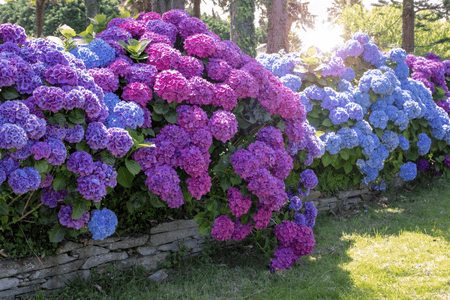
Deer can do a lot of damage to home gardens. They often eat plants at night and leave them bare by morning. One of the best ways to protect your landscape naturally without using fences, sprays or chemicals is to choose Deer resistant plants. These plants add beauty, texture and structure to outdoor spaces while also making it less likely that animals will eat them.
This guide tells you how to choose the right deer resistant perennial plants for your garden, how to plant them and how to take care of them so they grow well. With help from TN Nursery, you'll learn how to make a beautiful, strong garden with deer resistant plants for gardens that are easy for beginners to grow.

Understanding the Importance of Deer Resistant Plants
Deer are opportunistic eaters, which means they will eat whatever they can find. This is especially true in rural and suburban areas where there aren't many natural food sources. Deer resistant plants are less appealing to deer because of their texture, scent or taste. No plant is completely deer-proof. This natural resistance stops damage from happening over and over again and helps gardens grow.
TN Nursery carefully chooses plants based on how well they last and how well they do in real landscapes. Many types of deer-resistant plants also help keep their roots healthy, so they can bounce back quickly even if they are lightly browsed.
Some benefits of using deer-resistant plants are:
- Less need for fencing or repellents
- Healthier soil supported by soil organisms
- Long-term stability in the garden
- Lower costs for replacing or losing plants
For homeowners who want deer resistant plants for gardens, choosing the right plants is the best way to do it.
Choosing the Right Deer Resistant Plants for Your Garden
To choose the right plants, you first need to know how much light, water and soil your garden has. Many deer resistant perennial plants do well in shade, partial sun or wet soil, which makes them good for a wide range of landscapes.
TN Nursery experts say that deer are less likely to eat plants with tough leaves, strong smells or natural chemicals that deer don't like. These plants also do well in native soils and help keep a wide range of microbes alive, which is good for the health of all the plants.
Some plants that deer won't eat are:
-
Bulrush Plugs for wet or low-lying areas
-
Carex Pensylvanica for shaded, woodland-style gardens
-
Solomon’s Seal for planting along the edges of woods and in the understory
These types of shade perennials are often very effective and easy to care for for gardeners who want plants that won't attract deer.
Planting and Care Tips for Deer Resistant Plants
Plants that are resistant to deer grow quickly and stay healthy when they are planted correctly. Plants with strong roots can handle drought better and bounce back from stress in the environment faster.
TN Nursery says that preparing the soil is important for long-term success. Organic matter-rich soil that is healthy helps good soil organisms and holds moisture better.
Here are some helpful tips for planting and taking care of plants:
- To keep roots healthy, plant at the right depth
- To help drainage, mix native soil with compost
- Water deeply during the first growing season
Mulching helps keep the soil at a steady temperature, keeps weeds from growing and encourages a wide range of microbes. After they are established, most deer-resistant plants don't need much care.
Low Maintenance Options for Busy Gardeners
Many homeowners choose low maintenance deer resistant plants because they work well and don't need a lot of care. These plants usually grow steadily, don't get pests and don't need to be pruned or fertilized very often.
There are a lot of choices at TN Nursery that are great for busy gardeners:
-
Hairy Buttercup for covering the ground and protecting the soil
- Ranunculus Repens for keeping moisture in and stopping erosion
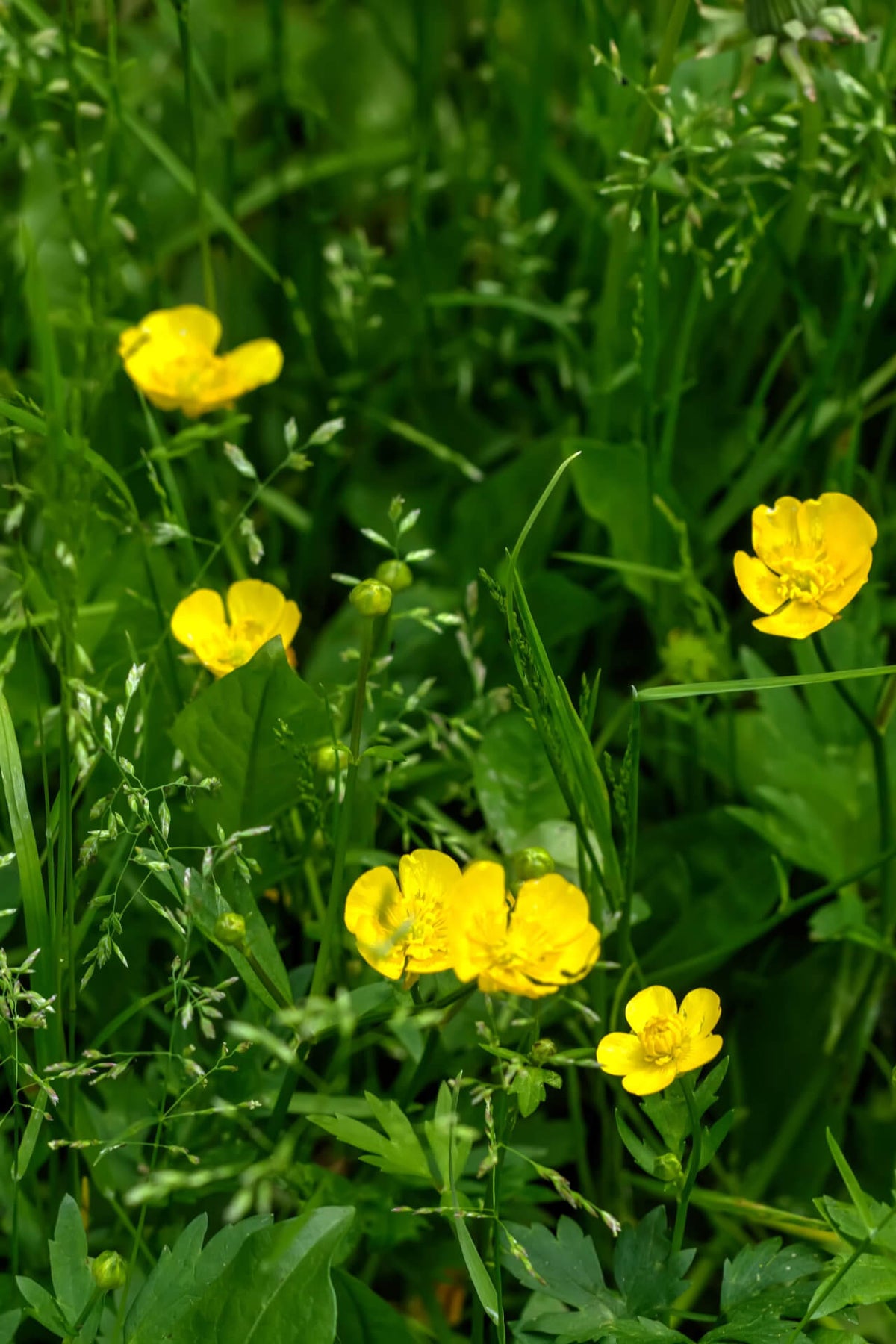
Because they are both durable and attractive, these plants are often on lists of the best deer resistant perennials. They are great for beginner gardeners because they can grow well with little help.
Step-by-Step Guide to Planting Deer Resistant Perennial Plants
If you want your garden to do well for a long time, you need to learn how to plant deer resistant perennial plants the right way. Using the right planting methods lowers stress and helps roots grow deeper.
These steps are easy for beginners to follow:
- Dig a hole that is twice as wide as the root ball
- Put the plant in the hole so that the crown is level with the soil
- Fill the hole back up with soil mixed with compost
After planting water the area well to get rid of air pockets and settle the soil around the roots. Use mulch to keep organic matter safe and cut down on evaporation.
Putting plants in groups also keeps deer away because they don't like to eat plants that are close together as this method makes roots healthier and makes garden design better.
Creating Deer-Resistant Garden Designs
If you plan your garden carefully, you can keep deer from doing even more damage. Combining different textures, heights and types of plants makes things look more interesting and keeps people from looking around. Deer like plants that are easy to get to and that they know, so varied plantings are less appealing.
TN Nursery suggests the following design strategies:
- Planting deer-resistant plants along the edges
- Combining perennials with grasses and groundcovers
- Not planting plants in groups that are too far apart
Well-planned gardens also help soil organisms and keep moisture in, which helps plants grow naturally. The Penn State Extension has reliable, science-based gardening resources that can help you learn more about how deer act and how plants can resist them.
Conclusion
Choosing Deer resistant plants is one of the best ways to keep gardens safe and beautiful at the same time. Gardeners can have colorful landscapes without having to deal with deer damage all the time if they choose the right plants, plant them the right way and plan their gardens carefully.
TN Nursery has beginner friendly plants like Bulrush Plugs, Hairy Buttercup, Carex Pensylvanica, Ranunculus Repens and Solomon's Seal. Homeowners can make gardens that last for years with little upkeep by planting with confidence and caring for them with care.
FAQs
What is the most deer-resistant plant?
Some of the best plants to keep deer away are those with strong scents or tough leaves, like sedges and woodland perennials.
Are these plants safe for pets and wildlife?
Most plants that deer don't like help the environment, but you should always check to make sure they are safe for pets.
Can TN Nursery ship deer resistant plants safely?
Yes, TN Nursery ships plants carefully so that they arrive healthy and can be planted successfully.
Which deer resistant shrubs are best for privacy hedges?
For natural screening, thick, textured shrubs that aren't very tasty are best.
Do deer resistant plants require less maintenance than regular plants?
A lot of them do, especially low maintenance deer resistant plants are suited to the area.
What plants keep deer away from the garden?
The best combination is a mix of grasses, groundcovers and perennials that deer won't eat.
How do I keep deer out of my plants?
Pick plants that deer don't like, plant them close together and stay away from plants that deer do like.


