
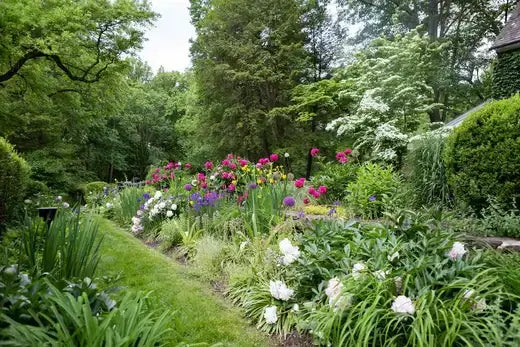
Creating a Monarch Butterfly Garden That Actually Works
For a monarch-friendly garden‚ all you need is two things most people get backwards: a good supply of milkweed for the caterpillars‚ and a continually replenished supply of nectar plants for the adults․ If you have one but not the other‚ you won't have butterflies breeding in your garden․ Get both right‚ and you'll have transformed a small Tennessee backyard into a true waystation for one of the continent's longest insect migrations․
Tennessee lies in the migratory flyway used by monarchs as they migrate both north in spring‚ and south in fall․ Timing when the plants bloom may be more important․ The monarchs you see in Tennessee in April and May are passing through from the south․ They pass through again in late August through October on their way to their overwintering monarch forests in Mexico․ Does your garden supply food for them at both times of year? Or is your huge summer garden long gone when the fall migrants arrive?
Milkweed Isn't Optional
Monarchs only lay on Asclepias species‚ and monarch caterpillars only eat them․ No milkweed‚ no next generation‚ full stop․ This is the one thing you cannot replace with some substitute that is just as good․
Common milkweed (Asclepias syriaca) and butterfly milkweed (Asclepias tuberosa) both grow well in USDA Hardiness zones 6b-7b‚ covering most of the state of Tennessee․ Butterfly milkweed is a better choice for a small garden as it grows to a height of only 1-2 feet and has bright orange clusters of flowers that bloom for a few weeks in early summer․ Common milkweed spreads aggressively via underground rhizomes․ It should be given its own bed‚ or else it may take over your entire yard in two or three seasons․
Swamp milkweed (Asclepias incarnata) can be a good addition for a wet low spot in the yard․ It is more tolerant of heavy clay soil and blooms slightly later‚ extending the time the butterflies have a place to lay their eggs to midsummer․
Plant the milkweed in sunny areas‚ and do not prune it back if it starts looking ragged as a result of the caterpillars stripping it of its leaves․ This is the plant doing its job․ Usually‚ the new growth returns a couple weeks later․
Nectar Plants for the Adults
Milkweed is the only food of the larvae‚ but adult monarchs feed on nectar and need a variety of flowering plants in their habitat․
Zinnias are a good choice‚ since they are cheap and easy to start from seed and will bloom from early summer straight through the first frost if deadheaded regularly․ For the best shot at attracting monarchs‚ choose single or double-flowered varieties of orange‚ red or yellow flowers; the fully double cactus types are harder for them to access․
One perennial that tolerates Tennessee's heat and humidity in summer is purple coneflower (Echinacea purpurea)‚ which blooms in June and produces flowers throughout the next eight to ten weeks․ Established clumps get better every year‚ and need almost no maintenance other than occasional spring division․
The Black-eyed Susan (Rudbeckia hirta) fills the same midsummer gap‚ and seeds itself profusely‚ so that a small patch will fill the bed in two years․ It tolerates poor soils better than most of the nectar plants in this list‚ and may be particularly useful where heavy clay soil is a problem‚ as in much of Middle Tennessee․
If you seek late season nectar‚ there are none better than the three liatris․ Blazing star‚ for instance‚ sends up tall purple spikes in August that seem irresistible to monarchs․ It tolerates both drought and occasional wet feet․ That matches well an environment in a state where summer rains vary sporadically‚ and as Liatris is fading away‚ the purple or pink blooms of New England aster arrive‚ peaking almost precisely on the state's peak fall migration․ Goldenrod is another plant that provides the final bursts of fall; often blamed for causing fall allergies (that would be the other plant that blooms at the same time‚ ragweed)‚ it is one of the last major sources for nectar before frost․
Joe-Pye weed and verbena are worth a place as well‚ if you have the room for them․ Joe-Pye weed can grow four to six feet high and can be used for a background plant․ Verbena bonariensis is airy and won't overwhelm whatever is planted with it‚ and it bears flowers from June until frost․
Laying Out the Garden
If possible‚ plant several patches of 3 to 5 plants or more each‚ rather than individual plants scattered throughout the flower bed․ Female monarchs tend to find larger patches of host plant more easily‚ and you can better monitor for their eggs or caterpillars if clustered in one area․
Nectar flowers should be planted in patches‚ not mixed one-for-one with milkweed․ Monarchs need consolidated patches of flowers that they can easily warm up and feed in‚ and a mixture of plant types in a random pattern doesn't seem to provide that․
Almost all of these plants require full sun (at least six hours of direct sun each day)․ If your yard is partially shaded‚ plant the milkweed and coneflowers in the best sun‚ and move the asters and Joe-Pye weed‚ which will tolerate a little more shade‚ into the shady corners․
Do not use pesticides in and around this garden‚ even so-called organic pesticides such as pyrethrin‚ which kill caterpillars as surely as synthetic ones do․ If there are aphids on your milkweed‚ a blast of water from the hose will take care of almost any infestation without harming eggs or larvae․
Realistic Timelines
However‚ it may take a whole growing season for milkweed plants to develop a good root system from starter plants before they will attract monarchs in abundance․ It may take two or three seasons before you'll see a lot of egg-laying․ Like other native perennial nectar plants such as coneflower and aster‚ first-year plants are scrawny compared to second-year ones․
TN Nursery sells established milkweed‚ coneflower‚ and aster for planting in a Tennessee garden․ These plants have already produced a root system without the need to plant seeds and wait for them to grow‚ so you will enjoy blooms much sooner‚ and these plants stand a better chance of helping the monarchs in their first year․
After that‚ the garden requires only deadheading the zinnias and the verbena every couple of weeks‚ cutting down the perennials in the spring and allowing the milkweed to reseed on its own or creep where it will․ The result is a garden doing relatively little more than conservation work for a species that has plummeted in numbers over the past 20 years and‚ as it happens‚ looks spectacular from June to October․
"

