
The Complete Guide to Dividing and Propagating Perennial Plants
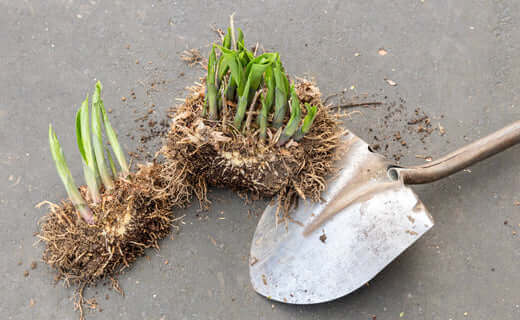
Dividing perennials is simply digging up an established clump‚ dividing it into smaller clumps with roots and shoots‚ and replanting them elsewhere․ Most perennials need to be divided every 3-5 years whether you want more plants or not because they become crowded and bloom poorly over time‚ often dying out in the middle․ Do it right and you'll turn one tired‚ weak hosta into four or five free‚ vigorous new ones․
Here in Tennessee‚ we mainly operate in USDA zones 6b through 7b which gives us a longer window to divide than those to the north of us; however‚ we do have to be a little more careful of summer heat․ Timing is more important than most guides imply‚ so let's take a deeper look․
Gather What You'll Need in Advance
Here's where your advance planning pays off․ Get your sharp spade or garden fork‚ hori-hori knife or garden knife‚ clean pruning shears‚ tarp or wheelbarrow for hauling divisions‚ a few buckets with a couple inches of water in the bottom‚ your compost or good quality potting soil‚ and plant labels (you don't think labeling is trivial until you've got eight unlabeled divisions and no idea which pile is which)․
One thing to mention is to keep a bucket of diluted bleach water (1 part bleach to 9 parts water) nearby and to dip your blade in it between cuts‚ particularly when you are cutting anything which has signs of rot or disease‚ which is how one sick plant infects your whole perennial bed․
Timing for Tennessee Conditions
Spring and fall are the rule‚ though the planet's climate shifts the best windows ever so slightly from the usual․
Hostas: Every 3 to 4 years‚ in early spring when new growth is 2 to 4 inches tall (approximately the end of March or early April in Middle Tennessee)‚ or in early autumn 6 weeks before the first frost date (approximately mid-September in Zone 7a)․
Red Hot Pokers (Kniphofia) - Spring is far better than fall․ Winters can bring a surprise hard freeze and freshly divided Kniphofia hasn't had enough time to put roots down deep enough to survive one․ Divide immediately after threat of frost and before flower spikes appear․
Bearded Iris - Late summer‚ 4-6 weeks after bloom is finished (in our area‚ usually in late July through August)․ The irises' rhizomes need warm soil to heal and re-establish themselves before going dormant for winter․ If you divide too late you run the risk of rot and a wet Tennessee winter․
Daylilies - Extremely forgiving․ Spring is good‚ or late summer․ To be honest‚ established daylilies can be divided almost any time except in the heat of mid-summer if you keep them well watered afterward․
Phlox: early spring or early fall․ Humidity levels in the Southeastern United States make phlox susceptible to powdery mildew‚ so phlox divisions should be planted far enough apart to prevent crowding․
Blanket Flower (Gaillardia) - Spring is the preferable time in this region․ These are short-lived perennials to begin with and dividing them in fall‚ just before winter‚ can be too much of a stress on them‚ especially in clay soil that retains winter moisture․
Preparing the Plant
Water well one or two days before dividing: dry soil crumbles and tears the roots‚ while moist soil stays intact․ Trim back leaves to 4-6 inches to reveal the underlying crown structure and reduce moisture loss during transplant shock․
Digging and Dividing
Dig a wide circle around the plant beyond the drip line of the foliage‚ and dig deeply; most perennial root systems extend further than people expect․ Lever the whole clump out in one piece rather than trying to divide in the ground․
Once the tree is out‚ shake and hose off the excess soil to reveal the root ball‚ and then:
- Hostas: divisions can be made with a knife or separated by hand at natural breaks; try to keep at least 2 or 3 eyes and a good amount of roots with each division․ - Kniphofia: The crowns are tough and solid․ Cut straight through with a spade or knife to make separate plants‚ with their own roots and crown sections․ - Iris: Snap or cut rhizomes apart‚ remove soft‚ hollow or foul-smelling ones damaged by iris borer‚ and trim leaf fans to 15-cm (6-in) high․ - Daylilies: Daylilies may be separated by hand if possible‚ but if not a knife may be used to separate stubborn clumps․ Each division should have at least one fan with roots․ - Phlox: Gently pull apart or cut and keep 3-4 stems per division․ - Gaillardia: Separate along natural divisions‚ discarding the woody‚ unproductive center that older clumps will develop․
Replanting Divisions
Plant the division in the soil on the same day that it is lifted if at all possible‚ since the roots dry out quickly․ Our clay soils dry out faster than loamy soils once they are exposed to the air and sun․ Add in some compost to the planting hole mix‚ and plant the division at the same depth that it was growing․ (The exception is iris rhizomes which are planted as shallow as possible with the top just barely exposed․) Backfill and water well immediately after planting․
If you are not ready to plant the division in its permanent location yet‚ keep it in a pot with a well-drained potting soil and in shade for a week or two before planting it․ If you want to fill in the hole now TN Nursery has healthy nursery-grown hostas‚ daylilies and iris that will grow in your garden quickly and easily‚ alongside the divisions of your plants for a more complete bed sooner than just propagation alone will provide․
Aftercare That Actually Matters
Water newly divided perennials regularly enough to keep the soil evenly moist for the first 3 to 4 weeks․ Do not allow soil to dry out or become soggy․ Fertilizer is not necessary for the first month of growth‚ because stressed roots do not take it up‚ and too much nitrogen causes soft new growth that is prone to infection․ Light mulching (2 inches deep‚ and not touching the crown) helps support the plant by moderating soil temperature and moisture‚ without smothering new growth․
There may be a delay in the first bloom season‚ or none at all‚ as divisions may not flower‚ or only produce a few flowers‚ in the season after they are divided․ That's normal; by the second year‚ you will see plenty of strong blooms‚ usually more than the original overcrowded clump ever produced․


