
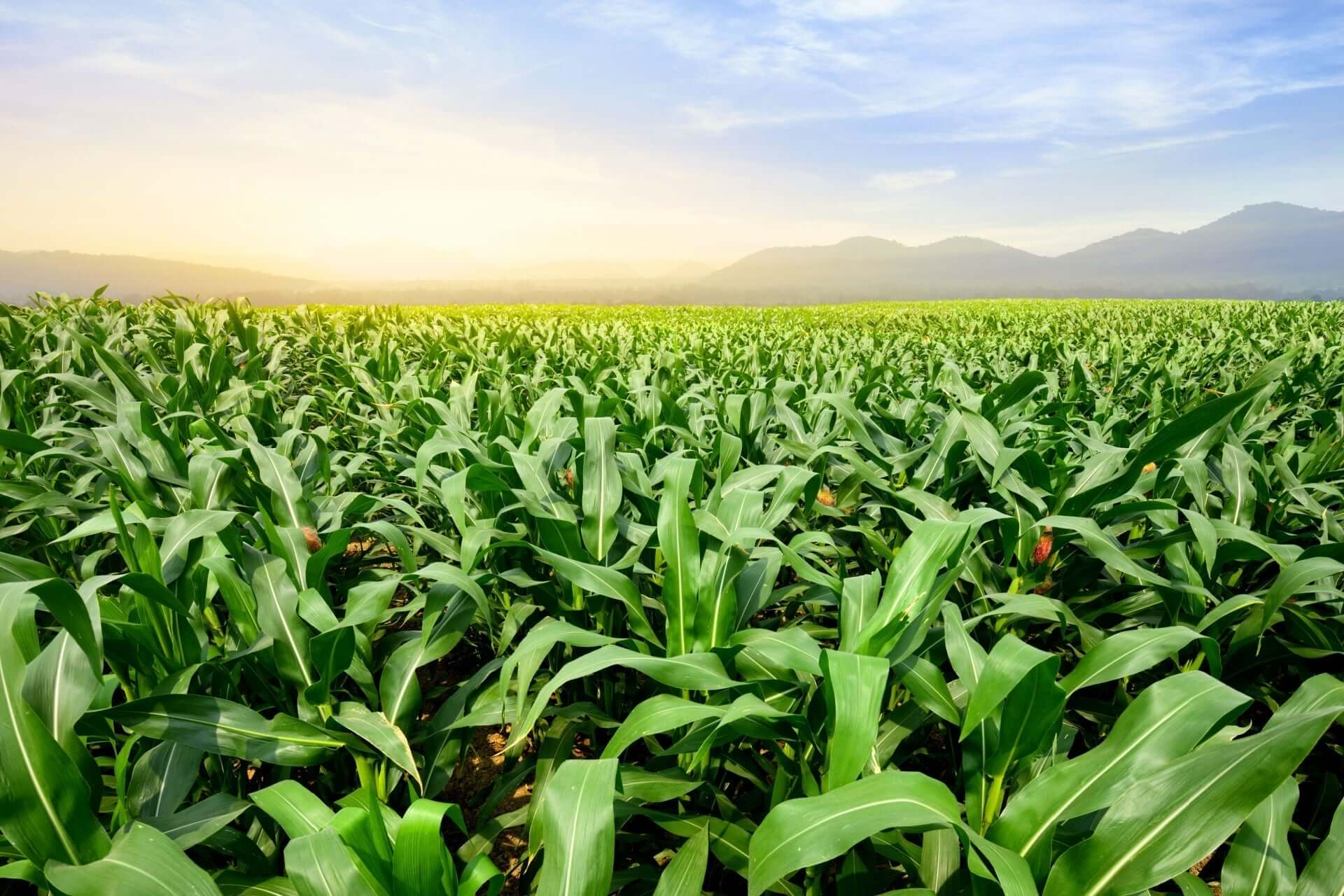
The practical routines of early settlers have given way to the artistic, expressive landscapes of modern gardening. Colonial families used gardens for food, medicine and survival, creating ordered patterns and rudimentary equipment. Modern plants, equipment, and design concepts merged with these old ways throughout the decades.
Colonial GardeningThis guide examines the evolution of gardens, cultural influences and the role of timeless plants like Thuidium Moss, Fern Moss, and Cushion Moss in honouring the past and embracing the present. Even with contemporary convenience, many gardeners appreciate colonial gardens.
How Colonial Gardening Shaped Early American Landscapes
Colonial gardens were developed to help people stay alive and had an effect on early American landscapes. Families placed little fruit trees, herbs, and vegetables close to their homes so they could collect them during the day. The neat patterns and clear borders of this practical design had an effect on colonial-style gardening.
These early landscapes were impacted by European and Native American cultures. Settlers rapidly discovered which native plants could survive the environment and many of these selections are still useful to gardeners. Thuidium Moss and Fern Moss, located surrounding early villages, softened the route and shadowed the area margins, making them part of the historical outdoor environment.
Colonial gardens emphasised utility, but their organised patterns influenced subsequent ornamental styles.
Key Colonial Planting Methods That Influenced Modern Gardens
-
Personal Guide
- Crop rotation was an essential component of colonial planting methods, safeguarding soil health in ways still used in modern gardening to control pests and increase long-term yields.
- Early colonial style landscaping was influenced by geometric garden plans, and clean, structured beds are still a result of this organised approach in modern garden design.
-
Native plants were very important to colonial gardeners. Today, species like Thuidium Moss help gardeners create natural, low-maintenance areas that look like they did in the past.
- In the colonial era, kitchen and medicinal herb gardens were very important. Today, farmers still grow herbs for food, health, and to keep their yards green.
- Natural ground covers were popular around colonial homes, and soft plants like Fern Moss still create cool, shady paths in many modern gardens.
- In the colonies, people improved the soil by composting their waste. This is still an important part of modern garden design and helps both veggies and ornamentals grow well.
-
Cushion Moss grew in wet, shady spots in colonial yards. This plant is now used on purpose to add soft texture and a classic, natural look.
The Transition Period- Industrial Age to Early Modern Gardening
During the Industrial Age, as technology improved, farming went from being a way to survive to a way to show yourself. This gave people many more options than the first settlers had, leading to creative layouts, curvy paths and artistic borders.
With the change came new tools and easier access to ways to improve the land. Because of these improvements, gardens became more decorative, showcasing personal taste rather than basic needs. It was during this time that modern garden design began, where style became just as important as usefulness.
Each new style had its own natural touches that were still important. There were lots of them in quiet spots and along stone walls. They connected the ordered beauty of the past with the more delicate shapes of nature. We now value both beauty and being in balance with nature. This mix was the first step towards that way of thought.
Modern Gardening Innovations Inspired by the Past
Perennials
The lessons we learnt in the past have a lot to do with the innovations we use today. Many farmers use raised beds, compost piles, and local plants, all methods early settlers used in lesser form. These older ideas help make plants that last while still leaving room for new ideas.
We can see this in the way moss is used in modern landscaping. People like to put Thuidium Moss in nature gardens because it stays green all year and grows well in shade. Cushion moss looks great in rock gardens and quiet places to meditate. Fern moss, on the other hand, gives shady walks a thick, forest-like look. These plants will always look good and help connect classic settings with new outdoor spaces.
Landscapes today honour old ways of doing things while also adding new styles and features. Like the grounds that ringed a historic modern plantation home or country house, this combination makes modern gardening both useful and exciting.
Comparing Colonial and Modern Gardening Styles
Colonial gardens and modern gardens have some things in common, but each age shows its own personality. These are the important things that are different and the same.
-
In the colonies, gardens were planted to help people survive. Today, gardens are often designed to be beautiful, comfortable, and creative.
- Colonial yards were neat and geometrically laid out, but gardens today can be wild, organised, or a mix of the two.
- Gardeners in the past had to use whatever natural plants were nearby. These days, gardeners can get plants from all over the world.
- In colonial gardens, simple tools were used by hand. Today, gardeners have access to more advanced tools and soil technologies.
- Thuidium moss and Fern moss are examples of soft plants that are common in both colonial and modern settings. They are used in modern designs to add depth and durability.
- Using flowers, changing crops and keeping garden beds neat are all classic ideas that can still be used in modern outdoor areas.
Conclusion
Gardening has changed over time from the practical tasks early people performed to the artistic displays we see today. In colonial gardening, it was an important job that turned into a fun hobby full of style, colour and personal satisfaction. Even so, many old methods, natural materials and plants that will never go out of style, like Thuidium Moss, Fern Moss and Cushion Moss, still have a big impact on modern gardening.
Gardeners can make outdoor areas that feel both old and new by paying tribute to the past and accepting new technology.
FAQ
What were colonial gardening methods?
Some of them were food rotation, planting herbs, using local plants and keeping kitchen gardens neat and organised with survival in mind.
How did gardening evolve over time?
Because of new tools, global plants and changing lives, gardening has changed from growing for function and necessity to designing landscapes for fun and beauty.
What plants were commonly used in colonial gardens?
In the colonies, farmers grew fruits, veggies, herbs, native bushes and plants that grew naturally in damp or shady places.
How does modern gardening differ from traditional gardening?
Traditional gardening was mostly about food and purpose, while modern gardening is more about decorating, living outside and growing a wider range of plants.
Which historic gardening techniques still work today?
Many gardeners still find that crop rotation, composting, raised beds and using natural plants are good ways to improve their yards.
How can beginners blend colonial and modern garden styles?
Structured paths, simple geometric patterns, moss ground covers and native plants should all be used. They should be mixed with modern lighting, comfortable seats and new design elements.
