
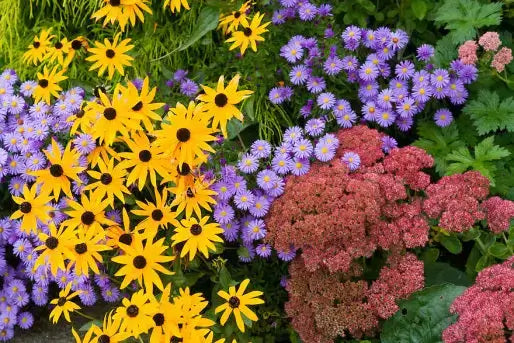
Choosing the right perennials for your garden can be an adventure․ It can take some time to find just the right plants for your garden‚ but once you have them they will return year after year‚ bringing you much joy․ Choosing the right perennial varieties for your garden is about more than just finding attractive flowering plants․ You also need to consider everything else about your garden‚ because just as no two gardens are alike‚ neither are the perennial plants that will thrive in them․ If you learn what suits your favorites and plan around soil and sun/shade requirements‚ you will find that you have year-round sensory pleasure in your garden․
Planting
The type of soil in your perennial garden site is the first factor to consider․ Each perennial plant has its own preferences for soil texture‚ composition‚ and pH (acidity versus alkalinity) so keep that in mind․ For example‚ while some perennials thrive in dry‚ sandy soil‚ others need more loamy soil to retain some moisture․ A simple soil test can give a general idea of the soil's pH and nutrient levels‚ which can help in selecting the right plants for a garden․ You may also want to amend the soil with compost‚ peat or other substances to provide the best soil and nutrients available for your plants․ The root of the plant is the most important aspect to proper growth and beautiful blooming plants‚ so you will want to use the best soil possible․
Sunlight
Perennial choice can be influenced by the light level and duration‚ as well as soil․ Some perennials need full sun and the warmth and bright light that comes with it most of the day‚ while others might be content with partial sun or shade and dappled sun under another plant․ Before deciding where to plant your perennials' flowerbeds‚ consider how much sunlight (or shade) the area will receive․ For example‚ a flowerbed that gets plenty of sunlight may be best for sun-lovers like daylilies and coneflowers‚ whereas you may prefer ferns and hostas for a shaded area․ The best way to understand what your plants' light needs are is to watch the movement of the sun through the garden throughout the day․
Watering
Other things to consider when deciding how much to water your garden include the weather in your area and the needs of the perennials you chose․ Depending on the type of perennial‚ some can go long lengths of time with little to no watering while others may need frequent watering․ Watering can be done in different intervals and quantities․ Deep and infrequent watering is usually better than daily light watering․ Look to how much rain you are likely to receive each season‚ and the temperature range to help you decide when and how much to water․ Developing a grouping of plants with similar water requirements creates a more sustainable garden than a garden that needs constant irrigation․
Because many perennials are seasonal‚ bloom time and dormancy also change based on the season and may vary throughout the year․ Knowing this information helps with the design of a garden in a way that provides color from spring until fall․ For much of the year‚ either crocus or daffodils are in bloom‚ the earliest in spring‚ marking the end of winter hibernation․ As additional examples‚ black-eyed Susans and peonies bloom during the summer months‚ while aster and chrysanthemum bloom during the fall months․ Plant a good mix of perennial flowers with staggered bloom times to provide color and fragrance for several months of the year‚ so that there is always something in flower․
Maintenance
Another consideration is maintenance‚ as some perennials once established will take care of themselves and require little attention․ They are usually a good choice for gardeners who have limited time available in which to maintain their garden or would just prefer to be able simply to enjoy their flower garden rather than spend all their time on it․ Certain plants may need regular deadheading‚ division‚ or other types of pruning․ Consider how much time and effort you're willing to spend before buying․ Allowing the perennials' requirements for care to match your lifestyle and comfort levels will enable you to enjoy gardening without frustration․
To sum up‚ your selection of perennials for your garden is determined by many factors‚ including what type of soil is in your garden‚ how much sunlight is available‚ how much you want to water the plants‚ bloom time‚ and care required․ The end result will be a garden that is beautiful‚ as well as low maintenance․ It is not just the flowers that make a garden beautiful‚ but the connection with nature that results from nurturing these individual plants․ Planning and preparing a perennial garden may yield a refuge of relaxation and beauty through the four seasons in the years to come․


