
Cattail Plants: Beautiful Beauty for Your Landscape
In wetlands, marshes, and ponds cattail plants are some of the most recognizable plants in the waters. For years, the slender shape and unique brown flower spikes have charmed and fascinated Homeowners and Naturalists, alike.
Gardeners and Landscaping professionals, use and implement cattails to embellish the water features and to construct vital natural shelters for the local wildlife. From your backyard, let us see how and for what purpose, these weeds play vital roles in the ecosystems and how you can integrate?
What Cattail Plants Are?
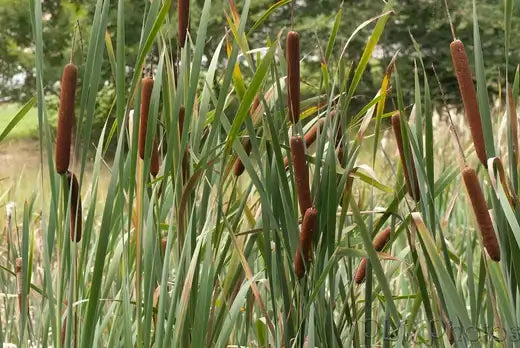
The Cattail plant is a perennial plant that is mostly found in wetlands. These wetlands can be found in marshes, roadside ditches, ponds, or the edges of lakes. Cattail plants have very long grass-like leaves that can nourish up to ten feet tall, but can be short as 5 feet tall. These plants are usually identifiable by the brown “corn dog” looking flower spikes, tall and brown in color.
These flower spikes appear between mid summer and the start of autumn and contain many small flowers that the plant needs to reproduce. Later in the autumn, the flower spikes explode, releasing fluffy seeds that the wind can carry to other areas.
Cattail plants can naturally be found and are able to grow in any part of North America. These plants are very adaptable and can even grow in hard to support climates from zone 3 to 10 USDA. Cattail plants do grow best in climates where their roots are under 1 to 3 feet of water and are able to get direct sunlight for most of the day.
Cattail plants are then able to colonize the soil and soil in the water as their underground reproductive stems (called rhizomes) spread out under soil. These plants grow in wetlands and are full of resilience and act very efficiently in the water.
The Boons of Cattail Plants
Cattail plants are true champions of wetland ecosystems. These plants are instrumental in forming habitats and feeding wildlife. They provide nesting areas for birds like ducks, red-winged blackbirds and marsh wrens. They build their nests in the cattail leaves. Muskrats, also mammals, build their lodges with cattail leaves and eat the starchy rhizomes. The shallow, cattail-covered areas of the wetland provide valuable shade and predator protection to fish, frogs and other amphibians.
Cattails also enhance water quality. They are natural water purifying plants. Cattails' root systems trap particulate sediments, and absorb excess nitrogen and phosphorus, which are nutrients for harmful algal blooms. Cattails also reduce erosion of shorelines.
Humans have found many uses for cattails throughout history. The uses are varied. Early settlers and Native Americans used the plants’ edible parts, and its parts for medicine and making other things. The young shoots, sometimes called "Cossack asparagus," are edible and good for eating if they are cooked. Cattails can have their pollen collected, and this pollen can be used as a protein and flour substitute. The leaves are strong and can be woven to make things like mats and baskets, and can even be used to make the seats of chairs.
How to Grow and Maintain Cattail Plants
Adding cattails is a great way to enhance the appearance and value of a garden pond or water feature. They have numerous environmental benefits as well. Here are a few tips for growing and maintaining cattails:
Pick a Good Site: Cattails like to be in the sun and need wet soil or shallow water. The best spots are the edges of ponds, rain gardens, or any boggy area that is like their natural habitat.
Planting: To put cattail rhizomes in water, it is best to put them in containers filled with water-based soil. Place the container underwater where the soil surface is submerged between 1 to 3 inches. When planting cattails in wet soil, place the rhizomes 1 to 2 inches deep and put them 2 feet apart because they get very big very fast.
Watering: If their roots are kept evenly moist, cattails take care of themselves. But make sure the soil or water in their surrounding stays filled because cattails will die if it gets too dry.
Controlling Growth: If cattails are left alone, they will keep spreading and take over a water area. To make sure they don’t spread too fast, cut the flower spikes off before the seeds develop. Every couple of years, weeding the rhizomes will help keep the size of the group of cattails under control.
Seasonal Care: During late fall or early winter, cut the leaves at the waterline so they are 6 inches long. This helps the cattails, because they will grow new healthy leaves in the spring.
Native Perennials for Your Cattails
Cattails are a focal point on their own, but it looks even better when paired with other native perennials. Mixing species adds diversity and interest to your water garden. Here are three desirable perennials great to pair with cattails.
Blue Lobelia
Stand out with one of a kind, tall flower spikes of blue that bloom late summer to early fall. Blue Lobelia grows best in moist soil in partial sunlight, so it's a perfect edge plant in a cattail stand. This perennial garden loves attracting bees and butterflies, and provides essential habitat for bumblebees so needed in the garden to help support ecosystem function.
Swamp Milkweed (Asclepias incarnata)
Swamp Milkweed is the crown jewel of any gardener aiming to assist monarch butterflies in their sustenance quest. The plant bears gorgeous bunches of flowers that are pinkish-purple in color, enchanting the eye rounding out summer, and through which they can replenish their nectar stores.
The plant also thrives in full sun and must have moist soil, making it ideal for rain gardens and the edges of ponds. From an even greater conservation standpoint, the plant is a host for monarch caterpillars, which are the only feeders on its foliage and are essential to the plant’s life cycle. It is an exceptionally beautiful plant which is also essential for the survival of the monarch.
Joe-Pye Weed (Eutrochium purpureum)
Joe-Pye Weed also adds an important native perennial to a landscape, and a towering one at that, with impressive clusters of flowers in mauve pink that are produced in late summer at the peak of the growing season. It also grows well in wet, swampy soil, and even additionally to the impressive butterflies and bees it attracts, an even wider range of other pollinators may also join the show.
Its harmonious tall flowers and form also pair well with the vertical arrangement of cattail to produce an eye-catching wetland garden, and an even greater ecological diversity. Always an excellent native inclusion to a spontaneous landscape, Joe-Pye Weed adds an untamed bright look.
Explore Cattails and More at TN Nursery
Integrating cattails with native perennial plants, including Blue Lobelia, Swamp Milkweed, and Joe-Pye Weed, will help make your outdoor space a stunning garden and transform it into a welcoming habitat for wildlife. These plants will help clean soil and water, and help attract important pollinators while providing essential habitats for many species.
Want to create a water garden? These plants will also help with pond edge enhancement, rain gardens, and supporting local biodiversity. Explore TN Nursery to see the variety of cattail plants, native perennials, and many other aquatic plants to help you complete your vision.
FAQs
What are cattail plants good for?
Cattail plants are good for many things including providing wildlife (muskrats, birds, etc.) with food and habitat. They are also worth having in gardens because they are water filters. They help keep water clean and prevent algal blooms.
Do cattails grow in Australia?
Yes, cattails grow in Australia, with the most common type being Typha orientalis, or broadleaf cumbungi. Like its North American relatives, it does well in wetlands, swamps, and riverbanks, and fulfills the same ecosystem function.
Are cattails good or bad?
The good cattails do overwhelmingly outweigh the potential negatives, especially in ecosystems where cattails are native. However, in small, contained garden ponds, aggressive cattail growth can be seen as a bad trait because they can take over if not properly managed and controlled.
Where do cattails grow best?
Cattails grow best in full sun and shallow, still water that is no more than three feet deep. They do well along the edges of ponds and lakes, in swamps and wet ditches. They are highly adaptable and do well in most wet environments.
How do cattails help humans?
Cattails have helped humans as a resource for a very long time. Many of its parts are edible, including the young shoots and starchy roots. The leaves are used for weaving sturdy items and the seed heads for insulation and tender.
What makes a cattail's "tail" so special?
The cattail's tail, which looks like a brown sausage, is an important part of the cattail plant because it reproduces. There are thousands of flowers in the tail, and when the pollen has settled on the flowers, they will turn into seeds. The tail will open up a split in the fall to let flowers fly in the wind to new places.


