
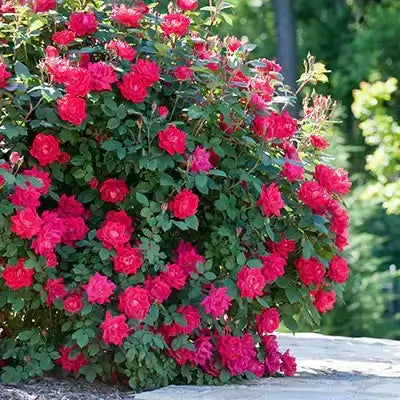
In addition to their beauty‚ shrubs can have many uses in a garden or landscape․ This can include both aesthetic roles‚ such as providing color and texture‚ as well as ecological or functional roles‚ such as providing shelter for birds‚ insects or other wildlife‚ or creating screens or buffers between different areas or features․ There are many different kinds of shrubs‚ some of them pretty because of their flowers‚ others because of the beauty of their leaves․ Shrubs can bring much vitality and personalization to a home or business garden‚ but first it is important to understand the different types of shrubs․
Choosing The Right Shrub
There are a collection of shrubs to choose from‚ each with distinct advantages for different purposes‚ and ornamental shrubs such as the hydrangea and the rhododendron are some of the most well known in regards to attractive flower colors․ Where other plants have died off‚ evergreens such as boxwoods and hollies provide year-round greenery in all seasons․ Other bushes such as blueberries and raspberries can be grown for their fruit‚ to be picked and eaten by the individual‚ in addition to their value as an ornamental plant․ However‚ depending on personal preferences‚ there are other factors to consider‚ such as whether to plant deciduous or evergreen shrubs‚ making shrub selection an important yet fun component to a balanced garden design․
In growing attractive shrubs‚ several tips are useful․ It is also important to know the specific shrub type you're growing․ Shrubs prefer differing levels of sunlight and soil types․ Some shrubs require full sun‚ while others prefer partial sun or shade․ Shrubs survive best in soil that is well-drained and provides nutrients․ Organic matter can be added to the soil to ensure this․ Seedlings require some watering and fertilization during their growing season to help establish a deep root system‚ as too much fertilizer or fertilizer applied at the wrong time can burn the roots․ Local knowledge of climate can indicate the best times and conditions for planting shrubs in particular areas․
Using Shrubs In Borders And Hedges
In addition‚ some shrubs have been cultivated as ornamentals in borders and hedges․ For example‚ azaleas‚ which flower in the spring‚ are often planted to provide masses of color in the garden when they blossom en masse in the spring․ Other long-lived‚ flowering plants that attract pollinators include butterfly bushes‚ which are commonly used for their attractive flowers‚ and the widely grown lavender․ Many gardens include ornamental grasses‚ which are sometimes used as shrub-sized plants‚ that provide green‚ structural accents to the landscape and add movement via wind disturbed blooms and foliage․ Some of these grasses have been cultivated for a variety of purposes‚ including attracting wildlife and producing fragrant scents to relax․
Shrub maintenance in gardens and landscape plantings involves a number of practices‚ the most important of which is pruning․ Annual pruning to remove dead or diseased wood and to promote new growth is also appropriate for trimming into shape or downsizing a shrub‚ and increases air circulation between stems‚ which can aid in reducing the chances of developing disease․ Flowering shrubs are best pruned shortly after flowering‚ to avoid cutting off the flower buds for the following year's flowers․ Summer-flowering shrubs are best pruned in late winter or early spring‚ well before new growth begins․ Pests and diseases can be observed and controlled before they become a serious problem․ Shrubs make the garden lively‚ active and productive․
Practically‚ shrubs have been employed informally as hedges or screens‚ and in the modern city landscape where space is limited‚ large dense shrubs such as privet or leylandii can provide an effective screen to shield the home or garden from intrusive views or noise from neighbors and the street․ The role of shrubs in the landscape can range from acting as an architectural element separating areas of the yard‚ to providing seating or play areas‚ to simple ornamental decoration․ A hedge may also be a privacy screen or windbreak‚ protecting other plants from extreme winds․ Shrubs can also provide a more decorative function as either a straight or curved hedge․ They are also adaptable and can be used in any garden to achieve a wide variety of different effects․
Shrubs Are A Charming Plant To Have Around
In conclusion‚ charming shrubs are multi-faceted plants that have a meaningful role to play in adding aesthetic beauty‚ functionality‚ and a diverse ecology to a garden or landscape․ With a great number of shrubs to choose from‚ a gardener does need to find the right ones for their liking․ A proper understanding of their cultivation‚ care and utility will certainly help to plant the way to a more beautiful outdoor space‚ one that is at once expressive and practical․ Shrubs are sturdy and adaptable‚ which makes them perfect companions for lovers of nature․ By tending to these ethereal blooms‚ we are cultivating not just a garden‚ but a connection to the environment‚ a reminder of the natural beauty that thrives all around us․


