
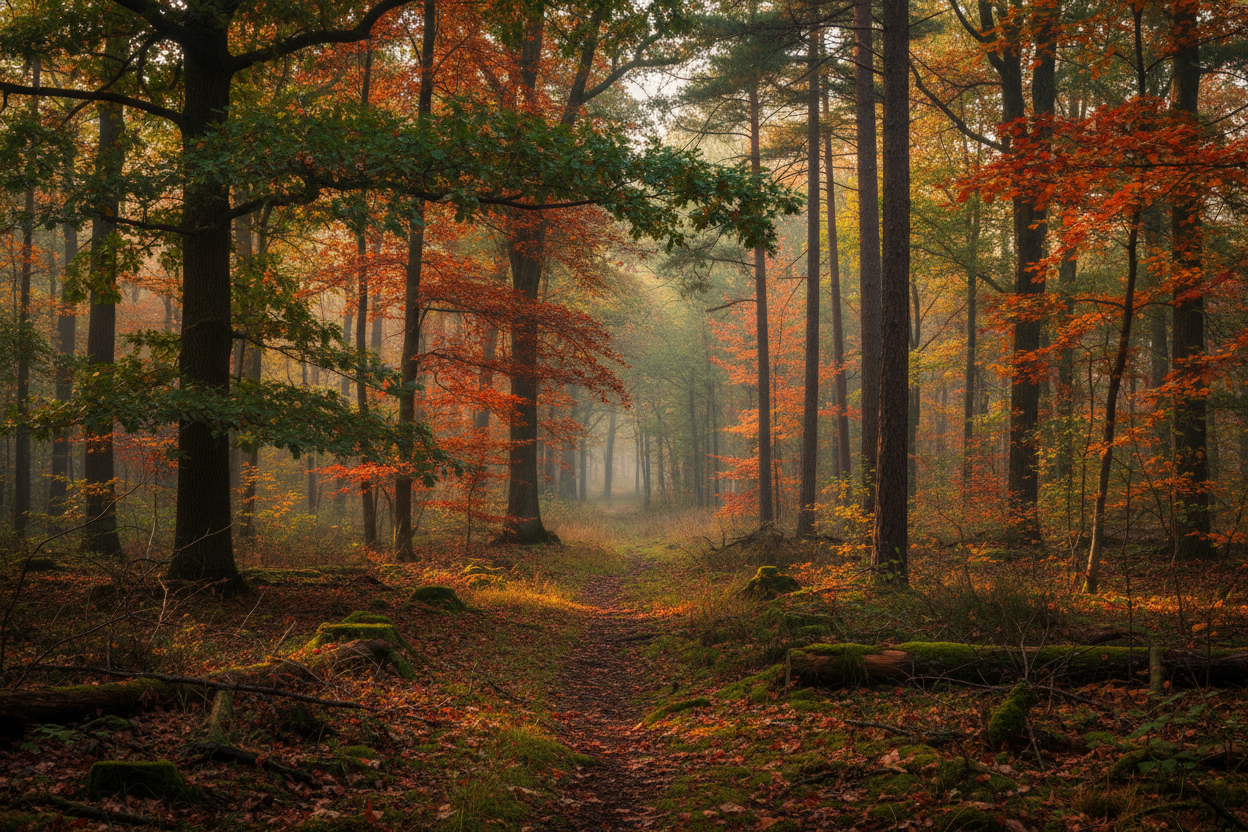
Planting native trees on your property will produce long-term value for both your landscape and the local supporting ecosystem and community. These are species that are locally adapted and can be grown with only minimal intervention, so they are perfect for the homeowner who wants to have beautiful landscapes that are sustainable. Whether it is creating a new yard or improving on the existing trees, native trees have unsurpassable advantages that cannot be imitated by non-native ones.
At TN Nursery, we have been working for decades to assist homeowners in making the correct choice of trees to plant in their gardens. Our expertise as a trusted native plants nursery provides us with experience on which species do better in given areas. This guide emphasises such outstanding options as Northern Red Oak Tree Seedlings, Sourwood Tree Seedlings, Box Elder Tree, Black Oak Seedlings, and our line of Fast Growing Trees, all of which have been adjusted to the Tennessee climate and other similar ones.
What Are the Ecological Advantages of Native Trees?
The native trees are the backbone of healthy ecosystems, with benefits that go way beyond the beauty. The trees have also evolved through thousands of years to co-exist with the local insects, birds, and wildlife, forming complex ecological dynamics, which sustain whole food webs.
By planting species from a native plant nursery like TN nursery, you are practically restoring the natural habitat. The Northern Red Oak Tree Seedlings alone provide more than 500 species of butterflies and moths, whose caterpillars form a valuable source of food for songbirds. This shows one of the main benefits of native plants, as they create biodiversity where it is most needed.
The native species are also great at controlling water and erosion. Their root systems are deep, breaking up compacted soil, enhancing water infiltration, and stabilising slopes. The above-mentioned Black Oak Seedlings are especially rooted, which enhances soil structure and captures carbon.
The main ecological benefits are:
-
Creation of wildlife habitats: It provides food, shelter, and nesting sites to native species.
-
Better air quality: Filtrate the air and generate oxygen.
-
Carbon sequestration: Take up and store atmospheric carbon dioxide.
- Healthy soil: Leaf litter nourishes the helpful organisms in the soil and accumulates organic matter.
How Can Native Trees Reduce Landscape Maintenance?
Among the most feasible benefits of native plants, the outstanding feature is the fact that they can grow without being nurtured much. Native trees, owing to their adaptation to the patterns of rainfall, the type of soil, and extreme temperatures, place much less demand on intervention than exotic species do upon acquisition.
Landscaping with native plants will require less time, money, and energy to maintain it through watering, fertilising, and pests. Our Sourwood Tree Seedlings are naturally resistant to most common diseases and pests without the use of chemicals. These low-maintenance native plants, which require minimal watering, can do away with the continuous irrigation systems. Most native trees can survive on natural rainfall only after an initial period of establishment of 1-2 years. Our Box Elder Tree is durable to a variety of soil types and amounts of moisture, so it is an ideal choice in problematic locations.
Experiential benefits in maintenance:
-
Little watering: Existing trees do not require water.
-
No artificial fertilisers: The native soil is a good source of nutrition.
-
Fewer problems with pests: Natural resistance involves fewer chemicals.
- Reduced pruning: The trees are grown in their natural shapes that are adapted to the local climatic conditions.
When you order low-maintenance native plants at TN Nursery, you are putting an investment into a sustainable landscape that is almost self-sustaining.
Best Native Trees to Plant for Home Landscapes
The choice of the native trees will depend on the conditions and landscape objectives of your property. We have selected a variety of plants at our native plant nursery, which are both beautiful and functional and serve the purpose of being versatile to use in the residential landscape.
Northern Red Oak Tree
The Northern Red Oak Tree produces exquisite shade trees for uprooting landscape design. They are 60-75 feet tall, and these stately trees grow wide with canopies that help in the cooling of your property, and they also add a lot of value to your property. The glossy green foliage of the two turns bright red in autumn, bringing some seasonal colour.
Sourwood Tree
The Sourwood Tree Seedlings have few native trees that are as attractive throughout the year. The spring is fragrant with a bunch of white flowers, summer presents shiny leaves, and fall provides a spectacular look of scarlet red. This is a shrub-like understory tree with heights of 25-30 feet, and thus it suits limited space in smaller gardens where the growing native plants have to be space-conscious.
Box Elder Tree
The Box Elder Tree is a very good tree in wet soils and also in low grounds where other trees would not thrive. This versatile native can stand periodic flooding and offers rapid growth, shade, and wildlife benefits.
Black Oak Tree
Our Black Oak Seedlings are among the most suitable to support wildlife. Deer, turkey, squirrels, and many others feed on acorns, and the structure of the tree makes it a good home to nest in. This is native plant landscaping at its ecological optimum.
In need of a quicker setup, our Fast Growing Trees line offers quick and easy expansion without a loss in native adaptability. These choices take root fast, and they offer shade, privacy, and a home in a matter of a few growing seasons.
Enhancing Biodiversity With Native Tree Choices
Growing native plants forms living corridors, which join fragmented habitats within suburban and urban landscapes. Every native tree that you plant also acts as a stepping stone where wildlife crosses developed territory that prevents the loss of genetic diversity in local populations.
It does not only matter the variety of the species you incorporate. Instead of planting monocultures, plant several native trees to accommodate different wildlife during the various seasons. Such as Northern Red Oak and Sourwood, they can be the same to have Acorns to forage in the fall and have flowers to pollinate in the summer.
The advantages of biodiversity are:
-
Pollinators support: Native flowers are bee, butterfly, and beneficial insect magnets.
-
Red Oak
Bird habitat: Dissimilar tree species have dissimilar bird communities.
-
Food web foundation: Food that is consumed by the insects develops into higher species that feed on them.
- Seasonal resources: Timed flowering and bearing give year-round wildlife assistance.
The native trees provided by TN Nursery are well chosen so that you are planting trees that really help the local ecosystems.
Integrating Native Trees Into Your Landscape Design
The idea of landscaping with native plants does not imply that the aesthetics will be compromised; they will be improved. Native trees are also beautiful seasonally, with interesting textures on their bark and shapes that could be useful in both traditional and modern designs.
Begin by evaluating the conditions of your property: sun exposure, soil type, drainage, and available space. Plant bigger native trees, such as Northern Red Oak, where they will just offer some shade and not be overwhelming to buildings. Plant the smaller ones, such as Sourwood, as a centre piece in areas such as a patio where their seasonal beauty can be enjoyed.
When planting trees, take mature size into account as per the suggestion of the American Horticultural Society. Experts of our native plants nursery advise that sufficient space should be allowed to grow. Plant our fast-growing trees to occupy space until the slower-growing oaks grow.
Conclusion
Native trees bring in unrivalled aesthetic value to landscapes, ecosystems, and homeowners. With less maintenance requirements, species that provide better wildlife habitats, the locally adapted species perform better in all significant aspects compared to their exotic counterparts. Our choices, such as Northern Red Oak Tree Seedlings, Sourwood Tree Seedlings, Box Elder Tree, Black Oak Seedlings and Fast Growing Trees, are proven to be effective in residential landscapes.
Trust TN Nursery as your source of native plant nursery for healthy, well-adapted trees to beautify your property and the local ecology at the same time.
FAQs
What are the benefits of planting native trees?
Native trees are cheaper to maintain, and they do not hurt local wildlife. They enhance the quality of their soils and water and are naturally resistant to local pests and diseases.
Why are native trees better for wildlife?
They have co-evolved with the local species that offer them a source of food and habitat, which the wildlife relies on in order to survive and reproduce.
Do native trees need less care than non-native species?
Yes, once planted, the native trees will be able to survive without much rain or fertilisers, trimming, or pest control.
Which native trees are best for home landscapes?
Northern Red Oak, Sourwood, Black Oak, and Box Elder are all great options with regard to beauty, shade, and wildlife value to residential properties.
How do native trees improve soil and water quality?
Deep root systems stop erosion, enhancing water infiltration, filtering pollutants, and accumulating organic matter by decomposition of leaf litter.
Where can I buy native trees online?
TN Nursery has a great variety of native trees and professional advice and quality guarantee that are delivered to your doorstep with the best protective packaging.

