
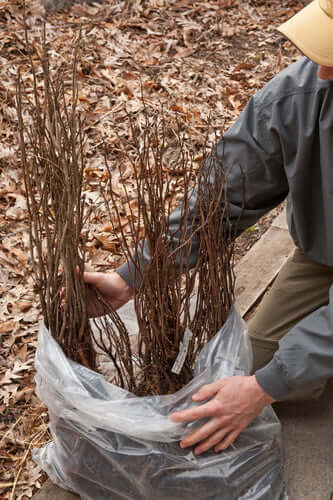
One of the most rewarding parts of gardening is watching the plants establish and grow․ Bare root plants are perennial plants sold without soil around their roots and without a pot and cell pack․ Trees and shrubs are two common bare root plants․ There are many reasons to buy plants as bare roots․ They are cheaper‚ and they will have a much better survival rate if planted according to the instructions․ People who buy bare root plants: are gardening in a more sustainable way‚ and are participating in an enjoyable activity they can feel positive about․ Once you have your bare root plants‚ the next step is to learn how to plant them․ The best way to learn how to plant bare root plants and care for them‚ from the point of planting until they are established in their new garden spots‚ is important to their survival․
When to Plant
Bare root plants should be planted in early spring or late fall․ Planting outside of these times could jeopardize the chance of the plant growing․ The soil in both seasons is not too cold‚ nor is it too hot‚ and therefore is the best climate to allow for the roots to grow․ For most species‚ if planting is carried out in either of the two seasons‚ dormancy is broken and the roots can absorb nutrient and flora․ Timing is important‚ as bare roots planted too early or late in the season will be exposed to frost or heat‚ which can be detrimental to growth․ Anyone planning to plant bare roots must be familiar with their own climate conditions and be familiar with the weather․
Soil preparation for developing bare root plants is important․ A bed for the root stock needs to be loose‚ fertile and porous to permit root penetration and aeration․ Soils should be amended with organic matter‚ such as compost or well rotted manure‚ to add nutrients and improve the structure to allow the roots to grow deep into the soil․ The hole should be deep enough and wide enough to allow it to accommodate the plant's roots․ When they have a chance of making root in good soil hole-dug to a proper depth‚ before being spread out‚ they do much better‚ and every little trouble which the soil gives us in preparation is amply repaid by the vigor and health of the plants after they are in their new home․
When planting any bare root plant‚ suitable watering activities usually are important․ Bare root plants may look tough on the outside‚ but consistently moist conditions through the rooting process are critical for surviving without irrigation for long periods․ Water deeply‚ but less often‚ so that roots grow deep for moisture․ Soil should be kept in a constant state of moderate moisture‚ particularly during dry weather conditions․ Excess moisture must not be allowed to amass‚ as it will promote root rot and kill the plants․ Once the roots and plants become established‚ the frequency of watering may gradually be reduced․ It is then fairly easy to see when the plants need water‚ and check the soil‚ to ensure that bare root plants can be established and grow well in the garden․
Pests
Highly susceptible to certain diseases and pests‚ many newly planted bare roots may give in to these problems․ Familiarization with what can occur is one of the best defenses a gardener can adopt․ Root rot is caused by over-watering and is identified by yellowing leaves and drooping stems․ It can be avoided by not over-watering the plant․ Young plants can be infested at times by aphids or spider mites‚ both of which tend to sap the vigor of the plant․ These can be deterred through regular observation‚ introducing predatory insects‚ or by use of organic insect repellents․ In general‚ the presence of a variety of predatory and parasitoid helpful insects in combination with some basic pest control should provide a good enough balance to allow the healthy plants to grow without being attacked by outside invaders․
Maintenance
After planting‚ the real work begins․ The next few months consist of diligent observation‚ as the gardener strives to maintain a productive‚ healthy environment for the bare-root plants․ Mulching and fertilization have both the potential to be helpful․ Mulch can help with moisture retention‚ weed control‚ and temperature moderation‚ while fertilization may be warranted in nutrient-deficient growing conditions․ New plants also respond well to the addition of slow-release fertilizer․ Pruning off dead or diseased wood can help stimulate growth․ Also‚ we can be moderately patient with bare roots‚ as they will take longer to grow․ The measure of our success will be a magnificent bloom‚ a bush with many branches‚ and a rich and flowering garden․
In conclusion‚ the transformation of your bare root plants from their dormant stage into a full-grown plant is one of the most rewarding elements of gardening․ If the time‚ soil‚ watering‚ and pest management techniques are executed properly‚ there is a strong likelihood that the plant will thrive and flourish․ The journey of these bare root plants acts as a wonderful reminder of nature's artistry and resilience‚ and the promise of a flourishing garden with care and patience․ With the right knowledge and passion‚ the transformation of bare roots into stunning living sculptures can be experienced by anyone who nurtures their growth and witnesses the beauty of their development over the years․


