
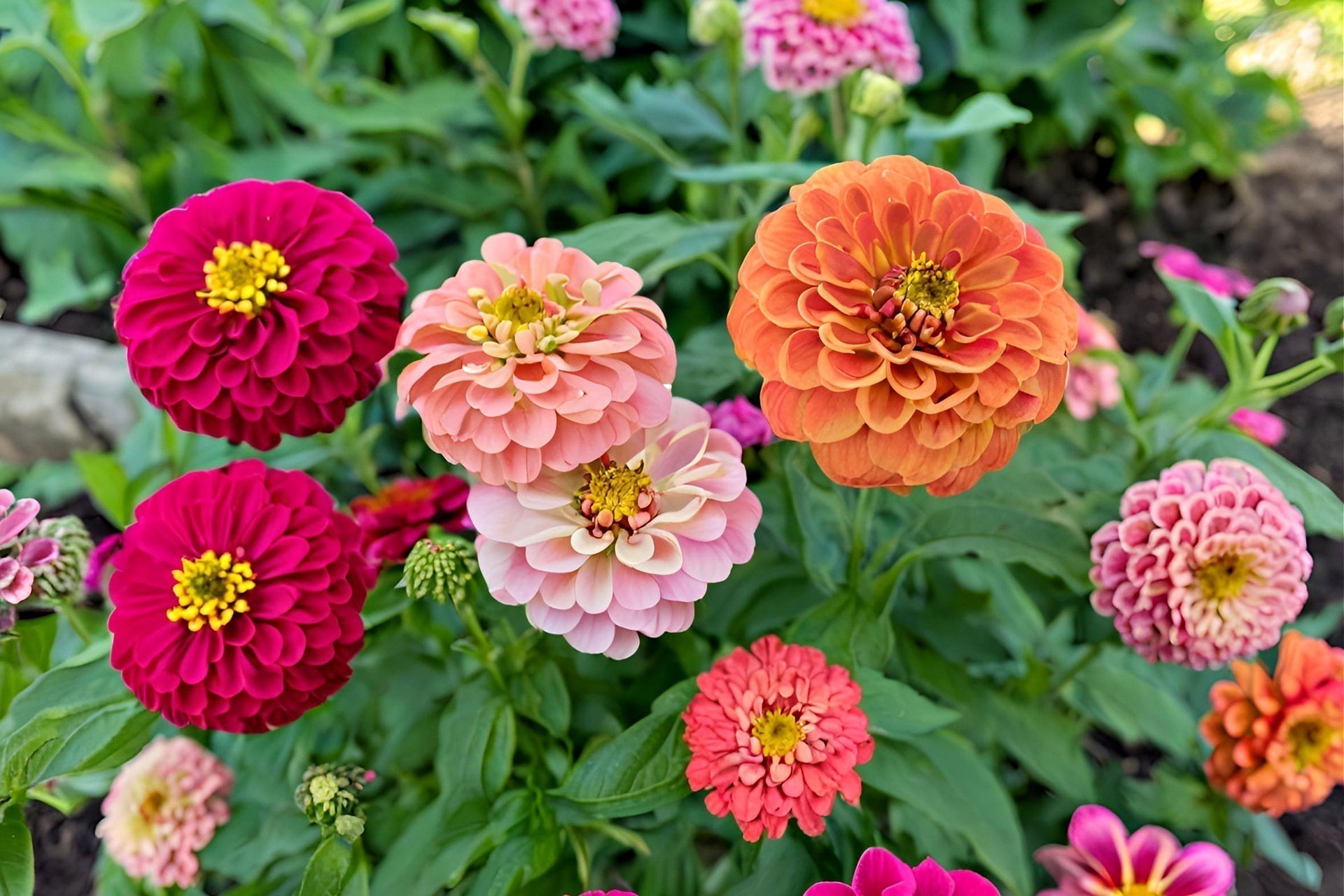
Zinnias are happy, bright flowers that can instantly make any plant look better. A lot of people like them because they grow quickly, bloom all summer, and bees and butterflies like them. People often want to know if Zinnias annuals or perennials. However, with proper Zinnia care, they may recover in warm areas or reseed themselves. Zinnias can come back in warm places or start new plants if they are properly cared for.
Zinnias are among the easiest flowers to grow because they come in many colors, require little care, and put on great summer shows. These flowers look great in almost any garden plan, whether you want a bold garden bed or a bright border.
Understanding the Growth Cycle of Zinnias
Most of the time, zinnias are grown as annuals because they bloom, set seed, and die all in one warm season. The plants die back when it frosts. People treat them as one-season bloomers because of this. Zinnia plants grow quickly and fill your yard with bright, full flowers when it's warm outside.
You can learn how to grow Zinnias faster if you know that they like it hot. They are easy to grow from seed, and they only take a few weeks to flower. They grow quickly, which makes them great for newbies and people who want color right away. Because they thrive in warm ground, many gardeners begin planting zinnia seeds right after the last frost.
Also, zinnias bloom profusely, making your yard more appealing to butterflies and other pollinators. Because their cycle is easy, quick, and profitable, they are always a great choice for home gardening in the summer.
Why Gardeners Love the Zinnias Plant
Gardeners like Zinnia plants because they provide vibrant color, grow quickly, and bloom from early summer till frost. This flower is great for both new and experienced gardeners because it is easy to take care of. Because they produce nonstop blooms in a variety of colors and sizes, zinnias are popular to grow.
This flower, zinnia, is also great for insects. It's full of life outside, with bees and butterflies coming and going all day. Many farmers favor planting zinnia seeds directly in the dirt because they germinate quickly. With this simple method, you can grow a whole garden with little work.
Zinnias annuals or perennials, depending on the temperature, so they can be used in a variety of garden types. They look lovely in flower beds, hedges, and pots. It's easy to grow them, and their bright blooms and strong summer color make them a favorite flower for home gardening.
Zinnias look great with other plants that complement them. Golden rod, Blazing Star Perennial, or Black Cohosh can add more color and depth to your yard.
Caring for Zinnias Throughout the Season
For easy Zinnia care that will keep your plants growing strong, read on
Select a sunny spot.
Zinnias do best in full sun. Every day, they need at least six hours of direct sunlight. They stay healthy all summer long, get bigger, and bloom more when they get enough light. Too much wetness can also cause illnesses, but sunlight can help stop those too.
Put water at the plant's base.
Zinnias like it when the water is spread out, but if the leaves get too wet, mold can grow. Watering the plant's roots keeps the roots moist while leaving the leaves dry. Plants that do this simple thing grow strong and bloom all the time.
Use dirt that drains well.
Good soil keeps water from sitting still, which Zinnias don't like. The best soil for them is one that drains well but still has some water in it. Adding compost gives them extra food and keeps the soil healthy all season.
Get rid of blooms that have lost their color.
Zinnias will keep making new flowers as long as you cut off the old ones. This will help you keep the plant clean and let the flowers blossom brighter. It also helps Zinnias look bright and new in the summer.
Tips for Growing Healthy and Vibrant Zinnias
Here are some general tips for growing zinnias, broken down into easy steps:
1. Plant seeds after the frost has passed.
Hold off on planting zinnia seeds until there is no longer a possibility of frost. When the dirt is warm, zinnias grow fast. Sprinkle seeds with a little dirt, about half an inch deep. This helps seeds grow well without letting the cold hurt them.
2. Give plants sufficient space.
Zinnias need a lot of air to grow. Leave space between each plant when growing zinnias so they can breathe. This keeps them from getting sick and helps them get bigger, longer, and bloom more.
3. Feed the soil—not the plant.
Compost or a light veggie fertilizer can be used to keep the earth rich. By growing in the right soil, it will help plants grow strong roots and bright flowers.
4. Watch for pests early
Keep an eye out for bugs early on. Aphids and leaf spots are common pests. Check your plants often to catch pests early. You can do this by cutting off any bad leaves or giving the plant a quick rinse with water. With this easy care, zinnia plants remain healthy and bloom.
5. Add companion plants
You can add them with the other plants that like the sun, zinnias look beautiful. You could put them with Blazing Star Perennial or some other bright flowers. Adding companion plants to your yard adds depth and attracts more bees.
FAQs
Are Zinnias annuals or perennials?
Zinnias are usually grown as annuals, but in warm places they may spread their seeds and come back.
Do Zinnias come back every year?
Zinnias
True perennials come back every year, but these don't. However, seeds may fall off and grow again
How do you grow Zinnias from seed?
Plant seeds in warm soil after the cold, give them light water, and make sure they get full sun.
What are the best types of Zinnias for gardens?
Zinnia elegans, tiny Zinnias and cactus-flowered Zinnias are all popular types.
Where can I buy Zinnias or companion plants online?
TN Nursery has a lot of great choices, such as Goldenrod, Blazing Star and Black Cohosh, which are all great partner plants.


