
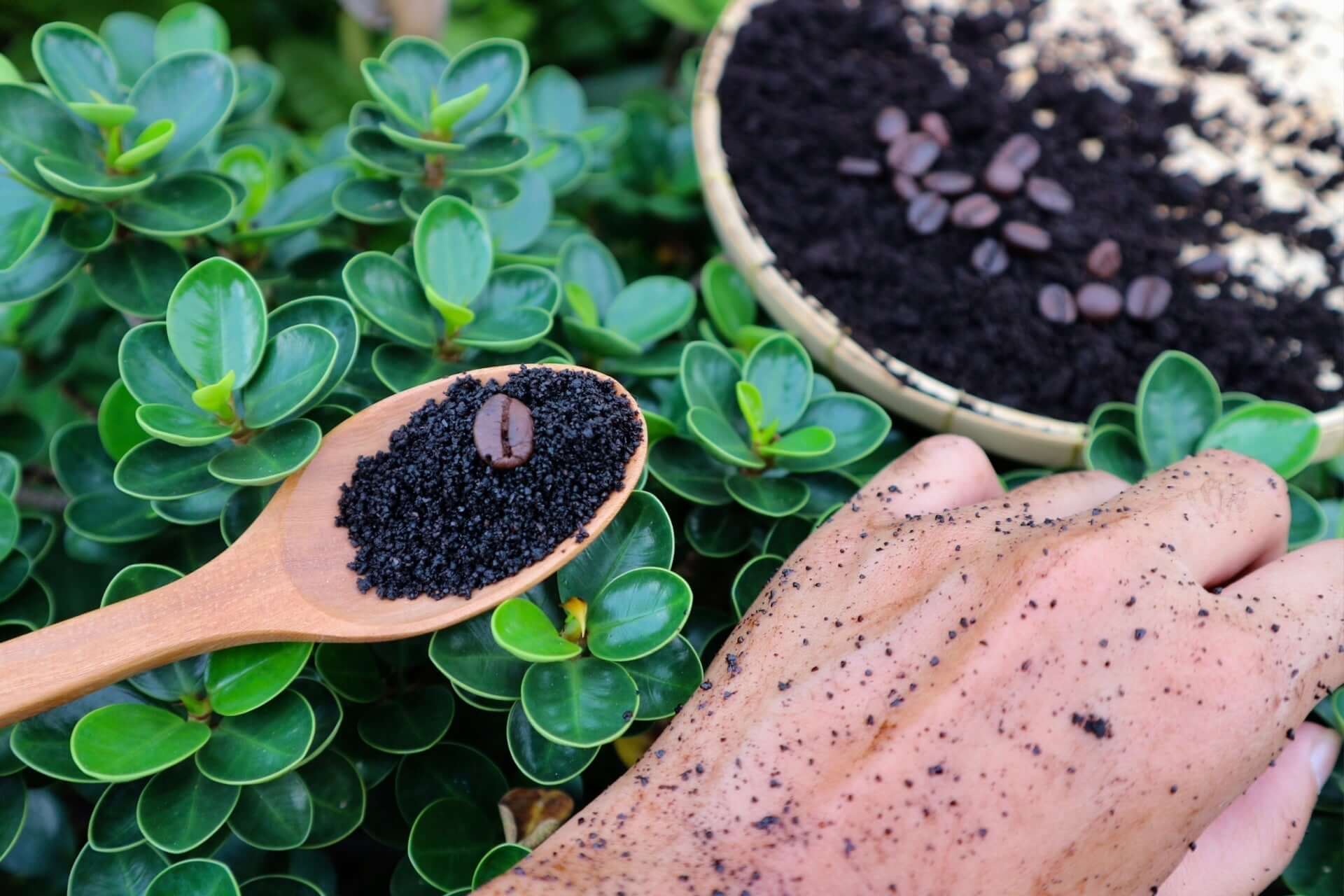
Many gardeners now use coffee grounds for plants to improve the soil as these coffee grounds that you throw away after brewing are more than just trash. They can give your plants nutrients, make the soil better and even help good bacteria grow. In this guide, we'll talk about how coffee grounds plants can help native plants do best when they are grown in soil that has coffee grounds in it.
If you're new to gardening or want to find ways to make your garden more environmentally friendly, knowing how coffee grounds for native plants will help you make smart choices.
What Makes Coffee Grounds Useful for Plants?
Coffee grounds in the soil of your garden are full of nitrogen, organic matter and other nutrients that help plants grow.
Why gardeners like them:
- Blazing Star Liatris
-
Spring Plant Diseases
Boosts nutrients - Adds potassium, magnesium and nitrogen to the soil
Environmental
-
Improving the structure of the soil - It helps keep moisture in and aerate the soil, which helps roots grow better
-
Microbial diversity - It helps good soil organisms that improve soil health and nutrient uptake
Things you can do
- To keep the soil from getting too hard, lightly mix used coffee grounds into the topsoil
- For balanced nutrition, compost them with other organic materials
- Place them near plants that like acidic soil and slightly lower pH levels
You can naturally improve your soil without using chemical fertilizers by adding coffee grounds plants to your care routine.
Benefits of Coffee Grounds for Native Plants
The benefits of using coffee grounds for native plants go beyond just adding nutrients. Native plants are often able to grow in soils that don't have a lot of nutrients. Adding things like coffee grounds can make a big difference.
-
Helps roots stay healthy - It makes the soil better which makes it easier for roots to grow
-
Increases pollinator activity indirectly - Healthier plants draw in more pollinators
- Encourages flowering cycles - Some native plants bloom more brightly when they bloom
Steps to take
- Put a thin layer around plants like Blazing Star Perennial to help them grow
- To stop fungus from growing do not put too much directly against plant stems
- To keep the variety of microbes mix it with other organic compost
Using coffee grounds for native plants carefully can help your garden grow in a way that is good for the environment.
How to Apply Coffee Grounds Safely in Your Garden
It's important to know how to use coffee grounds in garden areas so that you don't hurt the soil by making it too acidic.
Follow these easy steps for beginners
-
Mix with compost - To balance the nutrients, mix coffee grounds with compost
-
Lightly sprinkle - Put a thin layer on the soil surface especially around flowering perennials
-
Don't use too much - Too many coffee grounds can make soil hard and stop water from flowing
Tips for beginners
- Add dirt to raised beds or pots for indoor native plants
- Mix with mulch to keep the temperature and moisture levels stable
- Use it around native plants that like acid like Black Cohosh
Proper use ensures coffee grounds plants receive benefits without unintended harm.
Coffee Grounds: Myths vs. Facts
Gardeners often debate coffee grounds in garden use. Let’s separate fact from myth:
-
Myth: Coffee grounds keep all bugs away
- Fact: They might keep slugs away, but they won't keep bugs away completely
-
Myth: Coffee grounds have a lot of acid in them
- Fact: Used coffee grounds have a pH that is close to neutral and are safe for most plants
-
Myth: Coffee grounds can be used instead of fertilizer
-
Fact: They add nutrients, but they should not be the only thing you eat
If you use a lot of it, keep an eye on the soil pH and mix it with other organic amendments to keep the soil healthy.
Best Native Plants That Respond Well to Coffee Enriched Soil
- Certain species thrive particularly well with coffee grounds for native plants:
- Blazing Star Perennial - Needs more nitrogen to bloom more brightly
- Black Cohosh - Likes the organic matter and better root environment
- Wildflowers - Many native wildflowers do well when they get a little extra nutrients
For beginners:
- Coffee Grounds
- Use grounds in early spring, before the flowering cycles start
- To keep the soil balanced, use compost on a rotating schedule
- Watch how plants react to change the levels of application
FAQs
Are coffee grounds good for plants?
Yes when used in moderation they add nitrogen to improve the structure of the soil and help microbes grow.
Do coffee grounds make soil too acidic?
Used coffee grounds have a pH level that is almost neutral which makes them safe for most plants, including native ones.
How often should I add coffee grounds to soil?
Use it lightly every few weeks or mix it with compost for a balanced diet.
Can coffee grounds replace fertilizer?
No for best results mix with other organic nutrients.
Which plants benefit the most from coffee grounds?
Plants that like acid, like Black Cohosh and Blazing Star Perennial do well.
Do coffee grounds help plants grow better?
Yes they make the soil healthier and help roots grow and support a wide range of microbes.
When should you not use coffee grounds in the garden?
To keep fungus from growing do not let thick layers of soil touch plant stems directly.


