
5 Trees That Are Perfect for Any Tennessee Backyard
Here are the top 5 best all-round backyard trees for Tennessee and the other Southern states: Red Maple‚ American Persimmon‚ Flowering Dogwood‚ Crape Myrtle, and Eastern Redbud․ All are well-suited to our zone 6-8 backyard environments‚ they tolerate our clay soils‚ and they give back shade‚ fruit‚ flowers, or fall color without nit-picky care or maintenance on your part․
When you're planting a tree in your yard you're making a commitment for 20 plus‚ 30 plus‚ sometimes 50 years․ That's a long-term view․ You don't want a tree that will fight your soil‚ shed branches every time it rains and outgrow your suburban yard in ten years․ TN Nursery customers throughout Tennessee and surrounding states have let us know what they want: Trees that grow quickly‚ don't require a arborist on speed dial and earn their place in the yard․
What Actually Makes a Backyard Tree Ideal
But before we get into the list‚ it's useful to know what separates the good backyard trees from the mediocre backyard trees․ The four most important are:
Most of Tennessee is in USDA hardiness zones 6b to 7b‚ with the exception of the far western and southern areas of the state in zone 8a․ A tree rated for zones 3-9 should take our winters and survive our humidity in the summer‚ but a tree rated for zones 8-11 only is going to have a difficult time here․
Soil tolerance․ Middle Tennessee's clay soil is slow to drain and compacts easily․ Trees that prefer loose‚ sandy‚ well-drained soils will sulk and develop root rot in a few years if planted on heavy clay․ Except for their specific habits‚ all trees on this list tolerate clay fairly well‚ some more than others․
Mature size versus available space․ Although a tree might reach a height of 60 feet‚ a clearance of 20-25 feet will be needed between the house foundation and power lines․ For smaller lots‚ trees under 30 feet perform better in landscaping․
It pays off to maintain‚ because every tree needs care‚ especially for the first two or three years․ The best backyard trees are those that provide shade‚ fruit‚ wildlife value‚ or seasonal decorative color‚ with minimum pruning sprays or leaf raking․
1․ Red Maple: Fast Shade and the Best Fall Color You'll Get
Red Maple is the shade tree a Tennessee homeowner thinks about most often․ This tree of rapid growth‚ 2 feet a year‚ will give you a usable shade tree in 5 to 7 years․ Red Maples are 40 to 60-foot-tall trees with wide spreading crowns․ And their shade can measurably reduce cooling costs on the south and west exposures of a house․
In Fall the color is a bright orange to red‚ often several weeks before other maples in its range‚ about mid October in Middle Tennessee․ The Red Maple tolerates clay soils‚ periodic wet sites‚ and urban air pollution better than other shade trees‚ and has become a widely used street tree․ The plant requires full sun to light shade and a well-drained soil supplemented with compost․ It should be watered deeply once a week for the first year or two while it gets established․ After that‚ the checkermallow is largely self-sufficient and may only need watering during an extended drought․
2․ American Persimmon: Shade Now‚ Fruit Later‚ Almost No Fuss
The American Persimmon lives in obscurity until one tastes the fruit․ With a height of 30 to 50 ft (9․1 to 15․2 m) it provides good shade during summer and its honey-sweet fruit ripens after the first frost from September to November in Tennessee․ The native American Persimmon‚ unlike the Asian Fuyu varieties‚ is astringent until fully ripe‚ which means waiting until the fruit is fully soft on the tree before consuming․
The trees are low-maintenance‚ cold hardy to zone 4‚ tolerant of heavy clay soils‚ and relatively unaffected by most meaningful pests and diseases․ Fruit will be produced 3-5 years after planting a seedling․ It can self-pollinate (though it has a slightly higher yield with a male tree)‚ requires little care except for pruning dead and crossing branches in late winter‚ and can be incorporated into a diverse planting scheme․
3․ Flowering Dogwood ‚ Tennessee's State Understory Tree
Flowering Dogwood is almost a symbol of the Southeast‚ and is the tree to plant if you want a splash of spring color‚ but the canopy isn't huge․ Tree can reach 20 to 30 feet high‚ but is better suited for the smaller backyard or as an understory tree․ White or pink bracts unfurl in April here‚ before most other trees leaf‚ and the tree's red autumn foliage and fruit have been stripped off by songbirds by November․
Dogwoods prefer partial shade in slightly acid and well-draining soil, but will not tolerate standing water or heavy clay․ Organic material can be mixed with soil to improve drainage through clay․ Dogwoods have a hardiness rating of zones 5 to 9․ There is only one important disease‚ dogwood anthracnose․ This fungal disease is more common in moist‚ shady‚ overcrowded sites․ Adequate air circulation and the avoidance of overhead watering are recommended․
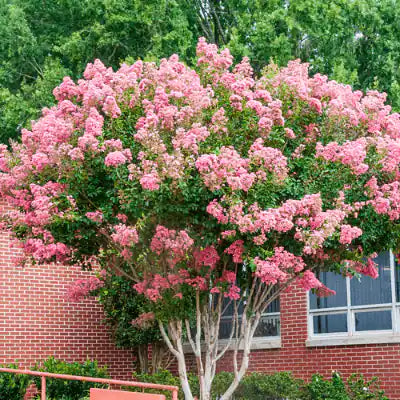
4․ Crape Myrtle - Blooms all summer with almost no care
Looking for color from June through September? Crape Myrtle is probably the longest-blooming perennial shrub available‚ and with varieties running from 8-foot-dwarf shrubs to 25-foot trees‚ it fits into almost any landscape․ Flowers may be white‚ pink‚ red‚ or purple‚ and peeling‚ mottled bark provides winter interest after the leaves drop․
Once established‚ Crape Myrtle is very drought tolerant․ It also tolerates the clay soils and humid climate of Tennessee better than most flowering trees․ Although it can be grown in USDA Hardiness Zones 6-9 (nearly all of Tennessee)‚ the hardest thing to do is to not crape murder it‚ the topping cut often made in certain neighborhoods which delays flowering and tree vitality․ To remove spent flower heads and crossing branches it can be lightly pruned in late winter․
5․ Eastern Redbud: Early Spring Color for Small Gardens
Eastern Redbud is a native understory tree that can reach 20-30 feet (7-10 m)․
"

