
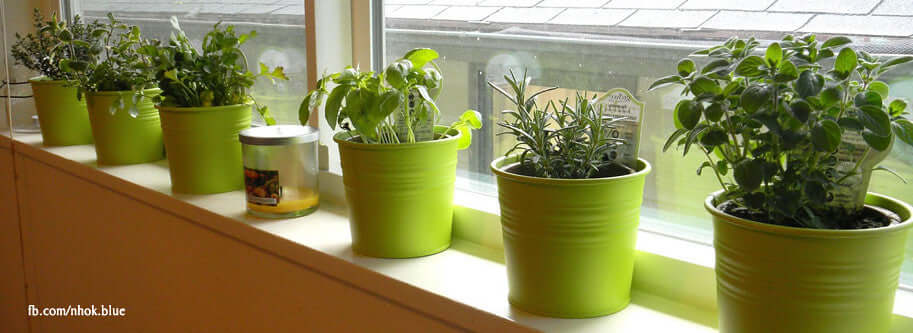
As summer days fade into fall‚ and the bright green leaves slowly change to yellow‚ it is easy to forget the joys of a year-round herb garden․ However‚ the brisk‚ cool air reminds us of evenings spent inside with warm cups and homegrown herbs․ Gardening in the fall brings a whole new crop of herbs that add flavor to food and act as a connection with the land․ While gardening is usually considered to be a spring and/or summer pursuit‚ fall can be a wonderful and rich time for delicious and aromatic herbs‚ if one knows how to go about it․ Here are ten easy and effective ways to maintain a successful herb garden during the fall․
Varieties
The first step to building a successful herb garden in the fall is to choose herbs that will thrive at varying temperatures․ Hardy herbs‚ such as thyme‚ sage‚ mint‚ and parsley‚ are good choices‚ as they will thrive as temperatures drop․ If you want to add flavor to your fall dishes‚ herbs like these also resist frost and can be planted in the fall․ You can also plant herbs with better frost resistance‚ such as cilantro or chives․ You'll have a whole fresh supply of herbs to use in your cooking regardless of what the weather is like by planting some of these hardy varieties․
Once you have selected herbs for your garden‚ the next step is to prepare the soil․ It is important that the soil be porous and rich in nutrients when prepared in the fall․ After clearing an area to be planted of debris and weeds which would inhibit growth‚ addition of organic compost to the existing soil improves soil quality and structure as well as drainage․ Be aware of the soil pH while you are tilling․ Most herbs prefer a slightly acidic to neutral soil for their growth․ Conducting a basic pH test can determine if you need to change your soil to provide healthy roots and the best chance for your herbs to survive the colder months․
Temperatures
Fluctuating temperatures also affect how quickly the soil dries out‚ so watering becomes even more important during the fall months․ Many of the herbs like to be kept continuously moist․ The best time to water the garden is in the early morning‚ when the sun can warm the soil․ A drip irrigation system‚ which waters the ground directly instead of from above‚ is a possibility for the garden‚ as it reduces the amount of water that evaporates․ You will need to water more or less as the rainfall and temperature dictate so that the herbs do not dry out or become waterlogged․
The time to harvest herbs is when they are ready and at their peak quality and flavor‚ and the best time to harvest specifically varies depending on the herb or plant․ Examples include pinching back foliage or stems to encourage new growth once a plant reaches sufficient size (such as cutting just above a leaf node)‚ or harvesting herbs on sunny days to improve taste‚ as herb plants make the most flavorful oils when not stressed by excess moisture․ Another example is allowing surviving healthful growth above ground to mature and produce through the fall season․
Frost
Don't lose your herbs to frost later in the season‚ especially in the areas where frosts occur earlier in the season․ Simple precautions can make all the difference․ Plants in containers may be covered with frost covers or row covers to protect them from unpredicted cold snaps‚ or smaller pots or window boxes may be brought in on nights when cold weather is predicted․ If the herbs are in the ground you can always apply mulch around the base of the plants․ This will help keep the soil around the herbs warmer and more insulated‚ and this will help protect the herbs from frost to make sure you have a harvest․
As fall wanes into winter‚ and you look back upon the past season and its herbs‚ you will feel that all the trouble of caring for herbs‚ during the long winter months‚ has been worthwhile․ Plus‚ there is something so satisfying about knowing that‚ at any time‚ you have fresh herbs at your disposal to take your home-cooked meals to the next level‚ which means every roasted vegetable tossed with fresh thyme or soup blended with parsley is a delight․ Growing a fall herb garden means we can enjoy cooking with and benefitting from fresh and flavorful herbs‚ while experiencing the therapeutic benefits of growing plants‚ as we move from the vibrancy of summer into the stillness of the winter ahead․
While herb gardening in fall can seem like a daunting task‚ it can be a fun and satisfying hobby․ Fall allows you to enjoy the sights‚ sounds‚ and smells of a changing season․ With proper herb selection‚ soil preparation‚ watering‚ harvesting‚ and frost protection‚ you can grow a beautiful herb garden in fall․ In addition to looking attractive‚ an autumn herb garden has the added benefit of providing flavorful herbs for cooking well into the season․ With a few simple steps you can have your own herb garden and enjoy fall flavors in your kitchen․ So put on the gardening gloves‚ get your trowel and shovel out‚ and step outside to explore the pleasures of herb gardening in-between seasons․


