Rhonda Southern
I apparently ****

Violet Plant
3-9
Under 12"
Low and Moderate
Partial shade and Shade
Spring
Violets thrive in well-drained soil. Keep them consistently moist but not waterlogged. In early spring, fertilize lightly with a balanced fertilizer. Remove spent flowers to encourage continuous blooming. Prune back after flowering to maintain shape and vigor.
Sweet Violet thrives in partial to full shade, making it ideal for woodland gardens or shaded areas of your landscape. It can endure some morning sun, but too much natural sunlight can cause the leaves to scorch.
Source of the butterfly tea , Beautiful purple flowers, Multiples quickly & hardy
Rhonda Southern
I apparently ****
louis lombas
damp well packed roots, planted day of arrival, look like they should do great, thanks
Susan Currie
I received several pacts of seeds from several different businesses. I thought about the violet and wasn’t sure if I had actually completed an order. I thought I would go ahead and order but didn’t. It might be getting to late for planting. Maybe next year. Lo’an’behold! And envelope arrived from TN Nursery with healthy bare root sweet violets. And more plants than expected. I planted immediately even though it was way past time the cooking supper. I can’t wait to see them grow and bloom. Most everyone tells me that violets are weeds. I firmly disagree!! Mow I can tell people that I love the common one but also grow sweet violets, and tell them every thing I know about violets.
About this plant
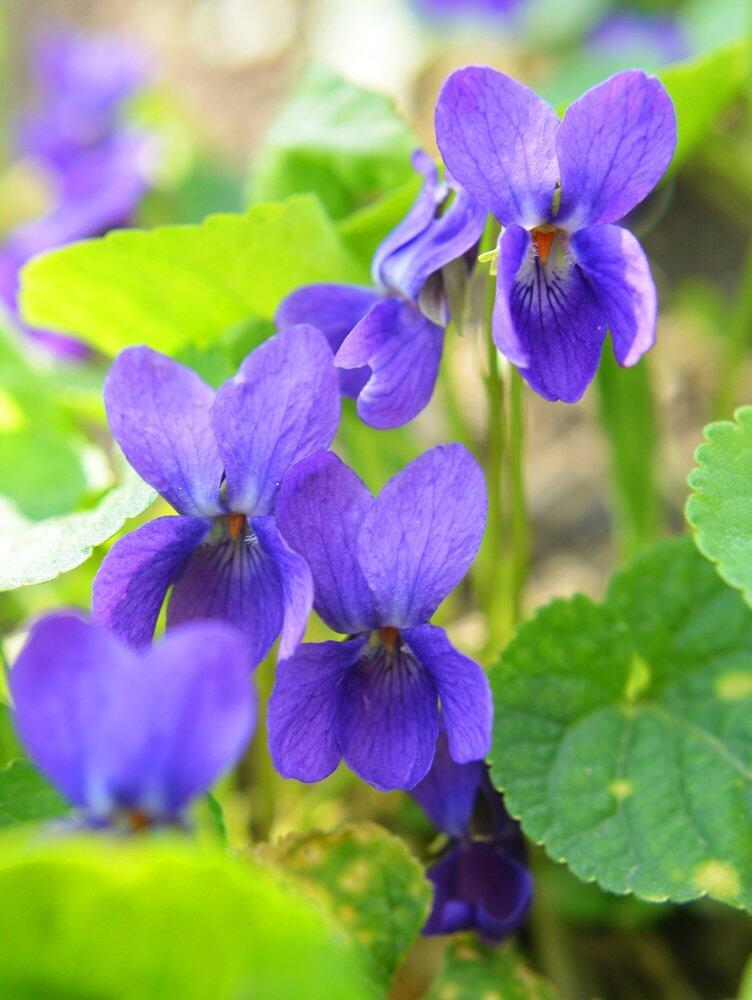
The violet perennial plant can be found in gardens and fields of the wild, and is a pretty plant with beautiful colors of deep scarlet purple. The plant is the Violaceae. As the main genus, this genus has many attractive species. Known for their heart-shaped leaves and little charming flowers, violets are a favorite of gardeners and a part of many ecosystems because of their grace and versatility. Growing in gardens, meadows, and woods, they are a common sight in springtime. The perennial, returning each spring, fills those who sing of them with a love of nature's eternal cycle: that every year they burst forth from the earth in the depths of spring.
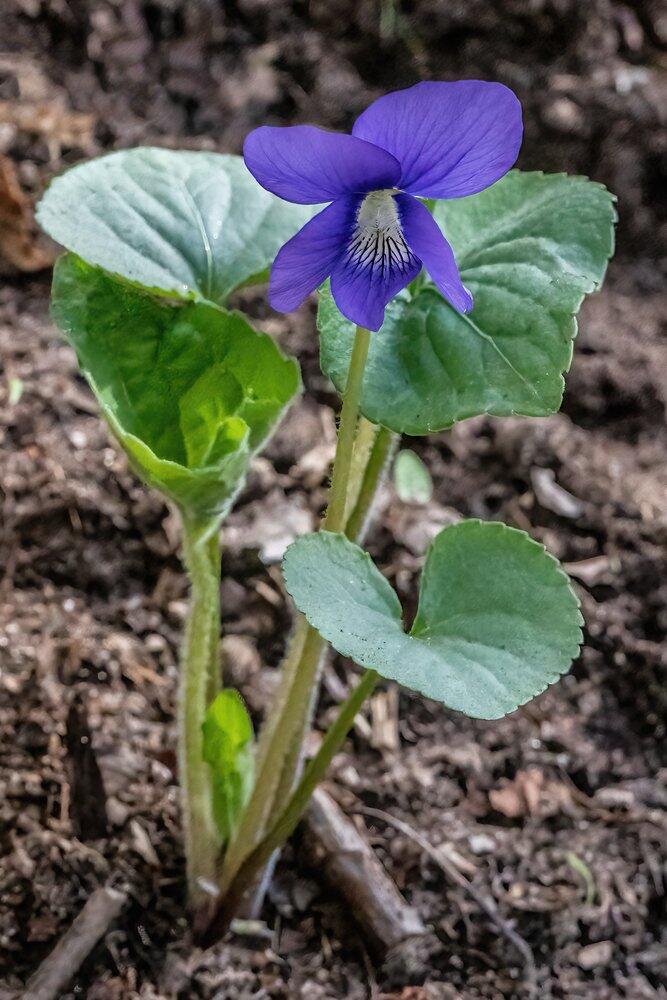
Violet plants' blooms are heart-shaped, but the plant can take on a variety of appearances indeed in different species, with leaf shapes including oval, elongated and lobed, and any one species can exhibit a number of such shapes. These forms create beautiful variations, which are common for the species. When grouped together, as in a garden setting, the leaves are a dark green and sometimes pileated or velvety to the touch. When planted together they make a thick, rich looking carpet of greenery that can be found growing in woods or gardens. This species further shows the ability of violets, already a hardy group of plants, to thrive in a diverse range of ecological settings.
Botanically, violets are interesting, because they possess both male and female parts, and are therefore capable of self-pollination, although they can also cross-pollinate with insects, such as bees and butterflies. The plant is able to grow in either direction, therefore making it able to survive in any environment, or climate, so long as there is sufficient light and moisture. Flowers are usually purple, blue, white or yellow. Many have finer markings as honey guides (patterns which guide pollinators to the flower). The five petals of the flowers are decupled, with the lowest petal usually larger and more brightly colored, and acting as a landing pad. The general flower structure of the plant, combined with a sweet scent, attracts a number of pollinators, and is vital for the ecology.
As spring arrives, violets start blooming early in the warmer weather. They are the first plants to receive the classification sign, meaning this flower is blooming in spring and warmer weather. Some bloom in March or April, while others bloom through May in certain regions. They are among the first spring flowers to bloom before summer temperatures. Individually the flowers can be very beautiful, in some species the markings are said to give clues to their evolutionary origin. Also the contrast of such brightly colored flowers against the fine texture of the divided foliage adds to the decorative effect for the visitor to the garden. Such beauty not only charms the eye, but heals the heart, and is an annual reminder of the glory and wonder of nature.
They are also frequently planted in gaps in beds that are dominated by larger plants. Violets can be used as groundcovers to fill bare ground and reduce the need for mowing. They can be used to create a decorative, low-maintenance carpet or walkable ground cover, and they increase biodiversity in home gardens due to the presence of pollinators. This groundcover perennial is popular for container gardening, as they can crawl and spill down the sides of hanging containers, producing an attractive hanging display on porches and patios. Being perennial groundcovers requiring little care, they are suitable for use in dramatic landscape design and are popular with beginning and expert gardeners alike.
In conclusion, the violet perennial plant is a representation of the beauty of nature and the ability to thrive in various environments. With their various foliage shapes, vibrant flowers, and importance in supporting the health of pollinators, violets offer both aesthetic value and ecological importance. Their early spring bloom is often the first announcement of the advent of spring, and the little bunches of blossoms bring beauty and joy to our garden, glen, and balcony. In the cultivation of gardens, in rambles through the woods, should we not occasionally think of the humble plant, and the insect, the bird, and the animal, whose lives form one of the greatest beauties of nature?
Violets knit together into a soft carpet alongside our other ground cover plants. For more ideas, read our guide to native ground cover for shade.
Good companions include Foam Flower and Running Cedar Plant. You'll find more options in our shade perennials and perennials.

Since 1959, TN Nursery has grown and shipped quality bare root plants nationwide. Shipped during dormancy, bare-root plants develop strong root systems and establish quickly. Our experienced team carefully harvests and packages every order, providing growers with trusted plants backed by over 65 years of nursery experience.
Learn More About
Bare root trees
Fragrant Blooms:
Sweet Violet fills your garden with a delightful, sweet fragrance that enhances any outdoor space.
Ground Cover Potential:
Its spreading nature makes Sweet Violet an excellent choice for ground cover, helping to fill in gaps and control erosion.
Versatile Growth:
Sweet Violet thrives in various conditions, including shaded areas, making it a flexible addition to any garden.
Beautiful Flowers:
Enjoy charming, vibrant purple flowers that add a touch of elegance and color to your garden.
Fall Digging
Spring Digging
Packing Orders
Customer Unboxing Video
Product Highlight
I’m very happy with my Violet! It arrived healthy and well packaged, and it has been such a lovely addition to my garden.
The Violets have settled into my shaded garden beautifully. They are such a simple little native plant, but they make the area under my trees look so much more natural. I love seeing the purple flowers appear.
TN Nursery has my highest recommendation. Their customer service is outstanding as are their products. It's refreshing to find a nursery that has such a large variety of plants including harder to find plants like violets. Overall, my experience with TN Nursery was great!
The dormant plants are healthy, plump, bug free, and quite large. I'm so happy with my plants, I won't hesitate to shop here again.
This company is highly recommended! My sweet violet roots were delivered to me quickly, healthy looking and in great shape. I'm looking forward to seeing them in bloom next Spring!
The fragrance is classic and nostalgic. Planted near the path so we catch it every morning. Perfect in part shade with compost.
Classic cottage-garden look without the maintenance. A little mulch, regular watering, and they reward you every late winter.
First blossoms opened while the yard was still brown. Bees visited right away. Took off one star for slow shipping.
I tucked clumps beneath hydrangeas and they knit together nicely. A sprinkle of leaf mold kept moisture in and boosted growth.
The Sweet Violets I planted from TN Nursery are flourishing. They’re low-maintenance, fragrant, and make a stunning natural groundcover in my yard.
I was impressed with the strong roots and healthy foliage on these plants. Sweet Violets are already adapting well and will bring long-lasting beauty to my landscape.
These Sweet Violets are thriving in a shaded corner of my yard. The rich green foliage and violet-purple blooms bring a classic woodland feel.
The Sweet Violet plants from TN Nursery arrived healthy and ready to plant. Within days, they were thriving, and the fragrance is just incredible in my garden.
I apparently **** read the description correctly because I received starter plants instead of a potted plant. Totally my fault!
damp well packed roots, planted day of arrival, look like they should do great, thanks
I received several pacts of seeds from several different businesses. I thought about the violet and wasn’t sure if I had actually completed an order.
I thought I would go ahead and order but didn’t. It might be getting to late for planting. Maybe next year. Lo’an’behold! And envelope arrived from TN Nursery with healthy bare root sweet violets.
And more plants than expected. I planted immediately even though it was way past time the cooking supper. I can’t wait to see them grow and bloom. Most everyone tells me that violets are weeds. I firmly disagree!!
Mow I can tell people that I love the common one but also grow sweet violets, and tell them every thing I know about violets.
Bought these for my Mom. Not only did they arrive quickly, her sweet violets were packaged carefully to keep them safe.
I was very pleased when I received these. I was given many more than I thought I would have thank you so much.
These are beautiful. They came about to bloom!F
arrived safely and in good condition, so happy with my violets
Sweet Violet
I just got my violet roots in and planted them so I can't see how they're doing right now. But the roots looked and felt good and healthy. So far, so good.
Plantings seem quite healthy, but of course I won’t know how to really evaluate until next spring.
The plants arrived healthy and took root immediately! I’m glad I purchased these before the winter ❄️
Just got them in the ground… we’ll see 🥰!
Came on time. Nicely packed. Planted it same day. Already sprouted. Very happy with purchase .
The wildflower violet plants (10) came quickly to me after the order was placed!
I planted them in a pot and they are growing well; soon I will be able to transplant.
Thank-you~!
The bare root plants arrived promptly and were in excellent condition. I planted them immediately and they commenced to grow beautifully. I am thrilled. I ordered seeds for sweet violets from another company last year, and Johnny Jump Ups sprouted to my dismay, about which that company cared not at all. I know my nine beautiful violets (I ordered only five) are the real deal this time. I couldn't be more pleased with this company. Thank you for excellent service and beautiful plants I will enjoy for many years.
I got the flowers quickly and planted them immediately. They are doing great
Violence are coming along nicely
Growing real good. Took off in just a few days.glad with purchase,
Love it!