


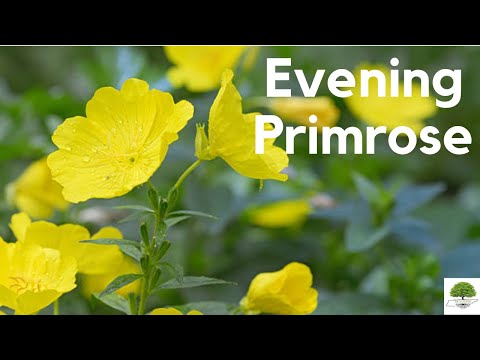


Yellow Primrose For Sale
The Yellow Primrose perennial (primrose oenothera) is a delicate yellow flower that is native to eastern and central North America. This beauty is unique in that it blooms as the sun is setting, hence its common name of this plant. The petals visibly open in the evening and close with the sunrise, creating a strange phenomenon that is special to witness.
Yellow Primrose Plant Details (Oenothera)
Family: Onagraceae
Light Requirement: Full Sun, Partial Shade
Water Needs: Moderate
Height: 6-12 in
Spread: 12-18 in
Growth Rate: Moderate
Soil Preference: Rocky or sandy
Bloom Time: Late spring - late summer
Flower Color: Yellow
Wildlife Value: Pollinators, Moths, Butterflies, Bees

Why Yellow Primrose is a Unique Native Plant
The Yellow Primrose (Hooker's Evening Primrose) is an eye-catching native found in woodlands, prairies, and disturbed anthropogenic sites. It has a basal rosette of leaves that continue up its thick, hairy stem.
Their stems can grow to be up to six feet tall under the right conditions, with flowers starting to bloom in a cone shape for the top six inches. Its foliage has a wild look to it, as its long, narrow leaves decrease in size towards the top of the stem. The flowers are fragrant, with a light lemon scent that attracts bees and butterflies.
How to Grow Yellow Evening Primrose in Your Garden
This yellow beauty has a fascinating nectar guide pattern printed on its leaves. This pattern is invisible to the naked eye, but is visible under UV light to bees and other pollinators and helps guide them to the nectar source, leading to pollination.
Nocturnal moths pollinate this night-owl flower, bees, and other insects in the early morning. The plant's seeds are food for many bird species, including the Goldfinch, Bobwhite, and Morning Dove. This yellow flower is also a host plant for the Primrose Moth and the White-lined Sphinx Moth. The moths tend to lay eggs on the flower buds, and later, the resulting caterpillars eat the plants' leaves.
This life-cycle support is an important addition to the wildlife community of a native habitat. This gorgeous, yellow flower is an exciting addition to your garden because of its wildlife value, and its unique evening blooms. Plant the Yellow Primrose to increase visual interest and beauty in your garden all day and night long!

Customer Reviews
I couldn’t be happier with my Yellow Primrose purchase. TN Nursery always delivers premium plants, and this order was no exception. The flowers are vivid, hardy, and perfect for enhancing my garden beds with color and charm.
My Yellow Primrose plants from TN Nursery are flourishing beautifully. They have such a warm golden hue that instantly uplifts my garden. I was impressed by how carefully they were shipped and how healthy they looked upon arrival.
TN Nursery provided me with gorgeous Yellow Primrose that grew wonderfully from day one. They were packed carefully, and each plant was fresh and strong. Now my garden feels brighter and more welcoming thanks to these blooms.
The Yellow Primrose from TN Nursery is one of the best garden additions I’ve ever purchased. The blooms are rich in color, and the plants are thriving beautifully. Their shipping was fast, and the plants arrived in excellent shape.
I’m beyond pleased with the Yellow Primrose I received. The plants are robust, healthy, and full of life. They bloomed quickly and continue to add an elegant touch to my yard. TN Nursery truly delivers superior quality.
What is another name for yellow primrose?
Another name for yellow primrose is Evening Primrose. It’s known for its bright yellow blooms that open in the evening and attract pollinators. This cheerful wildflower adds color and charm to gardens and natural landscapes.
Is yellow evening primrose a perennial or annual?
Yellow Evening Primrose is a perennial that returns year after year with bright, cheerful blooms. It thrives in sunny spots and well-drained soil. Once established, it grows easily and spreads naturally for lasting color in the garden.
Does yellow primrose spread?
Yes, yellow primrose spreads gently by seed and underground roots. Over time, it forms lovely clusters of golden blooms that brighten any garden. Its easy growth makes it perfect for naturalizing in sunny or lightly shaded areas.
What makes the yellow flower heart shaped petals special?
The yellow primrose stands out for its soft look and sweet evening scent. It opens at dusk and closes at sunrise, adding a touch of charm to night garden.
Is hookers primrose easy to grow at home?
Yes, it grows easily in full sun or light shade. It likes rocky or sandy soil and needs moderate water. Once settled, it spreads slowly and keeps blooming every year.
Exposure
Yellow Primrose flourishes in the complete sun to partial shade. It favors at least six hours of explicit daylight but can endure some afternoon shade, particularly in hotter climates. Adequate sunlight ensures vibrant blooms and healthy growth.
Height at Maturity
Under 12"
Usage
Pollinator Plant
Shipped As
Bare-root
Ships
USPS
Planting Zones
3-8
How To Grow
How to Grow and Care for Bare Root Perennials, Tubers, and Bulbs
Bare root perennials, tubers, and bulbs are an easy and economical way to jumpstart your garden with lasting beauty. These dormant plants should be planted in early spring or fall while the soil is cool and workable. Before planting, soak bare roots in water for 1–2 hours to rehydrate them. Choose a location based on the plant’s light needs—most flowering types prefer full sun, while others thrive in partial shade.
For bare root perennials, dig a shallow hole and spread the roots out naturally, ensuring the crown is level with the soil surface. For tubers and bulbs, plant with the pointed side facing up at a depth about two to three times their height. Cover with soil, gently press down, and water thoroughly.
Keep soil consistently moist (not soggy) until new growth appears. Add mulch to retain moisture and suppress weeds, but avoid covering the crown or bulb tops. Once established, these plants require little maintenance—just seasonal watering, occasional dividing, and deadheading or pruning as needed. With proper care, they’ll return and thrive year after year.

