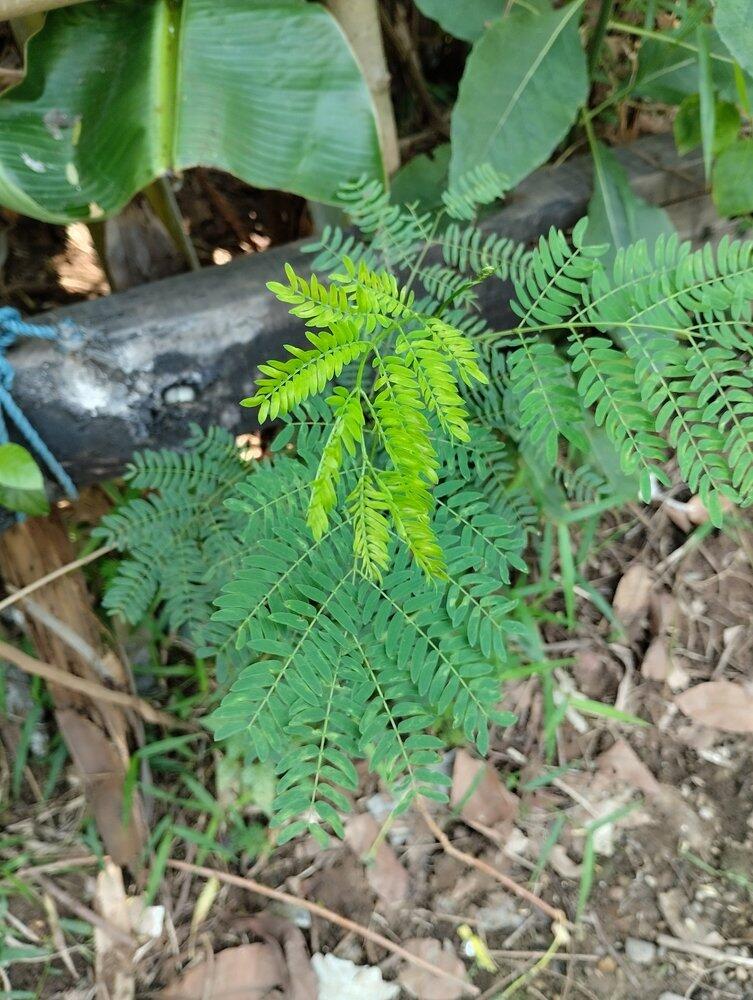
Honey Locust Tree Details
The American honey locust, or Gleditsia triacanthos, is a versatile native tree known for its delicate, fern-like foliage, sweet seed pods, and toughness. Its long thorns discourage browsing animals, while its long, flat pods feed a variety of wildlife. It does well in urban soils.
Honey locust typically reaches 30–70 feet tall and about as wide, growing about 2 feet per year in good conditions. It is hardy in USDA zones 3 to 9 and grows best in full sun.
Growth, Resistance and Longevity
Honey locust is hardy and long-lived, often living more than 100 years. Small, greenish flowers appear in late spring or early summer, followed by long, flat seed pods that ripen in fall, when the leaflets turn clear yellow.
The common name of honey locust is not due to bees, although pollinators are attracted to the flowers. The ‘honey’ reference comes from the sweet, honey-flavored pulp surrounding the seeds inside the tree’s seed pods.
Honey Locust Trees Offer Wildlife Value
Honey locusts is an excellent native tree for giving wildlife food and shelter. Deer, squirrels, rabbits, birds, and other wildlife eat the sweet pulp. The small flowers also provide nectar and pollen for bees.
Another benefit of the honey locust is its remarkably strong, durable wood, a quality that complements the tree’s overall toughness and resilience. Its ability to tolerate a range of growing conditions makes it useful for native wildlife plantings and habitat restoration projects.
Erosion Control and Windbreak Coverage
Honey locust trees are excellent choices for windbreaks and erosion control on compromised sites. Their adaptability and wildlife value can also make them useful for woodland and habitat restoration projects in both rural and urban environments. Their deep, wide-spreading root system and drought tolerance help explain why the species has long been used on difficult sites and in windbreak plantings.
Choosing a Honey Locust Tree for Sale
Before choosing a honey locust tree for sale, consider the amount of space available at your planting site. This is a large tree with a broad, open growth habit, so it is best suited to open areas where it has room to mature. The straight species also has large, sharp thorns on its trunk and branches, making it a poor choice beside walkways, play areas, and other high-traffic spaces.
This plant ships bare root.