


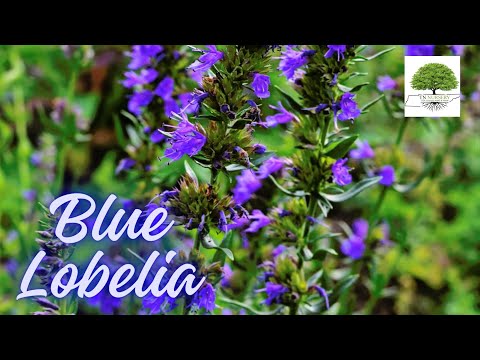


Great Blue Lobelia
The Great Blue Lobelia perennial plants are a must-have for old southern plantations and southern homeowners want them in their shade gardens. Its deep purple blooms and delicate foliage make it a showstopper for flower gardens and beds. The blooms climb the stalks of brilliant green foliage, making them a perfect pairing for the Cardinal flower, also in the Lobelia family.
Bloom Season, Uses and Care
Is Great Blue Lobelia a perennial?

Are Great Blue Lobelia Plants Deer Resistant?
Great Blue Lobelia (Lobelia siphilitica) is considered a hardy, deer-resistant plant. Its slightly bitter foliage and milky sap tend to make it less appealing to browsing animals. In areas with heavy deer pressure, young plants may still need temporary protection until established.
Can Great Blue Lobelia grow in wet soil?
An Image of What Our Great Blue Lobelia Looks Like on Arrival

Customer Reviews
I couldn’t be happier with these Blue Lobelias. They produced gorgeous blooms shortly after planting and have attracted hummingbirds and bees nonstop. Truly a showpiece in the garden.
These Blue Lobelias give my yard a charming wildflower look. Once established, they’ve been very low-maintenance and easy to care for.
I planted these in my pollinator garden, and the butterflies flock right to them. They took a little time to adjust but are thriving now.
The Blue Lobelia adds a stunning touch to my flower bed. They’re still getting established, but when they bloom, the blue really stands out.
The foliage looks strong and green, but I haven’t seen any blossoms so far. I think they’ll need another season before I get the full display.
How tall does Great Blue Lobelia grow?
Great Blue Lobelia typically grows 2 to 3 feet tall with tall spikes of vibrant blue flowers. Its upright form adds height and color to gardens and naturalized areas. It’s a favorite among hummingbirds and butterflies for its nectar-rich blooms.
Where does lobelia grow best?
Lobelia grows best in moist, rich soil with full sun to partial shade. It thrives along pond edges, rain gardens, or shaded flower beds. With steady moisture and light, it produces brilliant blue blooms all season long.
How do you keep blue lobelia blooming all summer?
To keep Blue Lobelia blooming all summer, water it regularly and remove spent flowers to encourage new growth. A light application of fertilizer can boost continuous blooms. With moisture and care, it stays vibrant and full of color through the season.
Exposure
Blue Lobelia flourishes in full sun to partial dye. It prefers bright, indirect light or filtered sun, which helps it grow well and produce vibrant blooms. Ensure it receives adequate moisture for optimal health and flowering.
Height at Maturity
Over 12"
Usage
Pollinator Plant
Shipped As
Bare-root
Ships
USPS
Planting Zones
4-9
How To Grow
How to Grow and Care for Bare Root Perennials, Tubers, and Bulbs
Bare root perennials, tubers, and bulbs are an easy and economical way to jumpstart your garden with lasting beauty. These dormant plants should be planted in early spring or fall while the soil is cool and workable. Before planting, soak bare roots in water for 1–2 hours to rehydrate them. Choose a location based on the plant’s light needs—most flowering types prefer full sun, while others thrive in partial shade.
For bare root perennials, dig a shallow hole and spread the roots out naturally, ensuring the crown is level with the soil surface. For tubers and bulbs, plant with the pointed side facing up at a depth about two to three times their height. Cover with soil, gently press down, and water thoroughly.
Keep soil consistently moist (not soggy) until new growth appears. Add mulch to retain moisture and suppress weeds, but avoid covering the crown or bulb tops. Once established, these plants require little maintenance—just seasonal watering, occasional dividing, and deadheading or pruning as needed. With proper care, they’ll return and thrive year after year.

