Blue Flag Iris Plant Details
Blue Flag Iris (Iris versicolor) – Native Wetland Flowering Perennial
A native perennial of considerable beauty; blue flag iris (Iris versicolor) earns its place in the garden through blue-violet flowers, upright foliage, and a tolerance for moist ground. Elegant blooms appear in spring and early summer, held above slender, sword-shaped leaves, and lend vivid color together with graceful texture to ponds, rain gardens, and wet garden areas. Set this iris in full sun to partial shade, and it will come back dependably year after year.
Why Grow Blue Flag Iris?
Where soil stays consistently moist or wet, this hardy, low-maintenance native contributes height, color, and structure. Its particular value lies in sites where excess moisture defeats many traditional garden plants.
Growing approximately 2 to 3 feet tall, blue flag iris works well at pond edges, along streambanks, and in rain gardens, drainage areas, and low-lying sections of the landscape. Upright foliage supplies vertical interest even when the plant is not in bloom.
Best Soil for Blue Flag Iris Plants
The richest results come from rich, moist soil, although shallow standing water is also tolerated. Healthy growth is possible in clay, loam, and organically rich wetland soils alike, as long as the roots are not left to dry out completely for extended periods.
Plant blue flag iris where the soil stays consistently moist through the growing season for best results. You can improve poor soil with compost, and a light layer of mulch helps keep moisture around the root system.
How Does Blue Flag Iris Grow and Where Should You Plant It?
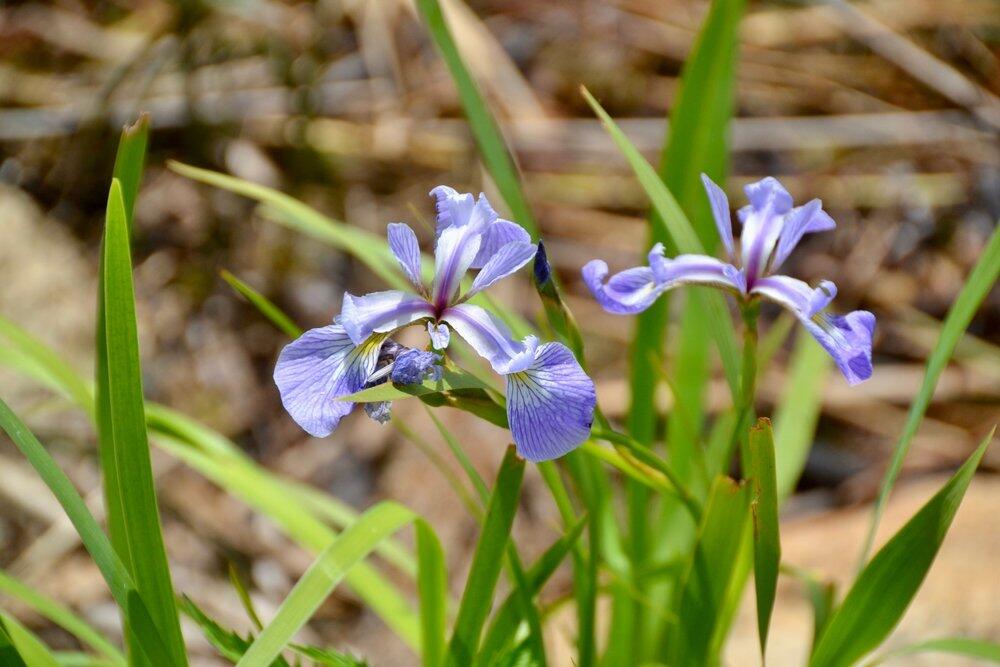
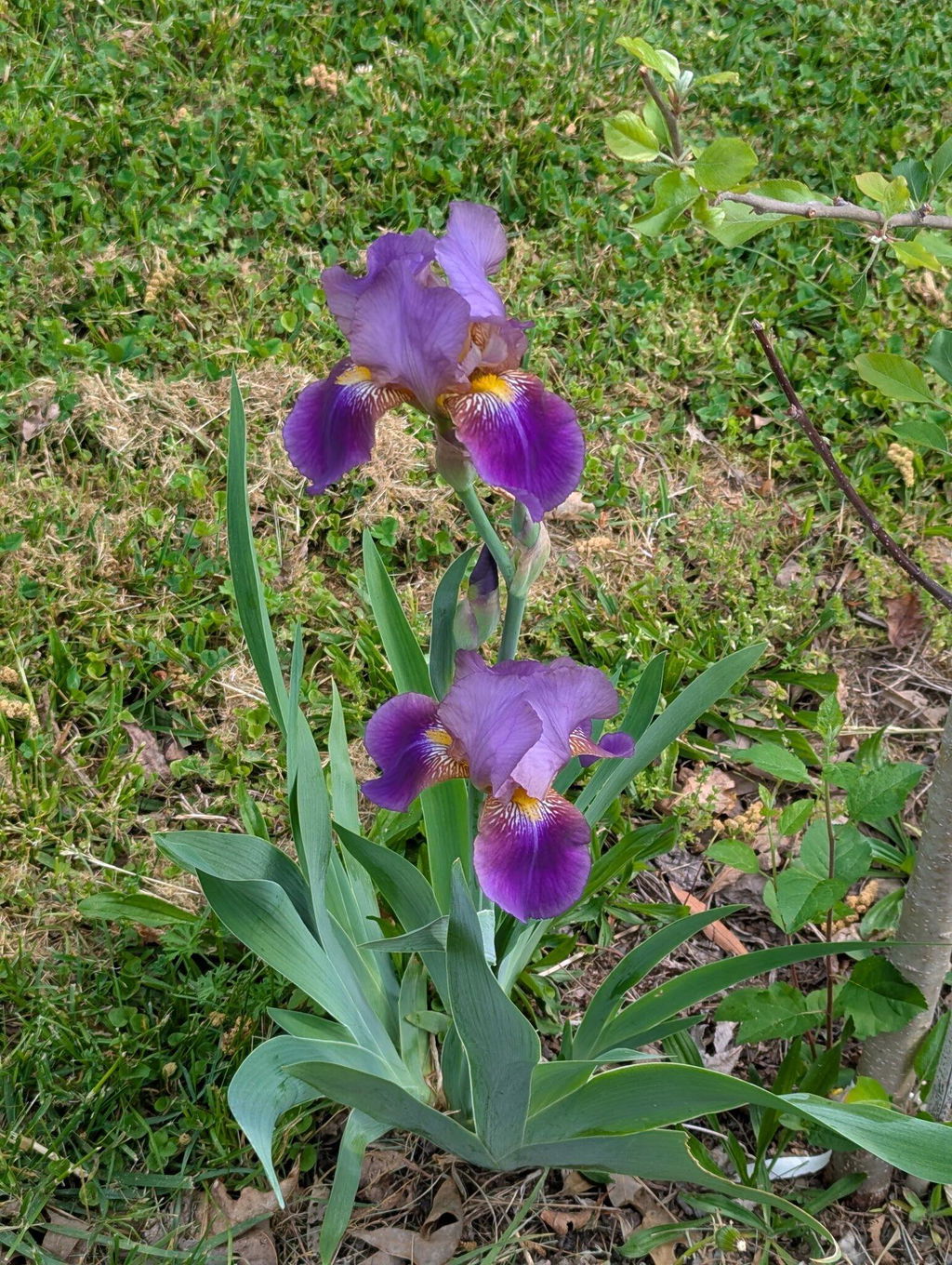
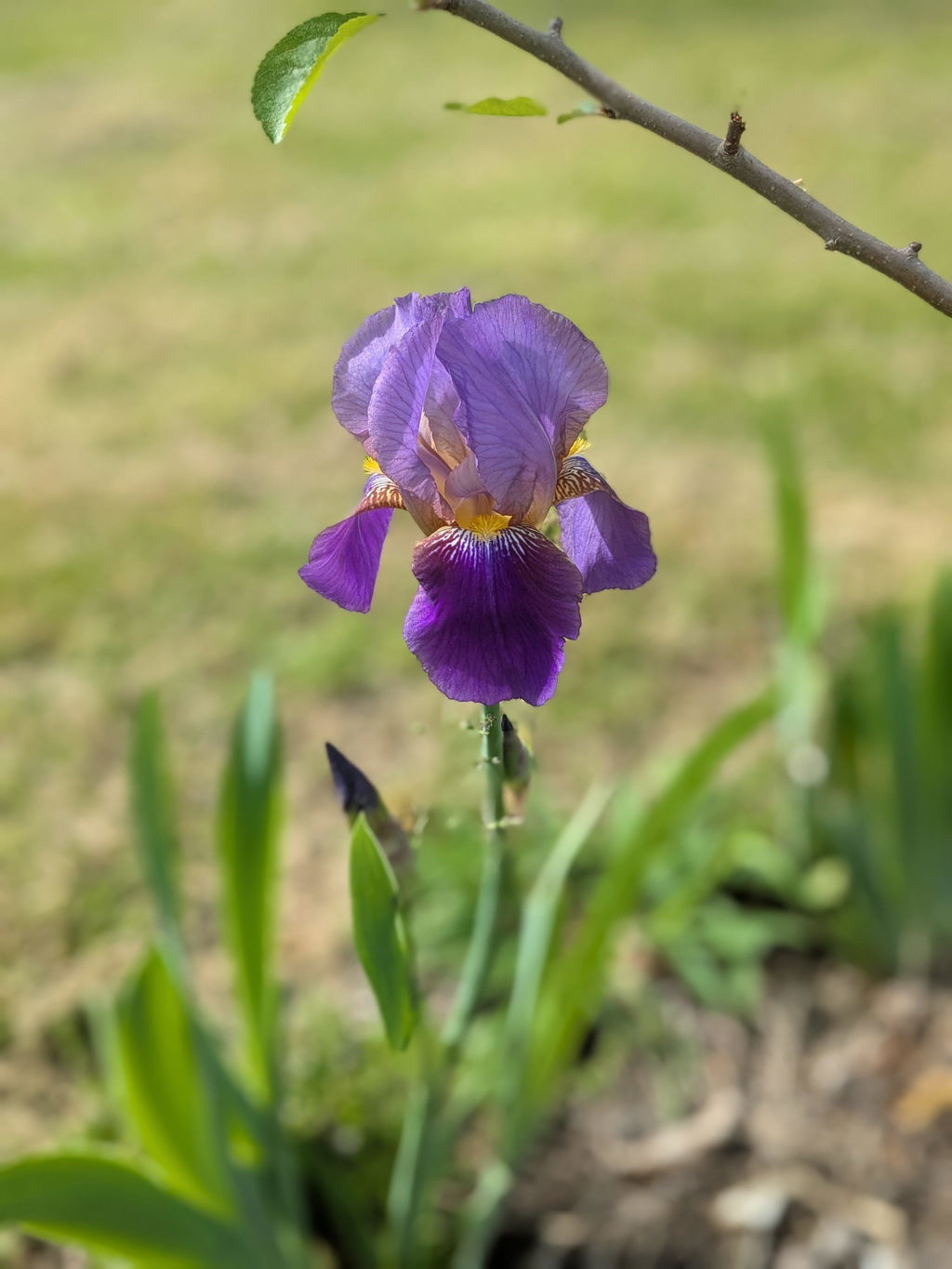
Underground rhizomes gradually spread and form attractive clumps of upright foliage. From mature plants rise tall flower stalks, each topped with striking blue-violet blooms marked with white and yellow accents.
Full sun or partial shade suits this plant. Most flowers come from plants that receive at least six hours of direct sunlight, though filtered afternoon shade is also tolerated without difficulty.
Ponds, streams, wet ditches, rain gardens, and other areas where the ground naturally stays damp are all suitable sites. A container designed for aquatic plants is another option, placed near a pond's shallow edge.
Blue Flag Iris Attracts Pollinators
Bees, butterflies, and other beneficial pollinators are drawn to the colorful flowers. Late spring and early summer blooms serve as a valuable nectar source, and small wildlife finds shelter in the dense foliage.
Native and wildlife-friendly landscapes benefit especially from blue flag iris. When planted near water, its spreading rhizomes and dense root system can also stabilize moist soil along pond edges and streambanks.
How to Plant Bare-Root Blue Flag Iris
Soak bare roots in water for about one hour before planting. Choose a spot with moist soil, then dig an area wide enough for the roots to spread naturally without bending or crowding.
With the roots pointing downward and the crown near the soil's surface, position the rhizome horizontally. Cover the roots, lightly cover the rhizome, and avoid burying it too deeply. After planting, firm the soil gently and water thoroughly.
Allow room for mature clumps to develop by spacing plants approximately 12 to 18 inches apart. For aquatic containers, use heavy garden soil or aquatic planting soil that stays in place underwater.
How to Care for Iris versicolor
Keep the soil consistently moist through the first growing season while the roots establish. Because blue flag iris naturally prefers wet conditions, it performs best when you avoid prolonged periods of dry soil.
Once established, this native perennial needs very little maintenance. You can remove faded flower stalks for a tidier look, or leave the seedpods in place for natural seasonal interest. Cut back old foliage in late fall or early spring, before new growth appears.
If mature clumps become crowded or produce fewer flowers, divide them every three to four years. Divide the rhizomes after flowering or in early fall, and replant them immediately in moist soil.
Why Buy Blue Flag Iris Plants?
For dependable color and upright texture in wet areas of the landscape, blue flag iris is an excellent choice. Showy blue-violet flowers brighten pond edges and rain gardens, and the strong foliage stays attractive all season.
Returning every year, this native wetland perennial supports pollinators and thrives where conditions are too wet for many other plants. With adequate sunlight and consistent moisture, it creates a beautiful, natural-looking display with minimal care.