Blue Hydrangea Shrub Details
Blue Hydrangeas - Hydrangea Macrophylla
These flowering shrubs can truly make all the difference in any garden! The lush green foliage and blue colored flowers can turn an ordinary outdoor space into a magical wonder․ Whether you are an experienced gardener or a beginner floral enthusiast looking to add some beauty and color to your garden‚ blue hydrangeas are a convenient and effective way to beautify your outdoor landscape․ These blankets of flowers are also calming and eye-catching․ This essay will explain the many reasons why blue hydrangea shrubs are a good choice for any gardener‚ including the wide variety of flower colors‚ easy care‚ and their compatibility with different types of landscaping․
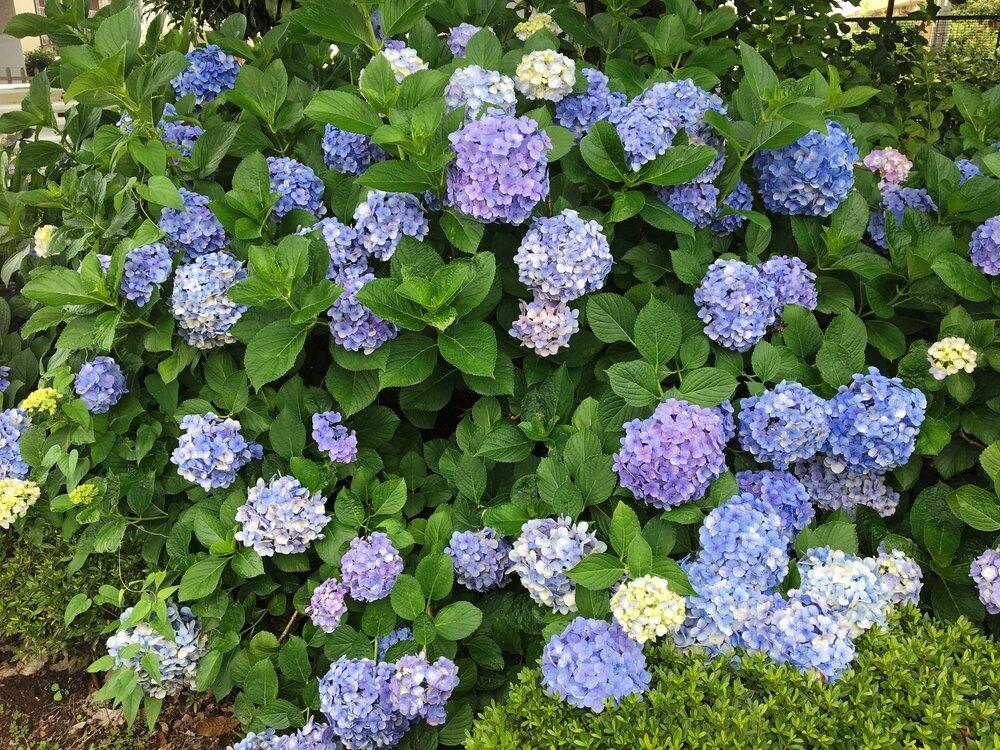
The different colors of the blooms are one of the most interesting characteristics of blue hydrangeas
While almost all blue hydrangeas are blue‚ the shade of blue can vary due to soil acidity and a few other growing conditions․ One interesting factor when it comes to soil acidity is the fact that acidic soils cause the most vibrant and deep blues in a flower's appearance․ On the other hand‚ neutral and alkaline soils cause the flower to be more purple or pink in appearance․ Both variables allow for garden design and altered color due to changing soil types․ So if you want to add a little color to your garden area's landscape with a flower that could change with the seasons‚ blue hydrangeas are certainly a great option․
Blue hydrangeas provide eye-catching flowers and are tolerant of many conditions and are largely pest- and disease-free
It is also the case that many flowering plants are subject to insect and disease pressures and require horticultural treatment․ Blue hydrangeas are more tolerant of these pressures and require less maintenance․ With tough leaves and stems that will repel any of the more common garden pests‚ such a flower is ideal for any gardener novice or experienced‚ since the plants will not need the constant spraying of insecticides‚ and insect damage to the plants is much less likely․ Choosing a blue hydrangea means you will have a beautiful landscape feature that requires little work to maintain․
Blue hydrangeas can be used in different ways in landscape design
With their showy flowers and bushy habit‚ they can be used to establish a strong garden edge‚ or as a backdrop for smaller‚ more delicate plants․ Blue mophead hydrangeas tolerate both sun and partial shade․ This makes them suitable for all styles of designs‚ from the neatly manicured to the more naturalistic gardens․ They are often used to soften paved areas‚ for example‚ the edges of walkways and patios․ They can also make a garden feel lusher․ Their versatility has established them as a preferred choice for landscape designers and homeowners who wish to create vibrant outdoor environments․
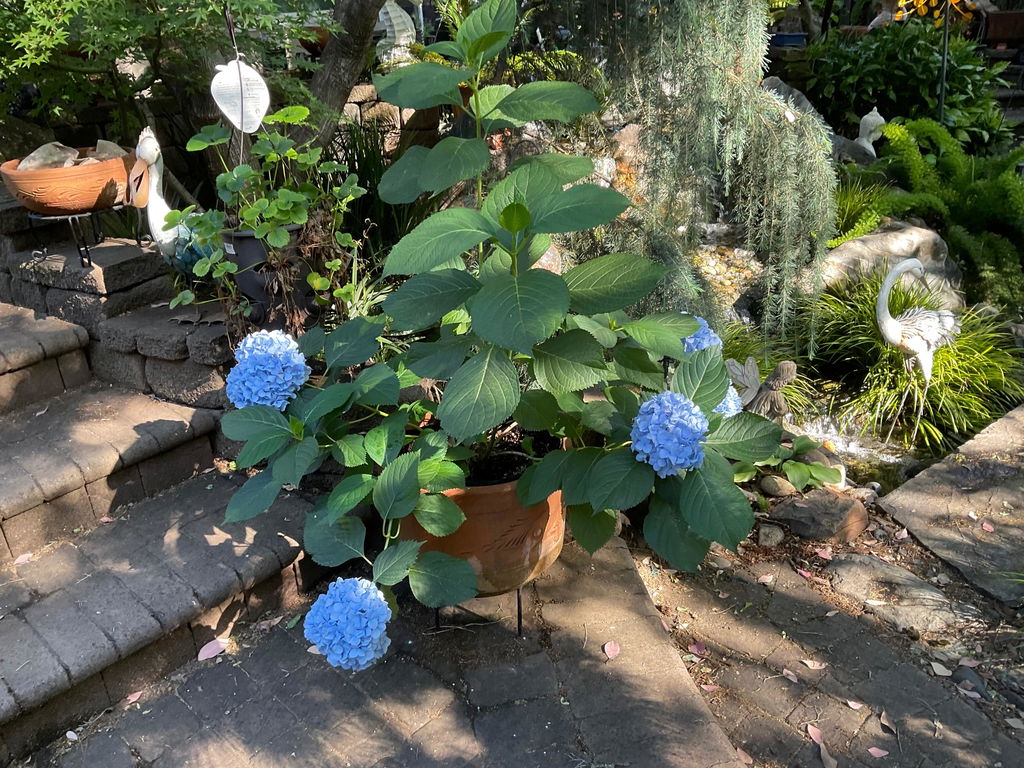
They can also be grown in potted conditions‚ allowing people who lack a garden or have very little space for a garden to grow their own blooming plants․ These hydrangea shrubs adapt well to container gardening and can be grown in patios‚ balconies and even inside homes in lit pots․ Their colors shift between blue and violet hues depending on soil pH․ Blue and violet hydrangeas grown in containers allow for flexibility to rearrange and change a room whenever you want to create a new mood or season․ If well cared for‚ with watering and occasional fertilization‚ the hydrangea can still bloom beautifully in a container‚ and is ideal for those with little room․ The tolerance of hydrangeas in containers allows for creative displays in gardens and other settings․
Blue hydrangea shrubs are beautiful‚ versatile and low-maintenance
With a variety of colors and resistant to infestation‚ hydrangeas are a perfect addition to any garden․ They are relatively easy to grow‚ and they look great in any landscape․ Whether you are looking to achieve the look of a blue hydrangea garden‚ or if you are looking to achieve a lovely container planting of blue hydrangeas‚ it is already a given that you are going to love them․ By adding them to your home‚ you are not just adding a shrub‚ but years of enjoyment․ So‚ why not let your garden blossom with the grace and charm of hydrangeas‚ and become your own personal sanctuary of natural beauty?