Lynn Bean
Bare root plants arrived in good shape

10 Hummingbird Plants
Ships Now
4-8
Over 12"
Low
Full sun
Summer
Water Hummingbird Plants weekly during the first season, then during dry spells. Plant in well-drained soil, mulch with shredded leaves, trim spent flower stems after bloom and cut perennials back in late winter.
Hummingbird plants flourish in complete sun to part shade. They need at least 6 hours of sunlight daily for optimal blooming but can tolerate some afternoon shade in hotter climates.
Grower's-choice mix of nectar-rich perennials , Hummingbird feast from the flowers, Blooms from spring into fall
Lynn Bean
Bare root plants arrived in good shape
Pamela LASSITER
10 Hummingbird Plants
Brad Wright
Will see what happens next spring and summer when they bloom
About this plant
Hummingbird plants are flowering perennials with tubular, nectar-rich blooms in red, orange, pink, purple and blue that hummingbirds feed from. The TN Nursery 10 Hummingbird Plants package is a bare-root, grower's-choice mix of 10 hummingbird-friendly plants for USDA zones 4–8, hand-selected from what is fresh and ready at our nursery to bloom from spring into fall.
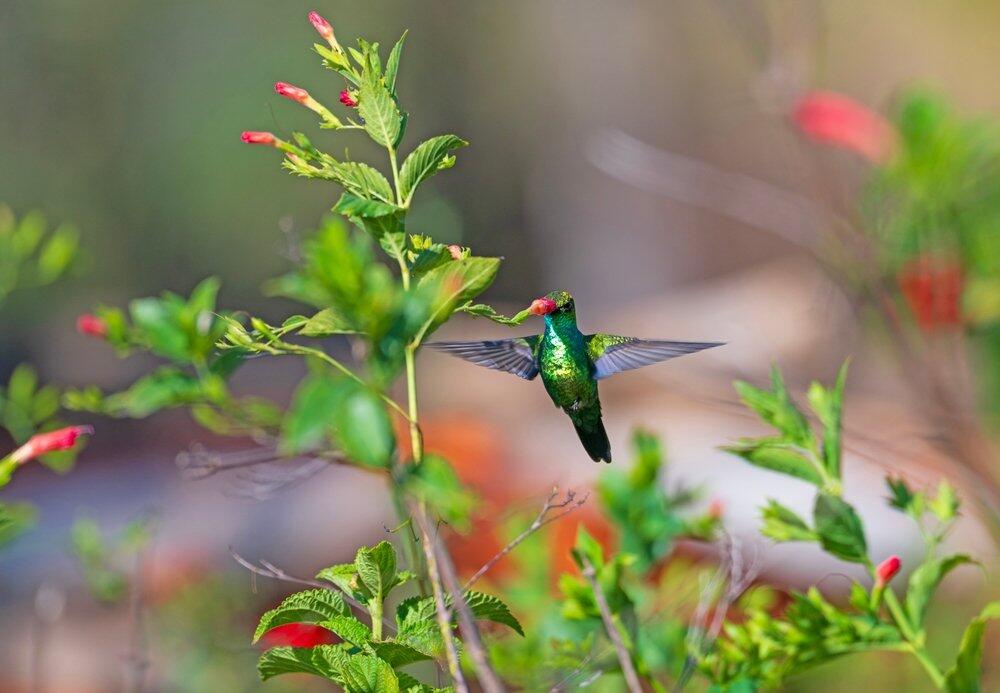
Hummingbirds find food by sight, not smell, and they favor long, tube-shaped flowers in bright colors that match the length of their bills. In the eastern United States, the ruby-throated hummingbird arrives in March and April and stays until September or October, so the best hummingbird garden offers nectar flowers in every one of those months. This 10-plant package gives you a ready-made start: a mix of nectar plants that fills a small bed or border and keeps hummingbirds, bees and butterflies coming back all season.
The 10 Hummingbird Plants package is a grower's-choice mix: our team picks 10 hummingbird-friendly plants from the healthiest, best-rooted stock in the nursery at the time your order ships. Every package is chosen for nectar-rich flowers, strong roots and a spread of bloom times.
Because we pack from what is at its peak in the nursery, each mix is fresh and garden-ready, and gardeners who order more than once often enjoy a new combination of colors each time.
| What our growers look for | Why it matters for hummingbirds |
|---|---|
| Tubular, nectar-rich flowers | Match the long bill and tongue of the hummingbird |
| Bright red, orange, pink and purple colors | Hummingbirds spot flowers by sight from the air |
| A spread of spring, summer and fall bloomers | Keeps nectar available from arrival in spring to fall migration |
| Strong, well-rooted bare-root plants | Settle in quickly and return every year |
The best plants for hummingbirds have tubular, brightly colored flowers that hold plenty of nectar, especially red and orange blooms that face outward or hang downward where a hovering bird can reach them.
Hummingbirds feed every 10 to 15 minutes during the day, visiting hundreds of flowers, so a garden with many blooms open at once becomes a regular stop. Flowers with long throats hold more nectar than flat, open blooms, and plants that rebloom or flower for weeks at a time keep the feeding station busy. A mix of heights also helps: taller spikes catch the eye from across the yard, and lower plants fill the front of the bed.
Plant a hummingbird garden in a sunny spot that gets at least 6 hours of light a day, group plants of the same kind in clusters of 3 or more, and set taller plants at the back of the bed.
Clusters of color are easier for hummingbirds to spot from the air than single plants scattered around a yard. A bed about 6 by 8 feet holds all 10 plants with room to grow. Place the bed where you can watch it from a window or patio, so you can enjoy the visitors all summer.
Hummingbird plants bloom from spring through early fall, and a mixed package spreads that color across the season so hummingbirds find nectar from their spring arrival to fall migration.
Bare-root perennials planted in fall or early spring settle in during the first season and bloom fully in their second summer, then return bigger and fuller every year. Keep a shallow birdbath or mister nearby, and the garden becomes a favorite stop for hummingbirds through the whole season.
Yes. Hummingbird plants also feed native bees, bumblebees, butterflies and moths, so one hummingbird garden supports a wide range of pollinators.
Many hummingbird flowers are favorites of swallowtail butterflies and bumblebees, and seed heads left standing in fall feed goldfinches and other songbirds. Add more nectar plants from our pollinator plants and birding plants collections to extend the season.
Package: 10 bare-root hummingbird plants, grower's-choice mix
Plant Types: Nectar-rich perennials
Ships: Bare root
Planting Zone: 4–8
Height at Maturity: Varies by plant, most 1–4 feet
Spacing: 12–18 inches
Sun or Shade: Full sun to part shade
Water Needs: Moderate; water weekly the first season
Soil: Average to rich, well-drained garden soil
Bloom Season: Spring through early fall across the mix
Flower Colors: A colorful mix of reds, oranges, pinks, purples and blues
Care: Cut spent flower stems after bloom for a tidy bed, mulch with shredded leaves, and cut perennials back in late winter before new growth.
Plant Attributes: Hummingbird plants, pollinator plants, butterfly plants, long bloom season
Red and orange flowers attract hummingbirds the most, followed by pink and purple tubular blooms.
The hummingbird plants package includes 10 bare-root plants, hand-selected by TN Nursery growers from the in-stock plants at their best when your order ships.
The 10 Hummingbird Plants package is suited to USDA hardiness zones 4 through 8.
Plant bare-root hummingbird plants in fall or early spring while the plants are dormant, so the roots settle in before summer bloom.
Most hummingbird plants bloom best with at least 6 hours of sun a day, and many also grow well in part shade.
Yes. The plants in the 10 Hummingbird Plants package are perennials that come back every year.
TN Nursery has grown hardy plants since 1959, more than 65 years of experience, and has supplied plants to major U.S. landmarks like the Washington Monument and Arlington National Cemetery. At our Altamont, Tennessee nursery, our growers hand-select each 10 Hummingbird Plants package from the nectar plants that are at their best that week, then dig and pack the plants bare root so they arrive fresh and ready to plant. For more ideas, read What Plants Attract Hummingbirds to Your Garden, How To Attract Hummingbirds To Your Garden and A Hummingbird's Favorite Color on our garden blog.

Since 1959, TN Nursery has grown and shipped quality bare root plants nationwide. Shipped during dormancy, bare-root plants develop strong root systems and establish quickly. Our experienced team carefully harvests and packages every order, providing growers with trusted plants backed by over 65 years of nursery experience.
Learn More About
Bare root trees
Attract Hummingbirds:
These plants naturally attract hummingbirds, providing a captivating and dynamic display in your garden. Enjoy the beauty and activity of these fascinating birds up close.
Support Pollinators:
By providing a natural source of nectar, these plants support local ecosystems and promote the health of pollinators. Help sustain hummingbird populations and other beneficial insects.
Easy to Grow:
Hummingbird Plants settle in quickly from bare roots and return every year, making them a great choice for gardeners of all experience levels.
Versatile Planting Options:
These plants thrive in sunny beds, borders, cottage gardens and native plantings, and many also grow well in part shade.
Fall Digging
Spring Digging
Packing Orders
Customer Unboxing Video
“The flowers are absolutely beautiful and have such a unique shape. Very happy with this purchase!”
The 10 Hummingbird Plants package I purchased arrived in great shape. The plants were mature, well rooted, and are now thriving in my garden beds.
The 10 Hummingbird Plants I ordered were affordable and exceeded expectations. Every plant was lush and healthy, and they are already attracting hummingbirds to my yard.
The 10 Hummingbird Plants package from TN Nursery was exactly what I needed. The plants were strong, healthy, and easy to transplant. They are thriving beautifully.
TN Nursery shipped my 10 Hummingbird Plants quickly and securely. Each plant arrived fresh and full of life. Within weeks, I noticed hummingbirds enjoying the blooms.
I purchased the 10 Hummingbird Plants set and was impressed with the quality. All plants were healthy and strong. They have added gorgeous color and life to my yard.
The 10 Hummingbird Plants I received were carefully packaged and arrived fresh and green. After planting, they adjusted quickly and I have already seen hummingbirds visiting.
I ordered the 10 Hummingbird Plants from TN Nursery and they arrived in excellent condition. Each plant was well rooted, vibrant, and ready to thrive. They are already attracting hummingbirds to my garden.
Milkweed and 2 of the coneflowers look good. Hope the grow
The plants arrived quickly with great communication about delivery status. They were very healthy. Will order again.
Bare root plants arrived in good shape
10 Hummingbird Plants
Will see what happens next spring and summer when they bloom
This was my first purchase from Tennessee Nursery, and I'm very pleased. The web site, shipping, and planting directions are all parts of a nice product. While the young plants haven't had a chance to grow yet, but I'm looking forward to spring when they really come alive!
TN has been a great place and a helpful bunch of people to do business with.
All plants were individually packaged in moist soil and identified clearly. All apoear healthy .Customer service was very helpful and responsive to my concerns.
Thanks so much for your review Barbara, we love getting feedback about our plants and take pride in our customer service. Please get in touch if there is anything else we can do to make your day.
These plants arrived in great condition. I was able to work with them right away and I can't wait to see them grow for years to come.
Waiting and Hoping for the weather to clear
These plants are best for garden lovers who wants to transform their space as haven for birds. I enjoyed every time I hear chirping of birds around. I never regretted my purchase at the TN nursery on these varieties. Thank you so much.
My garden would surely be transformed to a wonderful play area for birds especially when this hummingbird plant finally blooms. I get hold all of my purchase right away . I appreciate its safe handling. till it arrives in my doorstep.
Thank you so much
We’re really grateful and appreciate you taking the time to share your rating with us, Abigail. We hope to see you shopping with us again!