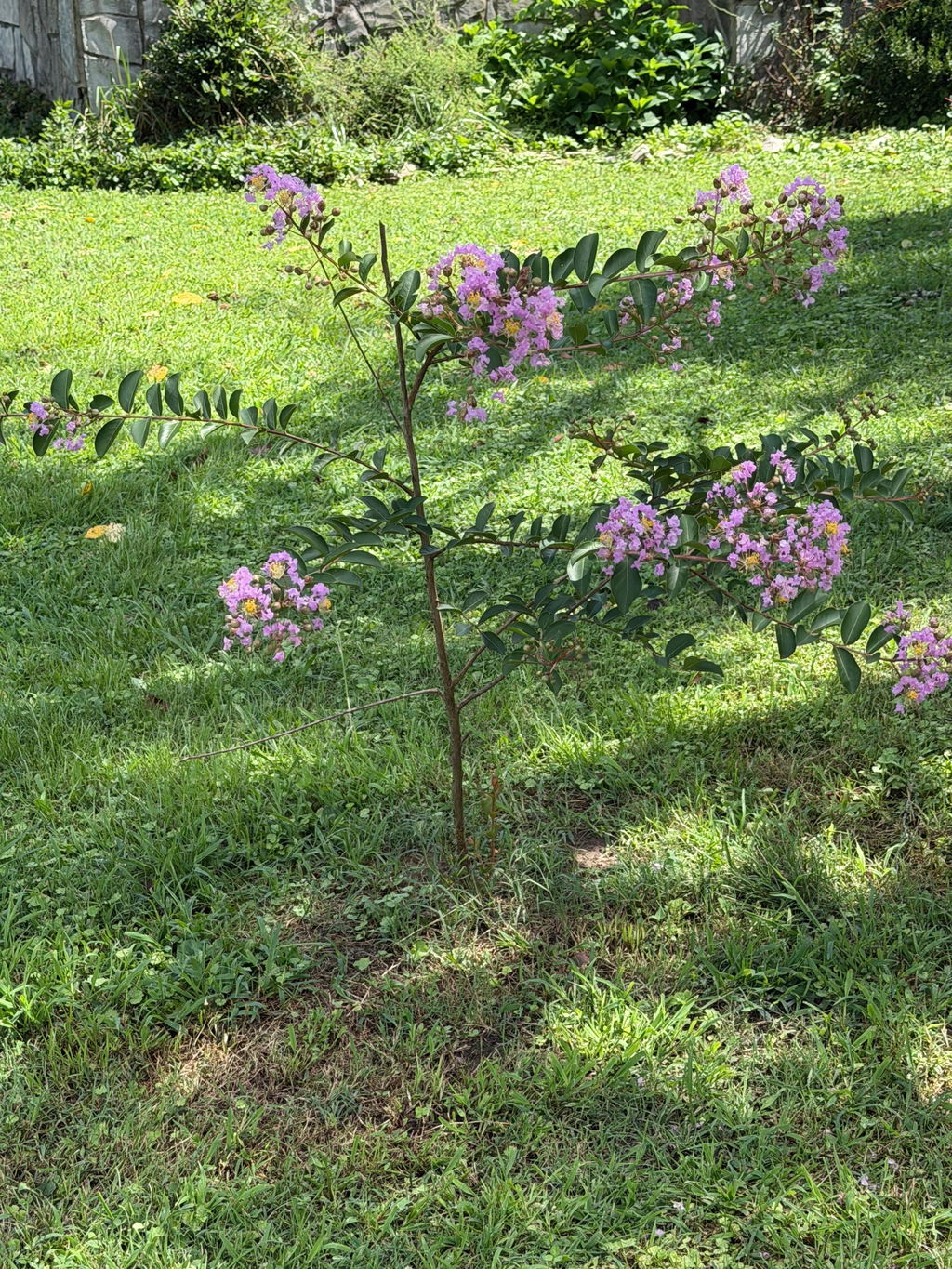
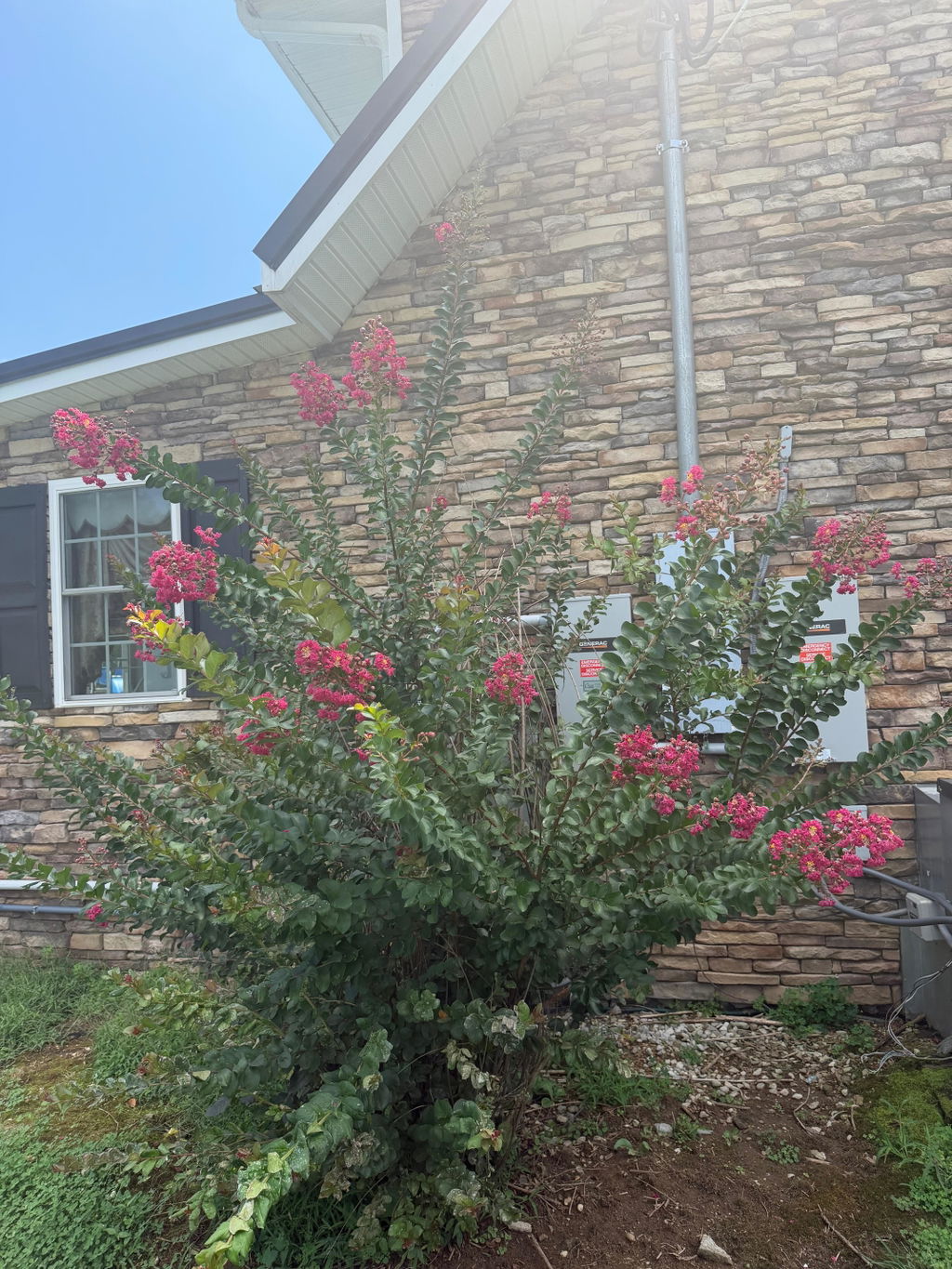
Crepe Myrtle Tree Details
Crepe Myrtle Trees Are One of Summer's Last Blooming Trees
Crepe myrtle trees are stunning and beautiful ornamental trees‚ and they provide a lot of variety and color to any landscape․ They originated in Asia‚ but they have been seen growing all over the United States‚ especially in the areas that are warm enough for them․ Beyond the range of lavender to pure white‚ crepe myrtles have become one of the favorite plants of many landscapers and suburban homeowners․ Their blooms are beautiful and lend an air of gracefulness to any yard․ Whether you are looking for a tree that makes a bold statement or one that is simply more subtle‚ these trees will do․
Natchez Crepe Myrtle
A particularly impressive cultivar is the white crepe myrtle‚ 'Natchez'‚ which has smooth‚ light-colored bark‚ pale green foliage‚ and soft white flowers‚ all of which contrast nicely․ The flowers are borne in profusion and range sometimes from a dazzling highly ornamental white color to a slight bit of pink coloration․ The shrub also has pretty summer flowers and golden leaves that fall in autumn‚ adding these aspects to the tree's appeal for gardens․ This variety of tree is a popular choice in landscape gardening‚ being planted as either a single specimen to create a centerpiece at the center of your yard‚ or in groups to create a cascading effect․ However‚ because of its height and simple beauty‚ the Natchez white crepe myrtle is also a favorite tree for many․
Tuscarora Pink Crepe Myrtle
Unlike Natchez‚ the Tuscarora pink crepe myrtle has very bright and vibrant colored flowers․ The flowers are pink and large‚ forming a cluster of bright pink flowers on the shrub․ This variety grows well and in many different soil and environmental conditions․ Tuscarora has become a popular tree among gardeners for its fast growth and height potential of 25 feet (7․6 meters)․ Tuscarora makes an interesting addition to a row of flowering trees‚ lining a driveway‚ or within a park․ Its large glossy green leaves present the tree's brightly colored flowers to the viewer‚ making it an especially eye-catching tree․ The flowers‚ which bloom well into summer can‚ as is typical of all the pink flowers‚ range in color from paler pinks through to electric fuchsias and pinks․
Dynamine Red Crepe Myrtle
The Dynamite red crepe myrtle is a lovely shrub or small tree․ This one's full of bright red flowers in a Mississippi front yard․ This plant is suitable as a garden shrub or street tree for those that want a big‚ bold shrub in the garden․ The Dynamite variety is sometimes planted for color contrast․ Mixing the Dynamite variety with white flowering varieties creates an attractive display; their flowers are eye-catching at summer picnics and pleasant against a backdrop of a setting sun․ It's a hardy‚ tough‚ and sturdy plant that will be a great addition to any outdoor space‚ adding a sense of life and beauty for those looking for that extra dose․
Muskogee "Lavender" Crepe Myrtle
Like any other shade of crepe myrtle‚ the Muskogee lavender crepe myrtle can grow to great potential․ The lavender flowers also create a light cloud of color over the tree's foliage in the summer months․ The Muskogee has a pleasant smell‚ which the winds exchange and spread into the air․ Because of its height‚ the tree (Muskogee) is a wonderful tree to be planted in larger gardens․ The Muskogee can reach up to 30 feet in height and its branches provide a beautiful shaded canopy for the underbush․ Its light flowers‚ with a backdrop of dark green foliage‚ make it a beautiful and peaceful place to hang out․
Lagerstroemia Is The Latin Name for Crepe Myrtle Trees
A landscaping scheme will have a larger variety of looks if it is based on the crepe myrtle as the trees look more dressed when viewed in groups or rows․ With the large variety of forms and sizes of trees to choose from crepe myrtles can easily be used as border or privacy plants or as focal points․ Other flowers may be combined to create interesting floral arrangements․ A planting of crepe myrtles with different colors‚ properly spaced‚ may serve as an attractive display and attract butterflies and hummingbirds to their nectar-rich flowers․ In the summer‚ their colorful blooms stand out against the various shades of garden greenery and are often the center of attention in the landscape in which they are found․
Often Blooms Stay on Trees For Upto 2 Months
Crepe myrtle trees have long lasting beauty with summer blossoms‚ fall foliage‚ and winter displays of attractive branches and trunk forms․ Crepe myrtle trees are hardy and versatile with many variations‚ such as flower color which can include purple‚ red‚ pink and white‚ in flower clusters or clusters of panicles in large clusters․ The crepe myrtle tree can add a warm and charming touch to any garden or yard․ With so many options available you should have no problem creating a colorfully attractive landscape to bring the interest of many‚ as well as bloom throughout the year․
Known for their long-lasting summer blooms, these versatile plants bring vibrant color to gardens, yards, and public spaces during the hottest months when many other plants have stopped flowering.
Their show-stopping clusters of blossoms brighten outdoor areas and attract pollinators, such as butterflies and bees, making them a beautiful and ecologically valuable choice for homeowners.
Crepe Myrtles are highly adaptable and low-maintenance
Crepe Myrtle is hardy and grows well in various soils, tolerates drought once established, and performs exceptionally well in full sun. Many gardeners choose these for their fast growth and ability to provide shade and ornamental appeal quickly.
Their graceful, vase-shaped form pairs beautifully with their multi-season interest. After the summer flowers fade, they display rich autumn foliage in shades of orange, red, and yellow, extending their beauty well into fall.