Water Lily Plant Details
Water Lily Plant, Nymphaea – Colorful Perennial Pond Plant
Prized for its floating green leaves and showy flowers, the water lily plant (Nymphaea) is a beautiful aquatic perennial. Water lilies add long-lasting color, texture, and natural beauty to ponds, water gardens, and other calm freshwater features. Plant them in a sunny spot to enjoy an elegant display year after year.
Why Grow Water Lilies?
These hardy, low-maintenance pond plants offer beauty while supporting a healthier aquatic environment. By limiting the sunlight that reaches the water, their broad floating leaves may help discourage excessive algae growth; they also shade the water and offer shelter for fish.
Backyard ponds, container water gardens, and larger water features are all ideal settings for these graceful plants. Once established, a water lily spreads across the water's surface, creating a colorful, peaceful focal point.
Best Soil for Water Lily Plants
Heavy garden soil or clay-based aquatic soil is where water lilies grow best. Because materials such as peat, bark, or perlite can float out of the container and cloud the water, avoid lightweight potting mixes that contain them.
Plant the water lily rhizome around a water garden feature, in a wide aquatic planting basket, or in a container. To help hold everything in place, cover the soil with a thin layer of mulch or pea gravel, but keep the growing tip of the rhizome uncovered.
How Do Water Lilies Grow and Where Should You Plant Them?
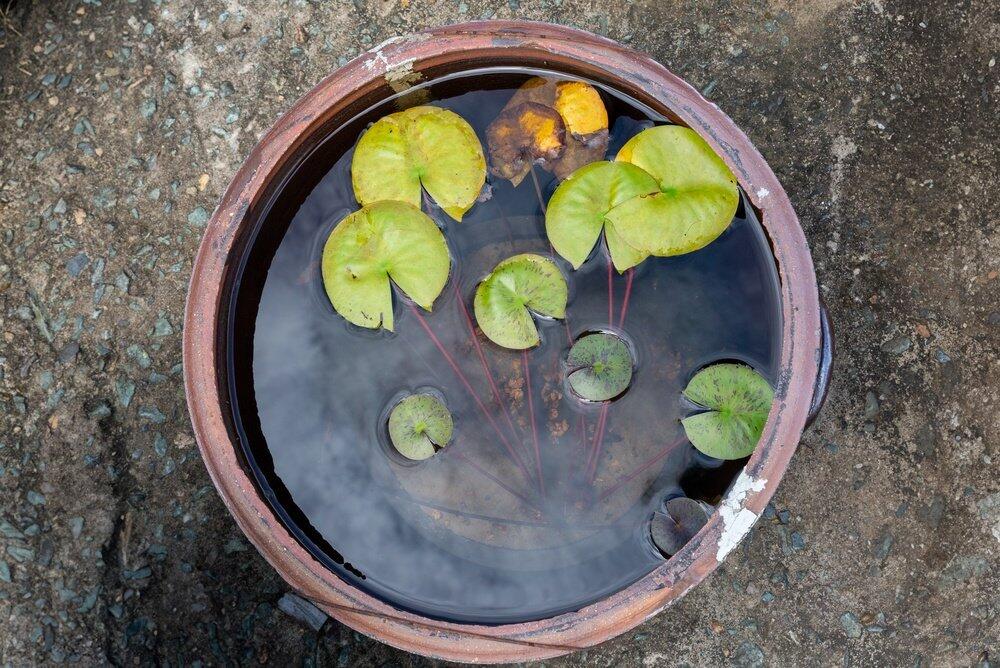
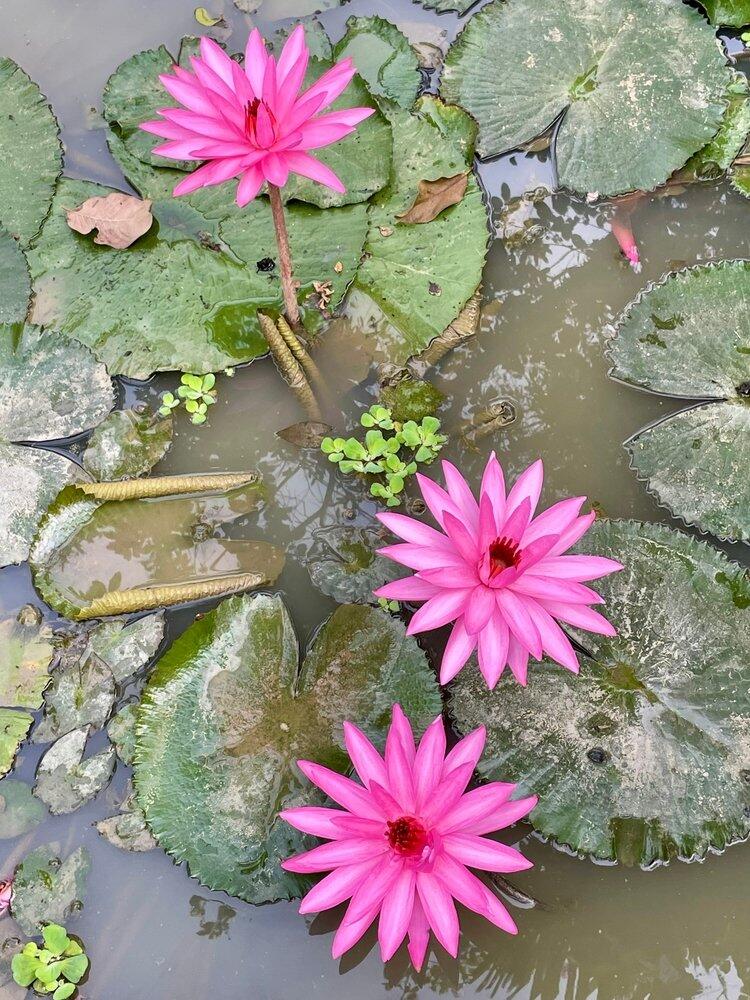
When planted in soil at the bottom of a pond or in a submerged container, water lilies grow from underwater rhizomes. Rounded leaves that float on the surface are produced by long stems rising through the water. Throughout the warmer months, the flowers appear just above the water, creating an impressive display.
For the best flowering, choose a spot that gets about six hours of direct sunlight daily. Keep water lilies away from fountains, waterfalls, and strong pumps that continuously splash their leaves, since they prefer calm or gently moving water.
Place the planted container approximately 6 to 12 inches beneath the water's surface to begin. You can gradually lower the container to the recommended depth for the variety as the leaves reach the surface and the plant becomes established.
Water Lilies Provide Shelter for Fish and Aquatic Wildlife
Water lily leaves create cool, shaded areas where fish and other small aquatic animals can shelter from direct sunlight and predators. Bees, butterflies, dragonflies, and other beneficial pollinators may also be attracted to their flowers.
Both beautiful and useful, the water lily plant combines floating foliage with colorful blooms. Its leaves help create a balanced pond environment, while its flowers add a classic, peaceful look to any water garden.
How to Plant a Bare-Root Water Lily
Fill a wide aquatic container with heavy garden soil or aquatic planting soil. With the growing tip pointing upward and toward the center of the container, place the water lily rhizome at a slight angle. Leave the crown, or growing tip, exposed, and cover the roots and most of the rhizome with soil.
Without covering the growing tip, add a thin layer of substrate soil. Slowly lower the container into the pond, so the young leaves sit near the water's surface. As the stems grow, gradually increase the planting depth.
How to Care for Water Lily Plants
Once established, water lilies require very little maintenance. Remove yellowing leaves or faded flowers as needed. If the plant becomes crowded or produces fewer flowers, divide the rhizome in early spring.
In warm weather, water lilies grow vigorously and naturally enter dormancy when temperatures drop. Where the rhizome remains below the freezing line, hardy varieties can overwinter in ponds. In shallow ponds or colder regions, you may need to move the container to deeper water for winter protection.
Why Buy Water Lily Plants?
When you want to add color, shade, and natural beauty to a pond or water garden, water lilies are an excellent choice. Their striking flowers turn an ordinary water feature into a peaceful garden centerpiece, while their floating leaves shelter fish.
When planted in suitable conditions, these perennial pond plants return year after year. With ample sunlight, calm water, and the right planting depth, water lilies provide dependable foliage and beautiful seasonal blooms with minimal care.