Caitlin Funston
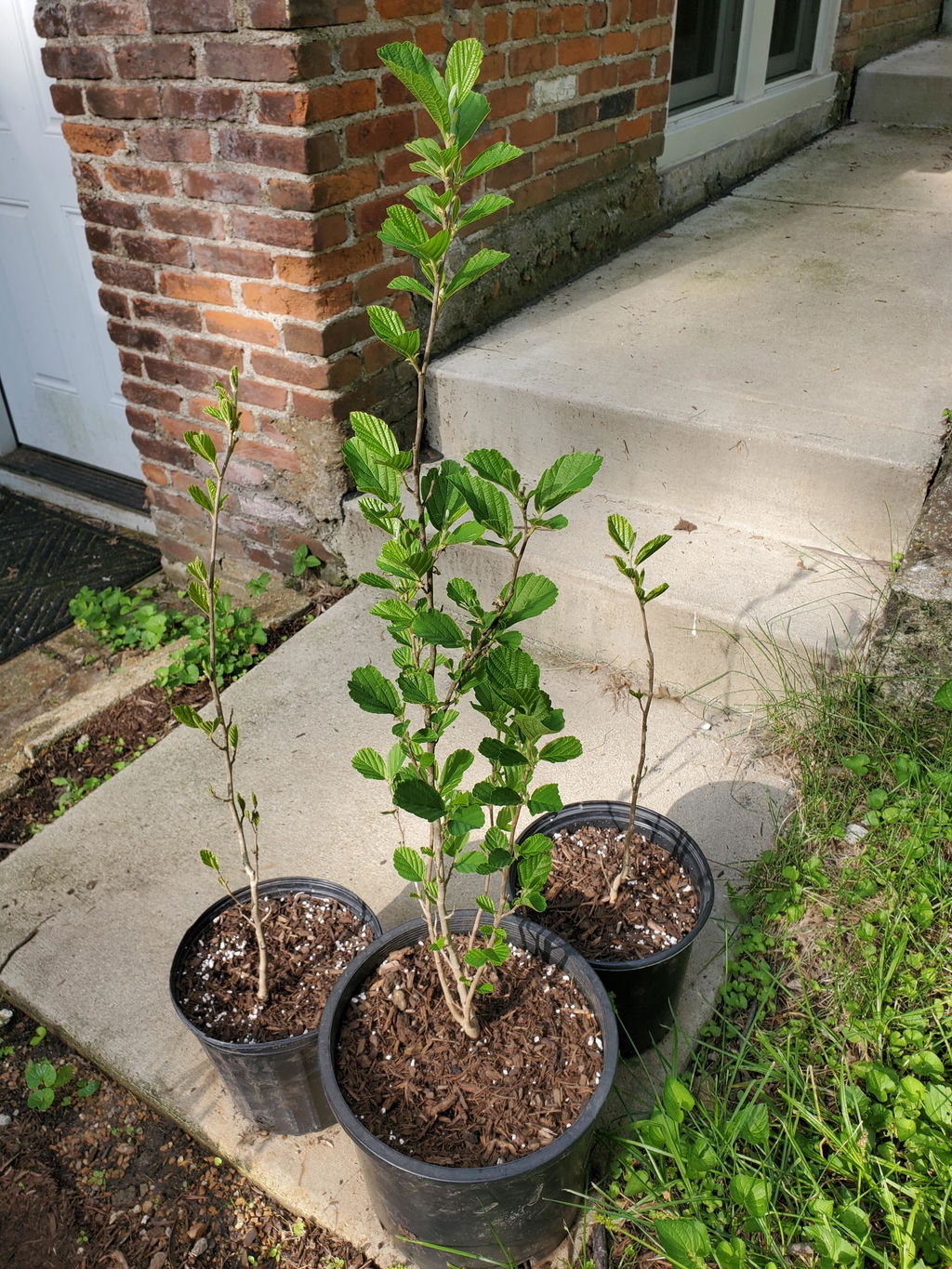
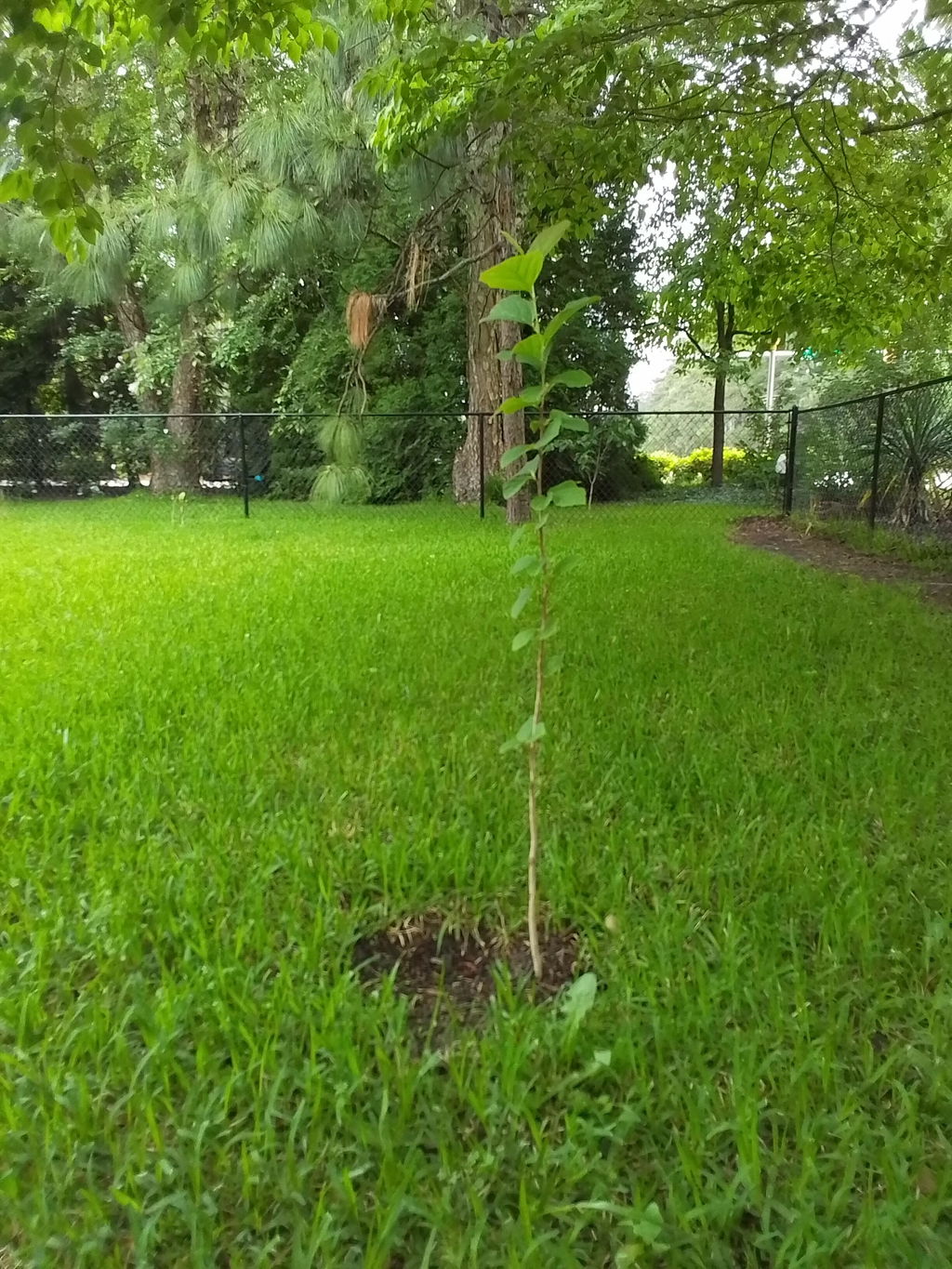
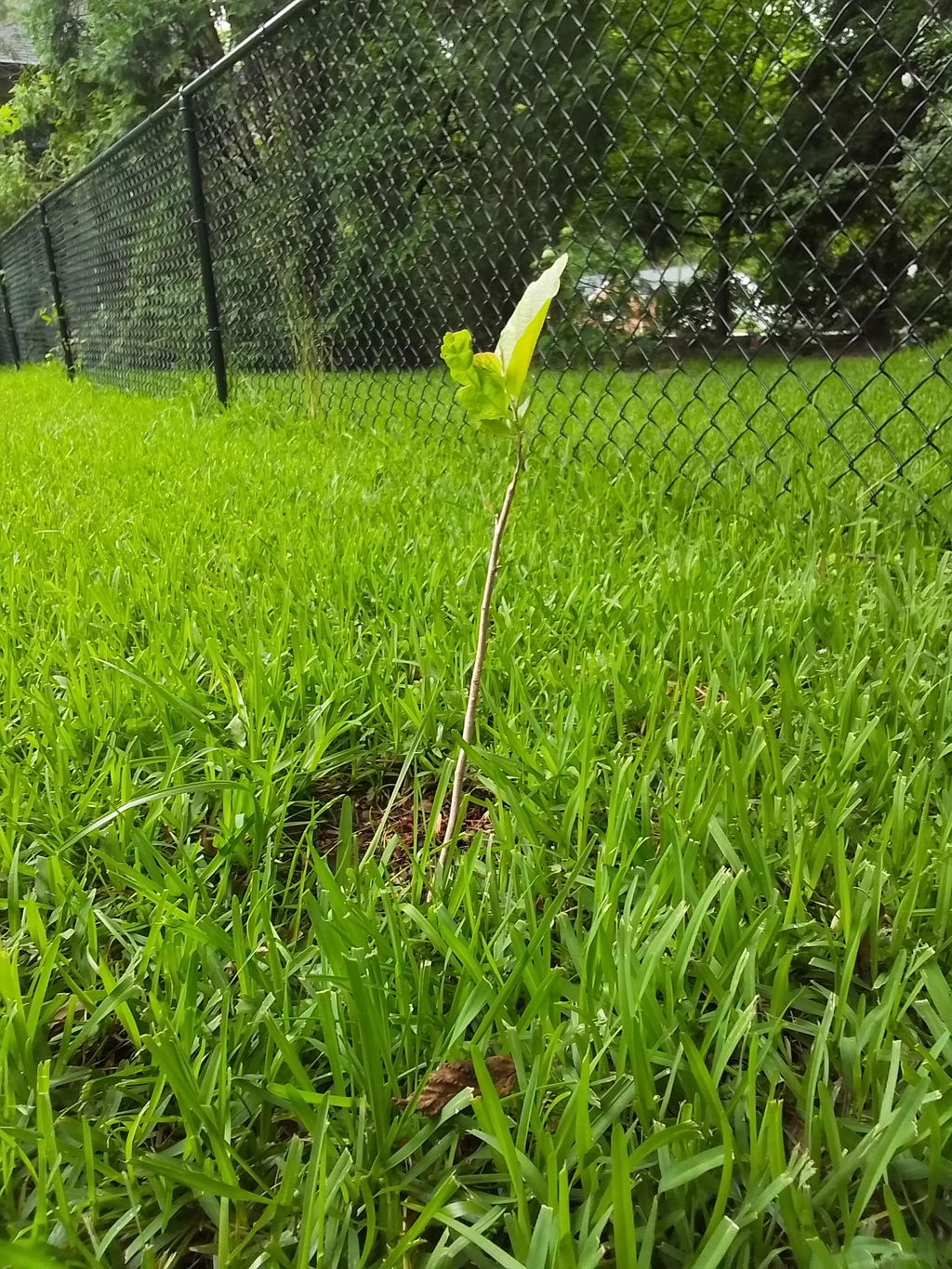
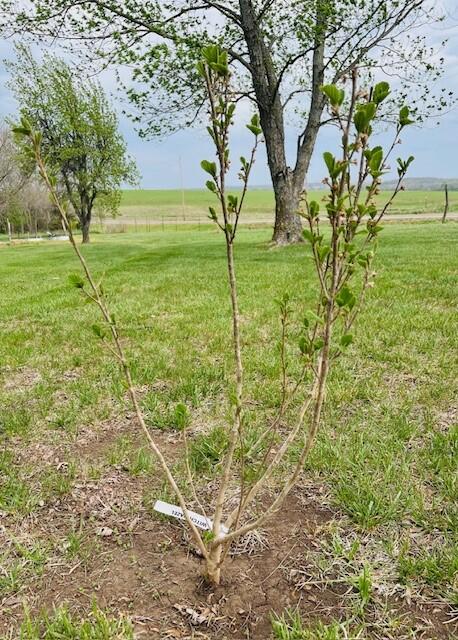
I got my dormant Witch Hazel bare root plants in early May in zone 7a. Planted them up in pots and they are thriving. Can't wait to put them in the ground this fall and watch what they do this coming winter!

Witch Hazel
Ships Between November 15-29
3-8
15-20 ft tall and about as wide
Low and Moderate
Full sun and Partial shade
October to December
Witch hazel thrives in moist, well-drained soil and benefits from regular watering during dry spells. Prune in late winter or early spring to shape the plant. Spread a balanced fertilizer in early spring to support healthy growth and blooming.
Witch Hazel thrives best in partial shade to full sun. It prefers dappled sunlight, especially in hotter conditions, but can endure full sun in cooler regions. This versatile shrub adapts well to various light conditions, making it easy to grow.
Beautiful vibrant fall foliage , Easy to grow and maintain, Hardy and adaptable
Caitlin Funston
I got my dormant Witch Hazel bare root plants in early May in zone 7a. Planted them up in pots and they are thriving. Can't wait to put them in the ground this fall and watch what they do this coming winter!

Lee M
I ordered 2 h.w., barefoot. Hardy specimens and TN Nursery tossed in 3rd little tree. My comment is that all 3 are growing strong in morning sun z And afternoon sun. Looking forward to those springtime blooms in seasons to come

Alike
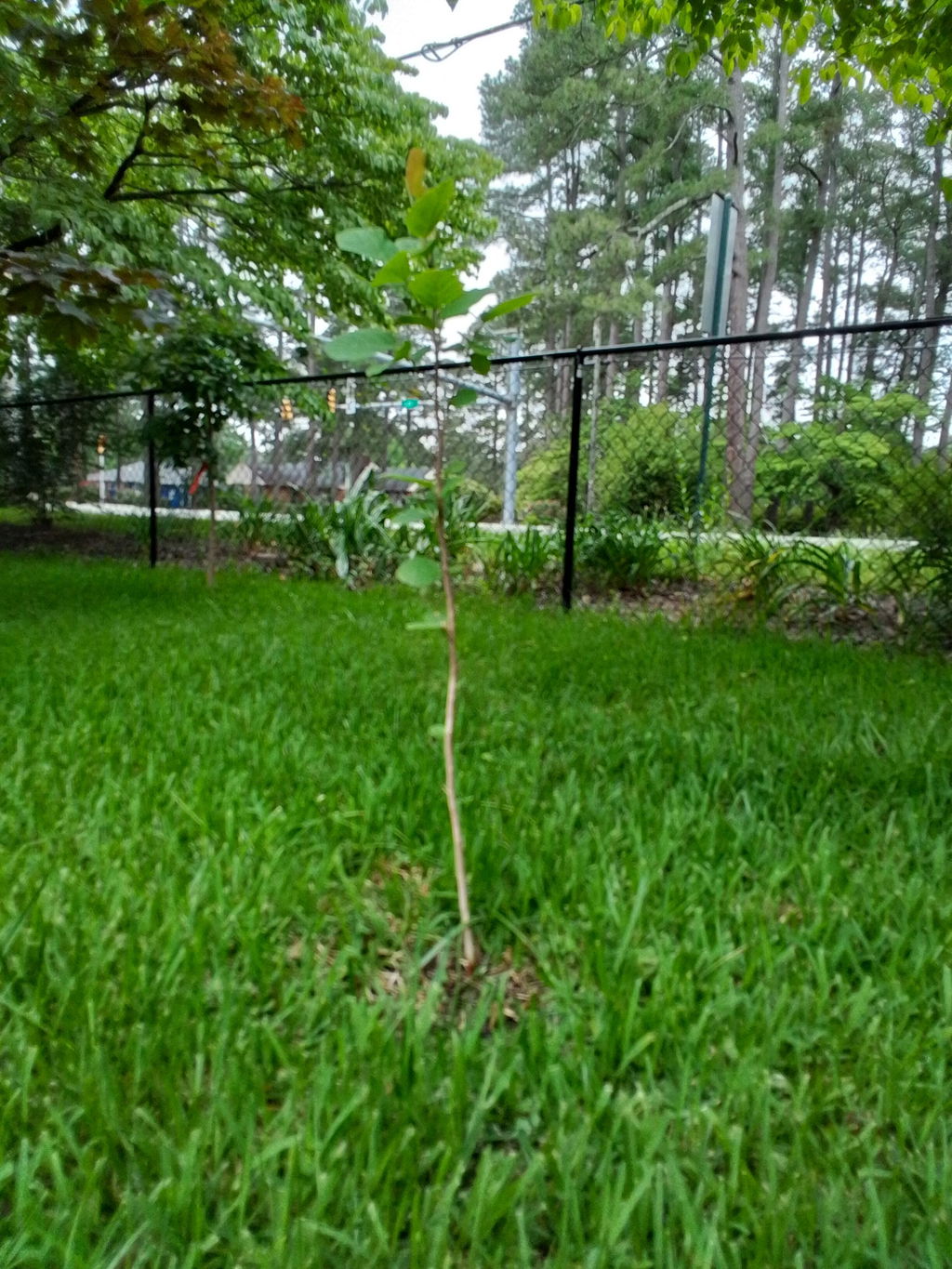
Pleasantly surprised how quickly the bush is thriving. I live in zone 6b, the bush was purchased at the end Feb.
About this plant
There's a good chance a bottle of this plant is sitting in your medicine cabinet right now. The witch hazel extract sold in drugstores comes straight from Hamamelis virginiana, the same native shrub TN Nursery grows and ships for landscapes — except in the yard, it's prized less for its astringent properties and more for doing something almost no other native shrub does: blooming in late fall. It reaches 15 to 20 feet, opens fragrant yellow flowers from October to December, and is hardy in USDA zones 3–8. TN Nursery ships it bare root, Buy 1 Get 1 Free.
Also known as American witch hazel, common witch hazel, or winterbloom, it belongs to its own family, Hamamelidaceae, and grows wild in woodlands from Nova Scotia and Minnesota south to Florida and Texas.
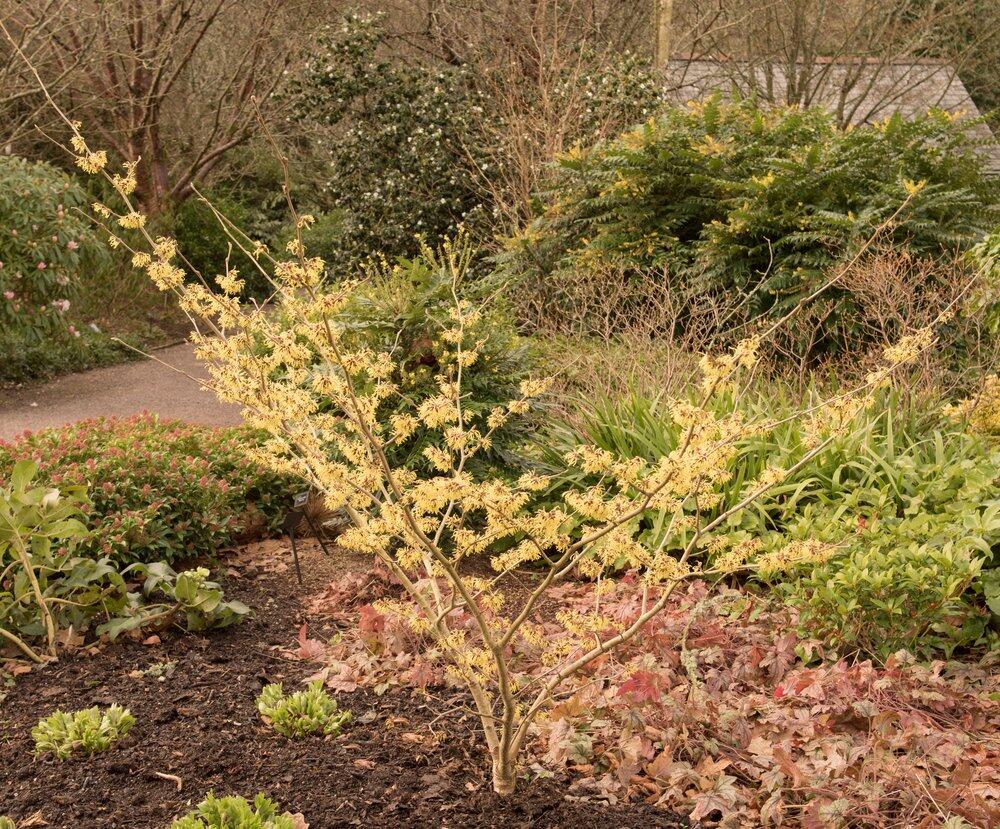
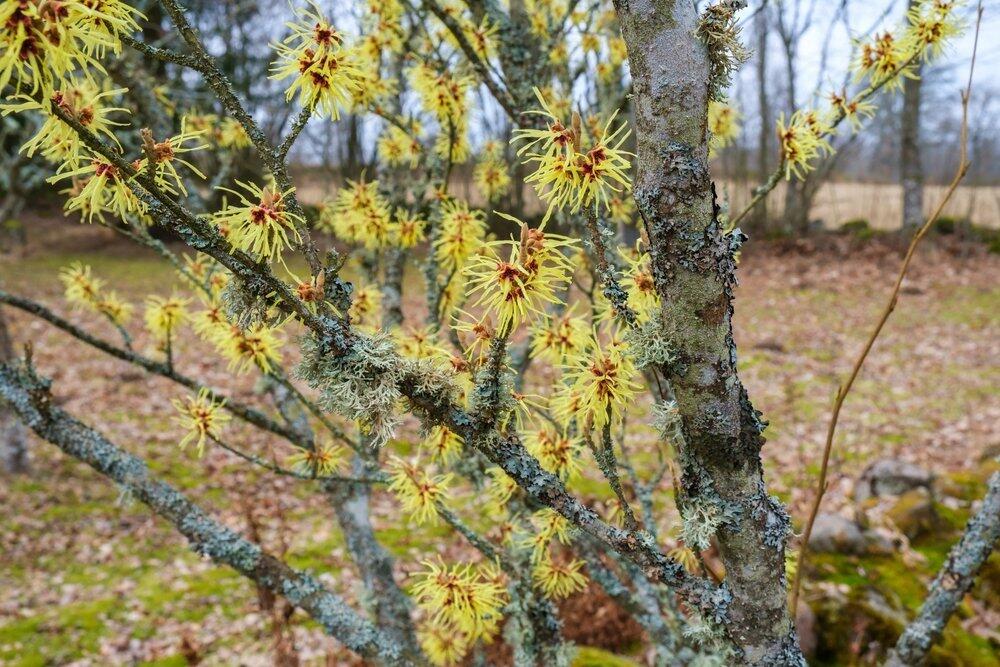
By October, most of the garden has finished for the year — which is exactly when witch hazel starts. Its ribbon-like yellow flowers, four crinkled petals about three-quarters of an inch long, open as the golden leaves are dropping and keep going for three to four weeks, reopening on mild days even after a frost. It's the latest-blooming native shrub in eastern North America, which makes it one of the few plants doing anything ornamental in a yard during November and December.
Left alone, witch hazel grows as a broad, multi-stemmed shrub about as wide as it is tall. If you'd rather have a small tree, pick the strongest stem on a young plant and remove the others at the base each winter; after a few years of this, it forms a small tree with an open, rounded crown, suitable for a patio corner or a lawn specimen.
Give it partial shade to full sun and moist, well-drained, slightly acidic soil rich in organic matter — think the edge of a hardwood forest or a stream bank, since that's where it grows wild. It adapts to loam, sandy soil, and clay, and grows at a slow to moderate pace of about a foot a year, typically reaching blooming size within 2 to 4 years.
Plant while dormant, November through April, with the crown at soil level in a hole twice as wide as the roots. Soak the roots for a couple of hours first, backfill with native soil mixed with compost, and water deeply. Space plants 8 to 12 feet apart for a screen, or 15 feet apart as standalone specimens.
Winterberry holly adds red berries right alongside witch hazel's yellow flowers in late fall, while a redbud or white dogwood blooms at the other end of the year for a planting that flowers in both spring and fall. Smooth hydrangea fills the summer gap. For bulk hedgerow planting, our witch hazel seedlings are priced for it. Browse the full shrubs collection.
Botanical name: Hamamelis virginiana
Family: Hamamelidaceae
Mature size: 15–20 ft tall and wide
Growth rate: Slow to moderate, about 1 ft/year
Light: Full sun to partial shade
Soil: Moist, well-drained, slightly acidic; adapts to clay
Bloom time: October–December
Fall color: Golden yellow
Zones: 3–8
Ships as: Bare root, 1–2, 2–3 and 3–4 ft
Notable traits: Latest-blooming native shrub, fragrant, source of witch hazel extract, shade tolerant
15 to 20 feet tall and about as wide, as a multi-stemmed shrub or trained small tree.
Yes — a light, spicy-sweet fragrance that carries on mild fall days.
Yes. It grows well in partial shade under taller trees; more sun generally means a denser shape and more flowers.
During dormancy, November through April.
Yes. The drugstore extract is distilled from the bark and leaves of Hamamelis virginiana, the same shrub sold here for landscapes.
Three generations of the same Tennessee family have grown native plants on this ground since 1959. Our trees and shrubs have gone into projects at the Washington Monument and Arlington National Cemetery, and we grow witch hazel in our own fields, shipping each plant bare root during dormancy so it roots in before spring. Want more? Read Enchanting Witch Hazel Shrub and Types of Native Shrubs and Hedges on our blog.

Since 1959, TN Nursery has grown and shipped quality bare root plants nationwide. Shipped during dormancy, bare-root plants develop strong root systems and establish quickly. Our experienced team carefully harvests and packages every order, providing growers with trusted plants backed by over 65 years of nursery experience.
Learn More About
Bare root trees
Fall and Early Winter Blooms:
Witch hazel produces fragrant, ribbon-like yellow flowers from October to December, brightening the landscape late in the year.
Traditional Uses:
The bark and leaves of this native shrub are the traditional source of witch hazel extract, a well-known natural astringent.
Versatile Growth:
This shrub thrives in a variety of soil types and light conditions, making it a flexible choice for diverse garden settings.
Attracts Wildlife:
The flowers draw late-season pollinators like bees and moths, enhancing the biodiversity of your garden.
Fall Digging
Spring Digging
Packing Orders
Customer Unboxing Video
Product Highlight
My Witch Hazel arrived healthy and well packaged. It’s settling in nicely and looks great so far. Excited to watch it grow!
I’m really happy with my Witch Hazel from TN Nursery! It arrived healthy and packaged really well, and it was exactly what I was hoping for. I got it planted and it’s looking great so far. I’m excited to watch it grow and see it mature over the next few seasons. Very pleased with my purchase!
— Karen M.
I got my dormant Witch Hazel bare root plants in early May in zone 7a. Planted them up in pots and they are thriving. Can't wait to put them in the ground this fall and watch what they do this coming winter!
I ordered 2 h.w., barefoot. Hardy specimens and TN Nursery tossed in 3rd little tree. My comment is that all 3 are growing strong in morning sun z
And afternoon sun. Looking forward to those springtime blooms in seasons to come
Pleasantly surprised how quickly the bush is thriving. I live in zone 6b, the bush was purchased at the end Feb.
I’m delighted with the Witch Hazel from TN Nursery. Its vibrant appearance and strong roots made transplanting effortless. It’s already thriving and adding year-round beauty
Ordering Witch Hazel from TN Nursery was the best gardening choice I made this year. The plant came healthy, well-packaged, and in pristine condition. It’s now one of the focal points of my garden.
TN Nursery continues to amaze me with their quality. My Witch Hazel arrived lush, green, and ready to thrive. It has added a natural elegance to my backyard that I’ve always wanted
The Witch Hazel from TN Nursery is truly impressive. Within weeks, it established itself and started showcasing its unique blossoms. Their plants are clearly cultivated with expertise and care.
TN Nursery delivered the healthiest Witch Hazel plant I’ve ever ordered online. It was carefully packed, moist, and in great shape upon arrival. The shrub is already adding charm to my landscape.
The Witch Hazel I received from TN Nursery is thriving in my garden. It arrived well-rooted, vibrant, and already showing strong growth. TN Nursery clearly values quality, and I’m thrilled with this purchase.
I ordered Witch Hazel from TN Nursery, and it exceeded every expectation. The blooms are radiant, the fragrance is unforgettable, and the packaging ensured perfect delivery. Their customer service was exceptional, making the process stress-free.
One of the only trees to actually winter over here and break dormancy, despite being planted in december before our first blizzard.
I'm very happy with my baby Witch Hazel trees that I received! They look very healthy and have a very good size! I just planted them and I'm waiting for them to bloom this spring :)
I received 3 dormant bare root plants about 2 weeks ago, potted them up the day after I received them, and have been watering them regularly, they've already sprung to life, sprouting new leaves every day. I'm in zone 7a. They seem really healthy, and I'm really looking forward to planting them in the ground and watching them flourish in the future!
The plants were packed carefully and looked healthy. I am hoping for little yellow flowers in our Michigan winter!
The plants arrived bare root. They were in good shape when I received them. I planted the dormant twigs and anticipate seeing them grow soon.
Had a great experience with TN. Nursery. Witch hazel bushes came in great shape and on time.
I received very shortly after ordering and I was pleasantly surprised that I received a very generous three separate bushes when I had ordered just one bush. Very pleased. I planted right away and can’t wait to see the bushes come to life this Spring.
Plants look good. They are bare root and I got them planted so time will tell but they look like they will thrive. Shipping was prompt and the plants were well packaged.
Arrived quickly and I was able to get them in the ground before the weekend rains. I ordered eight and received a bonus ninth. Sweet! Still a bit early to see how they leaf out. Bought them for my honeybees. They should make the ladies happy this fall.
The Witch Hazel plants arrived more developed than I expected and in excellent condition, which I have come to recognize is the norm for TN. I planted them yesterday and look forward to seeing them bloom in just a few weeks.
Witch Hazel
Received and excited to them going! They are replacing some shrubs across the front of my house. Time will tell, I chose them as they bloom in the winter.🤞
The order came quickly and the plants were healthy and well packed for shipping.
Witch Hazel
Bare root stock arrived promptly and in great shape. They have been planted and now we wait until next spring to gauge if we are successful or not.
Nice bare-root Witch Hazels. We planted in H.D. orange buckets (holes drilled in bottom) and will nurse for planting in the spring.
Loved it planted it right away. Just waiting for the other trees I ordered
Good