Constance Schlegel
They were slow to arrive due to the post office but I am happy with the quality & condition they arrived in. I will shop here again.


Siberian Iris Plant
3-9
2–3 Feet
Moderate
Full sun and Partial shade
Late spring to early summer (May–June)
Siberian Iris thrives in moist, fertile soil. Keep the soil evenly damp, mulch to hold moisture, add compost in spring, cut foliage back after a hard frost and divide clumps every 4-5 years.
Siberian Iris flourishes in full sun to partial shade. It favors well-drained soil and can handle some shade, especially in hotter climates. Provide it with at least 4-6 hours of direct sunlight daily for optimal blooming.
Versatile growth habit , Hardy and resilient, Long blooming period
Constance Schlegel
They were slow to arrive due to the post office but I am happy with the quality & condition they arrived in. I will shop here again.
Paul Marsico
Superb! TN Nursrey sent me an update email when order was received, another when it shipped with a tracking number, and the order arrived a day earlier than the tracking reflected. Nothing but good experiences have I had here.
Priscilla millen
Siberian Iris
About this plant
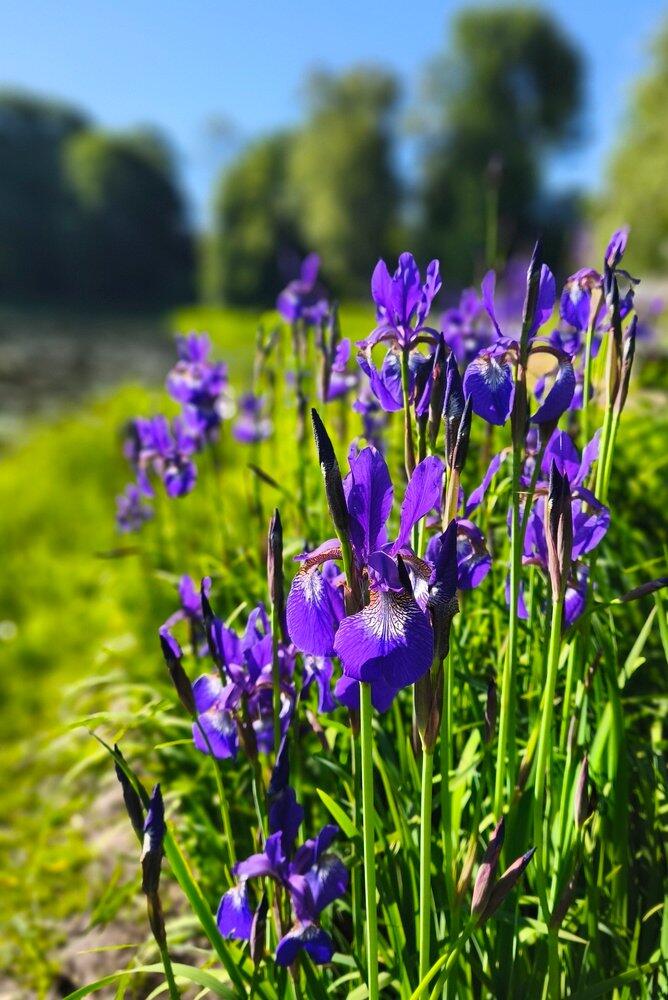
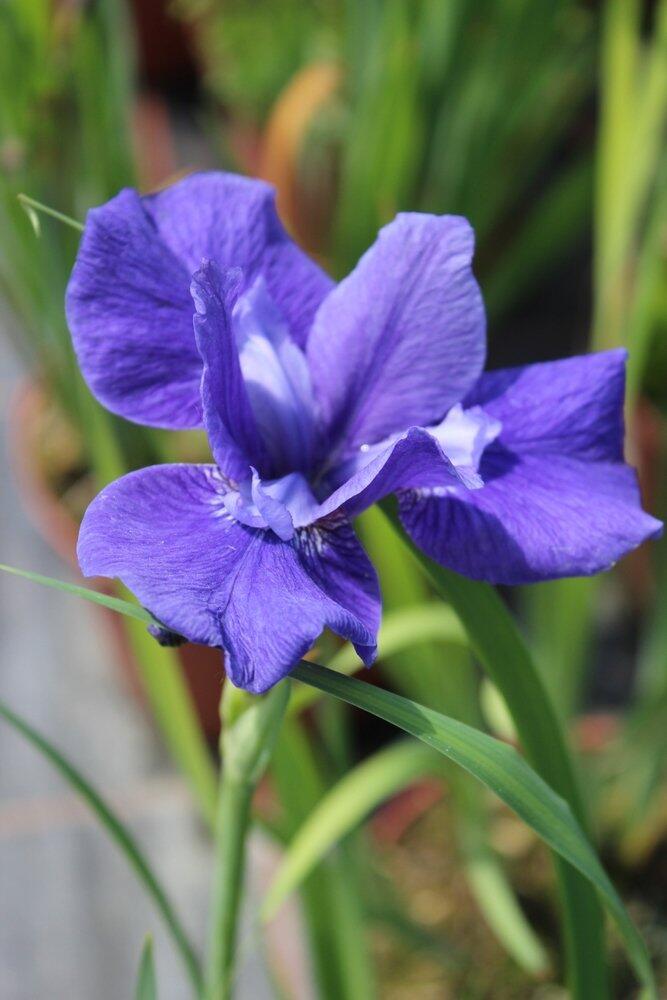
Siberian iris (Iris sibirica) is a hardy, clump-forming perennial with grass-like leaves and purple-blue flowers that grows 2 to 3 feet tall in USDA zones 3 to 9. Siberian iris thrives in full sun to part shade and blooms in May and June. TN Nursery grows Siberian iris in Tennessee and ships bare-root divisions, Buy 1 Get 1 Free.
Siberian iris belongs to the iris family, Iridaceae, and grows wild in moist meadows and along streams from central and eastern Europe across Russia into central Asia. The plant is also known as Siberian flag. Each Siberian iris flower has three upright petals called standards and three drooping petals called falls, veined in darker purple and marked with white and gold near the throat. At our Altamont, Tennessee nursery we grow Siberian iris in moist, sunny beds, dig divisions while dormant and ship them bare root so they settle in quickly.
Gardeners choose Siberian iris because the plant handles cold winters, hot summers, wet spots and average garden soil with ease, and the upright foliage looks good from spring to fall. Siberian iris is one of the easiest irises to grow.
The purple Siberian iris flower is smaller and more delicate than a bearded iris, but each clump makes many flower stems. A mature Siberian iris clump can carry dozens of blooms at once, floating above the foliage for two to three weeks. The flowers last well in a vase. In autumn Siberian iris foliage turns golden yellow and tan, and the dark seed pods add winter interest.
Siberian iris blooms in late spring to early summer, usually May to June, for about two to three weeks. The calendar below shows the Siberian iris year.
| Season | Months | What Siberian iris does |
|---|---|---|
| Spring | March–April | New grassy shoots emerge |
| Late spring | May–June | Peak bloom for 2–3 weeks |
| Summer | July–August | Upright green foliage and seed pods |
| Fall | September–November | Foliage turns golden; best time to divide |
| Winter | December–February | Dormant; hardy to zone 3 |
Siberian iris has thin, fibrous rhizomes that grow just under the soil and enjoy moist ground, while bearded iris has thick rhizomes that sit on top of the soil and need sharp drainage. Siberian iris leaves are narrow and grassy, while bearded iris leaves are broad and sword-shaped.
Siberian iris also blooms a little later than most bearded iris, carrying the iris season into June. For a wet or low spot in the garden, Siberian iris is the better choice.
Plant Siberian iris 1 to 2 inches deep in moist soil, in full sun to part shade, spacing divisions 18 to 24 inches apart. TN Nursery ships Siberian iris as a dormant division of rhizome with roots and a growing crown, packed to stay moist.
The Buy 1 Get 1 Free pair of Siberian iris fits a small bed or pond edge. Buy 3 Get 2 Free or Buy 5 Get 3 Free makes a bold drift, and 25 Plants (Wholesale) fills a rain garden or lines a stream bank.
Good Siberian iris companion plants enjoy the same moist, sunny spots, such as blue flag iris, daylily, garden phlox and bee balm.
Plant Siberian iris with blue flag iris for a pondside iris planting. Orange daylily takes over the color show just after the iris fades. Garden phlox and bee balm carry the border through summer. Purple coneflower adds summer daisies in sunnier spots, and giant ostrich fern makes a lush backdrop in part shade. Browse more choices in our perennial plants.
Siberian iris care is simple: keep the soil evenly moist, add compost each spring, cut the foliage back after a hard frost and divide crowded clumps every 4 to 5 years.
Spring: Spread compost around each Siberian iris clump as shoots appear.
Summer: Snip faded flower stems for a tidy look, or leave them for seed pods. Water during long dry spells.
Fall: Cut leaves back to 2 to 3 inches after a hard frost, or leave them until spring.
Every few years: Divide very full clumps in late summer or early fall and replant the outer sections.
Siberian iris blooms best in full sun but grows well in part shade, especially in hot southern summers, with at least 4 to 6 hours of sun.
Siberian iris reaches 2 to 3 feet tall, with flowers held just above the grassy leaves.
Yes. Siberian iris grows well in moist soil and handles seasonally wet spots, which makes Siberian iris a great rain garden and pond-edge plant.
Yes. Siberian iris is deer resistant, and deer and rabbits rarely browse the foliage.
Siberian iris spreads slowly from short rhizomes, forming a fuller, tidy clump each year that stays where you plant it.
Divide Siberian iris in late summer or early fall, or in early spring as new growth starts, about every 4 to 5 years.
Ships: Bare root, dormant division
Planting Zone: 3–9
Height at Maturity: 2–3 feet, 1–2 feet wide
Water Needs: Moderate to high; keep soil evenly moist
Sun or Shade: Full sun to part shade, at least 4–6 hours of sun
Bloom Season: Late spring to early summer (May–June)
Soil: Moist, fertile, slightly acidic to neutral soil; handles wet sites
Care: Mulch to hold moisture, add compost in spring, cut foliage back after frost and divide crowded clumps every 4–5 years.
Plant Attributes: Cold hardy, deer resistant, long-lasting cut flower, golden fall foliage, rain garden and pond-edge plant
TN Nursery has grown hardy plants since 1959, more than 65 years of experience, and has supplied plants to major U.S. landmarks like the Washington Monument and Arlington National Cemetery. Our Siberian iris is grown at our Altamont, Tennessee nursery, dug as healthy dormant divisions and shipped bare root so it arrives ready to plant. To learn more, read Siberian Iris and Iris Information on our garden blog, see the top 10 benefits of rain gardens, or browse more perennial plants.

Since 1959, TN Nursery has grown and shipped quality bare root plants nationwide. Shipped during dormancy, bare-root plants develop strong root systems and establish quickly. Our experienced team carefully harvests and packages every order, providing growers with trusted plants backed by over 65 years of nursery experience.
Learn More About
Bare root trees
Elegant Blooms:
Delicate flowers in blue, purple, and white add sophistication to your garden.
Hardy and Resilient:
Thrives in various soil types and conditions, making it a reliable choice.
Attracts Pollinators:
Beautiful blooms draw bees and butterflies, boosting garden biodiversity.
Low Maintenance:
Minimal care required—just regular watering and occasional deadheading.
Fall Digging
Spring Digging
Packing Orders
Customer Unboxing Video
Product Highlight
I’m absolutely delighted with my Siberian Iris! The plant arrived healthy and has grown beautifully in my garden.
My Siberian Iris has been a strong grower and the blue-purple blooms are gorgeous. I planted it in an area that stays a little moist and it has really taken off. The foliage stays attractive even when the plant isn't flowering.
The quality of the Siberian Iris plants I received is excellent. Every rootstock was strong, and the blooms are already enhancing my garden.
These Siberian Iris plants are long-lasting and hardy. They established quickly and continue to impress with their resilience and beauty.
I am thrilled with my Siberian Iris purchase. The color is absolutely stunning, and they make the perfect addition to my perennial garden.
The Siberian Iris plants were carefully packaged and very healthy. They are vibrant and worth every penny—TN Nursery **** disappoint.
I love how elegant these Siberian Iris plants look in my landscaping. The deep green leaves and striking flowers create timeless beauty.
My Siberian Iris arrived fresh and vibrant. TN Nursery made the process easy, and now they are thriving beautifully in my garden.
The Siberian Iris plants I ordered came in excellent condition, with strong roots and lush foliage. They are already producing the most gorgeous blooms in my flower beds.
The Siberian Iris plants I ordered came in excellent condition, with strong roots and lush foliage. They are already producing the most gorgeous blooms in my flower beds.
They were slow to arrive due to the post office but I am happy with the quality & condition they arrived in. I will shop here again.
Superb! TN Nursrey sent me an update email when order was received, another when it shipped with a tracking number, and the order arrived a day earlier than the tracking reflected. Nothing but good experiences have I had here.
Siberian Iris
Siberian Iris
I have to wait until the next spring see how they come up. Thank yo
Very healthy bare roots! Very pleased! Thank you!
I have been ordering from this nursery for years, and I have yet to not be satisfied. They send good healthy plants and I enjoy watching my flowers grow each year. This year I will be ordering a lot more.