Ann Mcknight
They are just sticks now,so I'm waiting to see if they start to grow in the spring

Brown Eyed Susan
Ships Now
3-10
Over 12"
Moderate
Full sun
Summer
Brown Eyed Susans thrive in well-drained soil with regular watering. Deadhead finished flowers to promote more flowers and cut back in late fall to prepare for winter. They are generally pest-resistant and require minimal fertilization.
Brown Eyed Susans thrive in full sun, ideally acquiring at least 6 hours of natural sunlight daily. They can tolerate partial shade but may have fewer blooms and more leggy growth in less sunlight.
Multiple long lasting blooms , Fast growing & resilient, Attracts butterflies & bees
Ann Mcknight
They are just sticks now,so I'm waiting to see if they start to grow in the spring
Rebecca
So far, it is waking up from its winter slumber much faster than expected.
Talor Mayes
Great friendly service. Nicely packaged and quick shipping. and all my flowers where great
About this plant
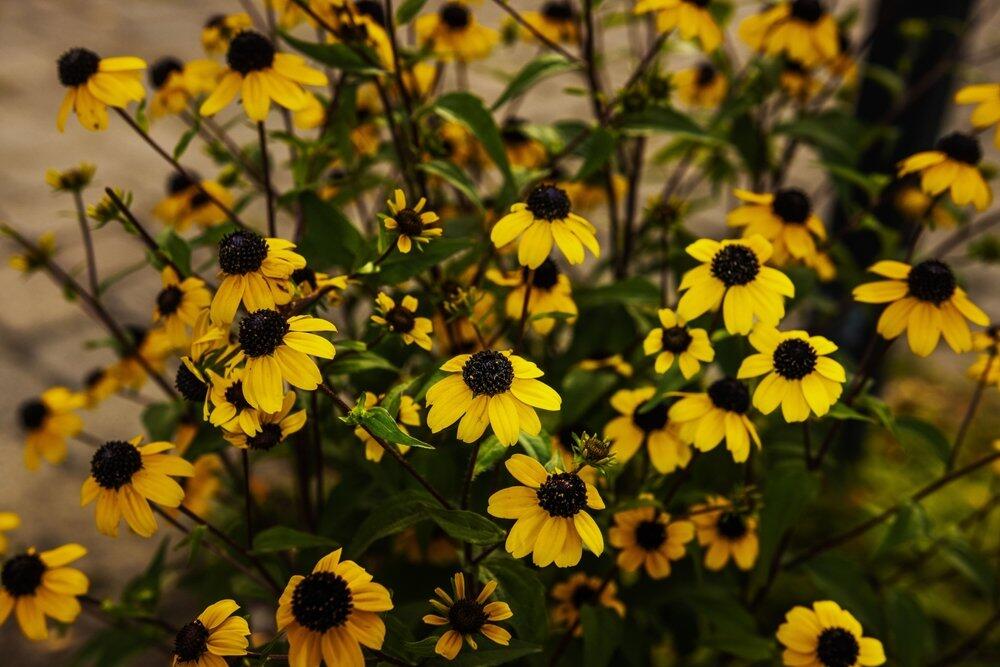
The Brown Eyed Susa is a flowering perennial plant in the family Asteraceae․ That is a family that is hardy and has a bright golden color‚ which basically just bounces off sunlight‚ making it extremely popular in various regions․ It is characterized by a dark‚ conical center surrounded by showy yellow petals․ The two colors contrast with each other‚ catching the attention of gardeners and passers-by․ Aside from its beauty‚ they bloom throughout the summer‚ adding an impressive array to any garden or flower enthusiast's outdoor collection․ The perennial is known scientifically as the Rudbeckia hirta․
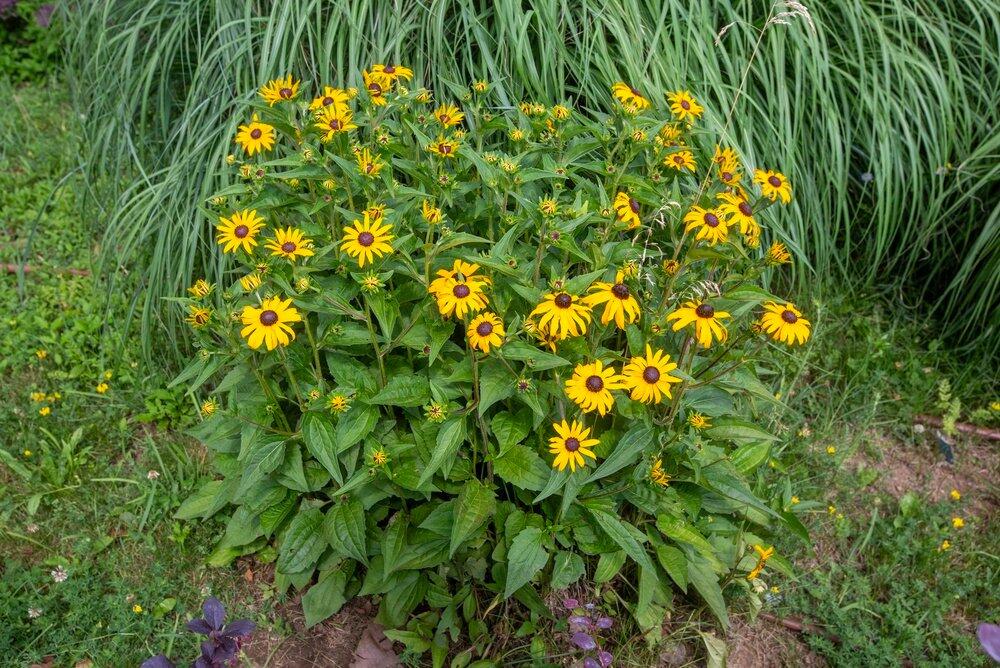
Despite their physical attraction‚ which centers around their familiar daisy-like shape and bright yellow petals‚ Brown-eyed Susans are equally valuable for their practicality․ They can grow as tall as two to three feet and their stems are strong and sturdy‚ holding large‚ showy flowers that bloom in the early summer and persist well into the late fall․ The petals on the flower are velvety․ The center of the flower (the plug)‚ which has black coloring due to undeveloped seeds‚ is earth colored․ This makes it a popular flower for home garden use and for nurseries․ The leaves of the plant are course green‚ which provides a backdrop for the flower․ The flowering perennial‚ whether in groups or standing alone‚ give a warm‚ cheerful appearance to their environment․
Because they withstand a wide range of soil conditions‚ require little maintenance‚ and have bright yellow flowers‚ brown-eyed Susans are used extensively in landscaped gardens‚ meadows‚ wildflower gardens‚ or flower borders around homes and commercial properties․ They do well with many other native plants‚ provide much color throughout the year‚ and can enliven some of the less-attractive parts of the garden․ They can be used as ground cover plants to reduce weeds and provide an attractive appearance to areas in a garden that otherwise look barren․ In addition to the color they contribute to the garden‚ the brown-eyed Susan is known for providing structure‚ remaining beautiful even as the flowers of other plants wilt․
The brown-eyed Susan therefore encourages a diversity of wildlife populations in its local habitat․ This is demonstrated by the fact that it is natural for pollination to occur by insects who would cause these flowers to bloom in gardens and fields․ And yet‚ when they bloom‚ they are so busy‚ it is easy to observe butterflies as they visit each flower and bees carry pollen from flower to flower to plant the seeds of new plants and ensure a new harvest for next year․ Gardeners who plant these colorful blooms are helping the environment of bees and ensuring they can survive․
In addition to their literal uses‚ brown-eyed Susans have also been used symbolically․ Traditionally‚ the flowers have represented support or encouragement‚ as well as ideas such as sunshine‚ warmth‚ and happiness․ Bright yellow petals are used as symbols of purity‚ cheerfulness‚ and power‚ and for conveying good wishes․ In literature and in art‚ they have become symbols of love and admiration‚ and also of simple pleasures in life․ They are sometimes given as gifts‚ to show love‚ or used in floral arrangements‚ meant to be seen‚ sharing their beauty and the affections behind them with the homes of those who receive them․
These flowers are valued for being decorative and easy to grow in gardens; they act as a food source for pollinators‚ and are attributed symbolically with innocence‚ goodness‚ and light․ Through their presence in our gardens and homes‚ they remind us of the beauty and wonder of life around us‚ and the joy and strength that can be found in savoring the present moment․ The brown-eyed Susan is a symbol of summer happiness and the enjoyment of simple pleasures․

Since 1959, TN Nursery has grown and shipped quality bare root plants nationwide. Shipped during dormancy, bare-root plants develop strong root systems and establish quickly. Our experienced team carefully harvests and packages every order, providing growers with trusted plants backed by over 65 years of nursery experience.
Learn More About
Bare root trees
Pollinator Magnet:
Brown-eyed Susan's vibrant yellow flowers attract bees, butterflies, and other beneficial insects, offering a valuable source of nectar and pollen for local pollinators.
Easy to Propagate:
Brown Eyed Susan is simple to propagate, allowing you to easily grow new plants from existing ones. This makes it a great choice for expanding your garden or sharing with friends.
Daisy-Like Blooms:
Each Brown Eyed Susan features a daisy-like flower with fuzzy centers that transition to brown, surrounded by six to twelve bright yellow rays. These blooms, measuring one to two inches across, are produced abundantly, with large, healthy plants displaying six or more flowers at once.
Self-Seeding:
Brown Eyed Susans are either perennial or biennial and often self-seed and self-pollinate. They bloom vibrantly from mid-summer to the first frost, ensuring a continuous display of their cheerful yellow flowers throughout the growing season.
Fall Digging
Spring Digging
Packing Orders
Customer Unboxing Video
I’m very pleased with my Brown-Eyed Susan plant! It arrived healthy and has grown beautifully.
My Brown Eyed Susans have been tough, dependable plants and have given me lots of yellow blooms. I love using native-looking wildflowers in my landscape, and these fit in perfectly. The pollinators seem to love them too.
They are just sticks now,so I'm waiting to see if they start to grow in the spring
Ok
Perfect for creating meadows in wide areas of my garden. I was able to maintain this installation in my garden.
So far, it is waking up from its winter slumber much faster than expected.
Great friendly service. Nicely packaged and quick shipping. and all my flowers where great
these look great with the other wildflowers
The blooms on this plant are very unique and beautiful. Looks great in my gardens! Very pleased with this plant.
The blooms on this plant are very unique and beautiful. Looks great in my gardens!
These look great planted with the other wild flowers.
Very pleased with this plant. Looks wonderful with other wild flowers.
The blooms on this plant are very unique and beautiful. Looks great in my gardens!
I love them! they are growing and thriving in my garden
These plants are great and natural looking as they bloom!
You rock
Loved the simple directions that came with the plants.
We are so glad to hear that you love our product, Edgar. Thank you for taking the time to leave a 5-star review. Your feedback is greatly appreciated.
I am very happy with the plants this year. They have the most beautiful color.
Plants arrived in good condition, not dry. They are thriving very well