
Best Winter Houseplants: What Actually Thrives Indoors From November Through March
Good winter house plants can be used to decorate the home for Christmas․ As they are often grown indoors‚ they can withstand the low light‚ the low humidity and the low temperatures experienced during winter․ Poinsettia‚ Christmas cactus‚ cyclamen‚ azaleas and orchids bloom in the winter․ Ferns and geraniums make it bright inside‚ when the garden outside is little more than a skeleton in the winter dormancy․ Here in Tennessee during December‚ January and February‚ with the gray winter light and our centrally heated homes‚ sometimes the choice of plant is the difference between one that thrives and another that languishes on the windowsill․
Winter is Different for Houseplants․
Most houseplants are not experiencing dormancy․ The sun's position in the winter sky results in less than half the light seen by a houseplant in July‚ and in winters many homes have relative humidity of 20 percent or less (drier than many deserts) if furnaces and fireplaces are used․ Many otherwise easy houseplants can drop leaves during winter‚ due to less light‚ dry air indoors from heating‚ and cold drafts coming through windows and doors․
The following plants have either adapted to these substrates or have above-average tolerances․
Christmas Cactus
One of the easiest to induce winter flowering (winter hardy‚ no special treatment)‚ the Christmas cactus (Schlumbergera) responds to short days and cool nights‚ so it regularly blooms around the holidays without effort․ Bright indirect light; water when the top inch of soil feels dry․ Do not fertilize between October and February․ The plant will tolerate drought for a few days during this period‚ but it hates wet soil more than any other on this list․ If the air in your Tennessee home is very dry due to a wood stove or gas fireplace‚ try a light misting a couple of times per week․
Poinsettias
The reason poinsettias are the plant for Christmas is that with the right care‚ the colorful leaves (actually modified leaves‚ not flowers) can last for months․ Look for healthy leafy foliage on the bottom of the plant that is not yellowing or wilting․ The one with the brightest and most red-toned bracts and thick upright stems is best․ A droopy broken stem in a poinsettia may indicate that it spent too long in a cold delivery truck․
Indoors‚ in pots‚ plants do best receiving six or more hours of bright‚ indirect sunlight during the day‚ temperatures in the 65 to 70 °F (18 to 21 °C) range during the day and 60 °F (16 °C) or higher during the night‚ but away from drafty windows and heating system vents‚ or else leaves will drop swiftly․ Water when the soil surface is dry to the touch․ Always dump out any excess water in the saucer․ Root rot from sitting water is the number one reason poinsettias die indoors․
Orchids
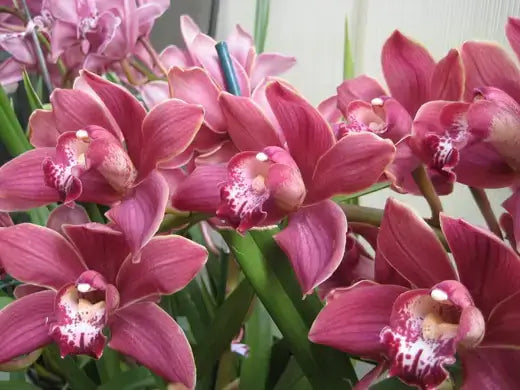
Although known as a difficult house plant‚ most orchids perish from over-watering․ The moth orchid‚ Cymbidiums or Black Jewel orchid do well indoors during the winter months as they are native to areas that require cool night temperatures to force flowering‚ precisely mirroring the conditions inside a Tennessee house when the fall evenings begin to set in․ Orchids are light feeders․ They don't need to be fertilized as much as you might think‚ but a diluted feed every two to four weeks should be plenty․ Let the roots dry out between waterings․ If the roots are rather bright green and firm‚ you are watering at the proper time․ If they are silvery and shriveled‚ or brown and mushy‚ you are either not watering enough‚ or you are watering too much․
Cyclamen
Unlike most houseplants‚ cyclamen prefer a cool environment of between 50 and 60F․ A cool sunroom or unheated hallway will suit; the small fragrant pink‚ white or purple flowers are arranged vertically with upswept petals in autumn․ New growth will continue into winter and spring as long as the flowers are stored at cool temperatures and out of direct sunlight․ The plant is best watered from the bottom‚ which means placing the plant in a saucer filled with water for 10-15 minutes at a time․ Standing water on the crown of the tuber encourages rot․
Azaleas
Indoor azaleas need less light than most flowering houseplants‚ and may be grown in a north-facing room that gets little sunlight during winter months․ It is available with pinks and purples‚ flowers for several weeks‚ and doesn't demand much care, but keeping the soil mildly moist without making it muddy‚ while avoiding the drafts from heat vents that may dry it․
Rounding Out Your Winter Plant Collection
Some plants that are also winter-hardy such as ferns‚ sweet violet‚ and geraniums can also be overwintered indoors․ However‚ Stella de Oro daylilies and Oro daylilies can be dug out and potted and overwintered indoors in a greenhouse or sunroom‚ which makes it more likely they can be successfully planted outdoors the next spring․ The plants you order from TN Nursery will be established plant material‚ as opposed to the stressed young plants you would find at the big box store in December․ This makes all the difference when you want to get your plant through winter rather than through the holidays․
Common Winter Houseplant Mistakes
Overwatering is the most common cause of death; the reduced light slows growth and‚ therefore‚ reduces required watering․ Fertilizing on a summer schedule is also a mistake․ Most houseplants do not require fertilization from November through February․ Keeping it out of the path of a heating vent or away from a cold window can help avoid stress‚ even if the appropriate amounts of light and water are given․
How to Prepare Winter Houseplants to Come Indoors
Tennessee is generally in USDA hardiness zone 6b through 7b․ All of these can be forced in pots indoors․ None of these plants will be kept outside when temperatures start falling below a certain threshold․ If you have any of these plants‚ bring them inside before night-time lows drop below 45F (7C) and allow them a couple of days to adjust to the humidity and light conditions of your home before expecting blooms․ Most of them will last from Thanksgiving until the year has its first full days of spring․
"

