
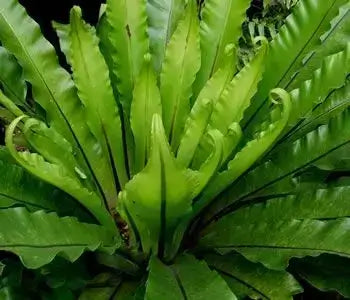
Native ferns are plant species that have grown naturally in certain areas without being brought there by people. Over time, these plants have become used to the dirt, rain, and weather in this area. This means that native ferns grow well with little work and look nice for a long time. One of the main benefits of ferns is that they can grow well in shady areas where other plants have trouble.
Garden ferns add soft texture and soothing green tones. People like them because they have beautiful leaves and look like they belong in a forest. They are hardy and easy to take care of, so many farmers choose them. They also help keep the land healthy and wildlife alive. This guide was made with trust by TN Nursery, which has a lot of experience growing and selling strong native fern types that are good for home gardens.
Defining Native Ferns and Their Natural Habitats
Native ferns are types of ferns that grow naturally in a certain area's woods, marshes, mountains, and shady slopes. These plants have changed over time along with the trees and animals in the area. This is why native ferns do better in native weather than plants that are not native. The fact that ferns can survive in low light and moist earth without constant care is one of their main benefits.
A lot of native ferns grow under tree limbs, next to streams, or on the edges of forests. Their roots spread out slowly and help keep the ground in place. Because of this, they are useful for stopping flooding in natural areas. Native plants come back every year without having to be planted again. Their leaves come out in the spring, and many of them stay green all autumn and winter.
Landscapes need these plants to stay healthy. They give bugs and small animals a place to stay. As the old leaves break down, they also make the earth better. Native ferns need fewer resources and produce gardens that feel natural and peaceful because they are already adapted to their surroundings.
Top Benefits of Adding Native Ferns to Your Landscape
-
Easy to Take Care Of Growth
Once they're established, native ferns don't need as much care and food, so they're called low maintenance ferns. Because of how they were born, they can grow without constant care. They are perfect for farmers who want beauty without having to work in the yard every day. -
Excellent for Shaded Areas
Many people look for ferns that grow in shade, and local types are ideal. On the ground and under trees, they do well. Even when there isn't much sunshine, their leaves stay full and green. -
Makes the soil healthier
Over time, native plants help make the earth better. When leaves die back, they add organic matter to the soil. This helps keep the garden in balance over time and makes the dirt healthy for plants close by. -
Stopping Erosion
On hills or near water, fern roots help keep the dirt in place. Because of this, they can help stop waste. The way they spread out shields sensitive ground. -
Supports Wildlife
Native plants give insects, frogs, and other small animals a place to hide. This makes the yard more diverse and the area outside healthy. -
Natural Beauty of the Woods
The way they are stacked and soft gives scenes more depth. For a natural look, ferns look good with trees, bushes, and flowers. -
Interest in the Season
There are many interesting plants that bloom from spring to autumn. Based on the species, some stay green all winter. -
For a long time
The native ferns can live for many years after they are planted. Because of this, they are a long-term investment in yard planning.
Choosing the Right Ferns for Shade and Woodland Gardens
Christmas Fern
This plant is called a Christmas Fern, and it stays green all winter. Since it stays in one place all year, it's one of the best native plants for shade. This plant grows in a neat way and doesn't spread quickly. For forest areas, it is among the most dependable kinds of fern plants.
Fiddlehead Fern
The twisted spring growth of the fiddlehead fern is what makes it famous. It likes places with wet soil and lots of shade. People who like ferns that grow in shade, like this plant, which looks good in forest parks. One of the most popular kinds of fern plants, it also adds a striking structure.
Hay-scented Fern
Hay-scented Fern spreads slowly and gives off a fresh smell when it is touched. As one of the most flexible native plants for shade, it's perfect. It doesn't take up much room and makes a soft ground cover. Among low maintenance ferns, it is also prized.
Lady Ferns
Lady Ferns look very elegant and have thin leaves called fronds. They do best in wet, shady soil. People often choose these ferns as beautiful native plants for shade. As low maintenance ferns, they are simple to grow and look fantastic in forest gardens.
How Native Ferns Support Garden Ecology
It is very important for yard environments to have native ferns. Native ferns easily coexist with the plants and animals in the area because they have grown there. One of the main benefits of ferns is that they can house insects that are important for food chains.
Ferns help keep the soil wet by stopping water from evaporating. Their roots keep the ground stable and stop it from washing away when it rains a lot. The earth gets better as the fallen leaves break down. This helps microbes and makes the dirt more fertile.
Native plants also give frogs, birds, and helpful insects a place to live. They keep fields healthy and full of life. Gardeners can help nature in a sustainable way by planting native ferns. This cuts down on the need for chemicals and watering.
Care Tips for Long-Lasting Fern Health
When their natural needs are met, native ferns are easy to care for. Most ferns like to grow in shady spots with wet, well-drained soil. One of the primary benefits of ferns is that they don't need to be fertilised very often.
Make sure to water new plants until they come up. Following that, it rains enough of the time. Putting down mulch keeps the roots cool and wet. If the species doesn't allow it, don't put it in full sun.
In early spring, get rid of the dead leaves to make room for new growth. Do not water too much or mess with the roots. Native ferns can be kept in good shape year after year with little maintenance.
Conclusion
Ferns that grow in your area add long-lasting beauty and structure to shade and wild gardening. Their beautiful leaves make scenes look softer and more natural. These plants do well in places with little light and don't need much care once they're established. They also make the earth healthier and help the wildlife in the area. Gardeners like native ferns because they last a long time and look good all year.
Native fern types that are well-grown can be found at TN Nursery. You can be sure that your plants will be healthy and beautiful if you choose Christmas Ferns, Fiddlehead Ferns, Hay-scented Ferns, and Lady Ferns.
FAQs
What are native ferns?
Native ferns are types of ferns that only grow naturally in a certain area. They have adapted to the land and weather where they live. They are easier to grow and stronger because of this.
What are the medicinal benefits of the fern?
In traditional medicine, some plants have been used to help the skin and gut system. Each species and society has its own uses. Always talk to a doctor or nurse before taking medicine.
Do native ferns require a lot of maintenance?
Native ferns do not require much upkeep. Once they're established, they don't need much care or watering. They naturally do well in the right settings.
Can ferns grow in dry shade?
Once ferns are grown, some native ferns can handle dry shade. Mulching these places helps keep the water in and makes it easier for plants to grow.
How do ferns benefit garden ecology?
Ferns help bugs, animals and the health of the earth. They stop runoff and keep water in the soil better. This helps keep environments in balance.
Where can I buy native ferns online?
Fern Types
TN Nursery is a great place to buy native ferns of high quality. They sell plants that are healthy and were grown with great care.


