
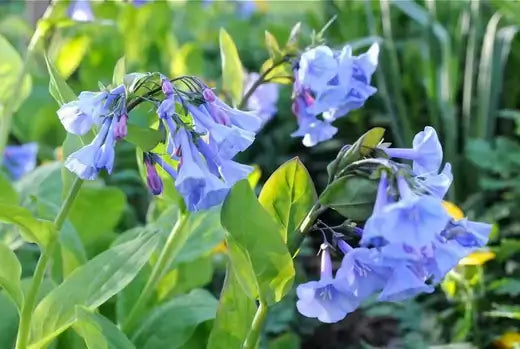
There is no doubt the Virginia bluebell is one of the finest spring ephemerals․ In a season when the earth is bursting anew to life and shaking off the remnants of winter‚ this plant is a delight in the garden‚ woods or wildflower patch‚ from its drooping flower-head to its stimulating blue color․ Virginia bluebells bloom each spring‚ when the sun had begun to melt away the frost in the ground‚ bathing the surrounding area in a beautiful blue haze․ It is not just the beauty of the flower that gives us a gift‚ but a reminder of hope‚ and the eternal cycle of life․ In this essay‚ we will explore the many layers of meaning and importance behind these beautiful flowers․
Virginia Bluebells Is a Symbol of Rebirth
Mertensia virginica (Virginia bluebells) is a symbol of rebirth and new beginnings as it blooms‚ pulling itself from below the frozen ground‚ every spring to start a new cycle․ The flowers are light blue in color‚ to the point that they appear almost white․ They impart a sense of tranquility‚ and one who gazes at the flowers sees not just their outer beauty‚ but their inner peace․ The plant's nodding flowers swaying in the wind symbolize the possibility of finding light even in troubled times․ The image of bluebells represents the nature of a spring․ And just like the snowdrops that break through winter's frost‚ we can blossom wherever we are‚ whether we have spent some time in the land of memory or spent even longer in the desert of suffering․
Virginia bluebells are found in folklore and native to many cultures across the world․ In the United States‚ the bluebell is native to the eastern states and is associated with those places and the American identity as a symbol of natural beauty and part of the legacy of American wildflowers․ The bluebell has also been important to many Native American tribes‚ prized for its beauty and medicinal qualities․ For Native American people‚ the bluebell flower is an embodiment of the earth and a reminder to live in harmony with it․ They have been a source of inspiration to those poets and painters wishing to capture their ephemeral beauty in words and strokes․ Such importance of flowers in culture shows us that there is more to a flower than just its physical appearance․
The life cycle of the Virginia bluebell is equally engaging․ The perennial plant begins its life as a very small seed‚ which stays dormant in the soil during the cold winter until the warming spring․ The importance of young bluebells is related to their wide green leaves․ In the early stages of the bluebell's life cycle‚ it is the leaves that provide it with light and nutrients․ It is amazing to see them go from green to blue․ When they are under bigger trees in groups‚ they still survive and get dappled sunlight‚ which is a sign that they are adaptable․ They'll bloom from mid-April to the beginning of May making for a lovely punctuation at the end of the cold and at the beginning of longer‚ warmer days‚ and their tenacious growing cycle only reinforces the fact that a lot of things take time‚ patience‚ and the right conditions․
Virginia Bluebells Does Great In The Shade
Virginia bluebells grow in rich‚ shaded and damp woodlands‚ floodplains or along rocky streams or near rivers on moist soils; the natural habitat of the plant is a damp but not sunny place․ The flower is native to areas lying east of the Rocky Mountains in the United States․ These plants take advantage of the shade of the trees to protect them from the heat of the summer sun․ The bluebell is a perfect illustration of the need for balance; too much sun and the leaves are burned‚ but too much shade and the plant will be slow to grow․ Thus‚ the Virginia bluebell's optimal habitat is a delicate balance‚ and their existence ultimately relies on the health of these ecosystems‚ underscoring the interdependence between the plants and their habitats․
As human development continues to be a factor‚ protecting Virginia bluebells and their habitats is becoming increasingly important․ Conservation of Virginia bluebells involves conserving the pretty flower as well as the habitats and ecosystems that they are found in․ Wider restoration projects and awareness will help people to understand how preserving these natural environments will not only benefit bluebell flowers but also other plants and animals that share the same habitat‚ and the edifying nature of such places‚ which remind us of the beauty of both the natural world and its fragility‚ means that taking proper care of them today will ensure that the bluebells will be present each spring․
Help Save Virginia Bluebells
In conclusion‚ Virginia bluebells act as a symbol for conservation․ By observing the symbolism‚ uses‚ growing preferences‚ and ideal habitats for the Virginia bluebells‚ we can understand the importance of the delicate balance that supports the survival of this native wildflower․ The flowers represent the spirit of transformation and renewal‚ and evoke the themes of resilience and hope․ As springtime fills the landscape with color‚ let us take a cue from bluebells and be dedicated guardians of their native habitat․ In doing so we are not only honoring the flowers that decorate our earth‚ but we are honoring spring itself and the vitality it represents․


