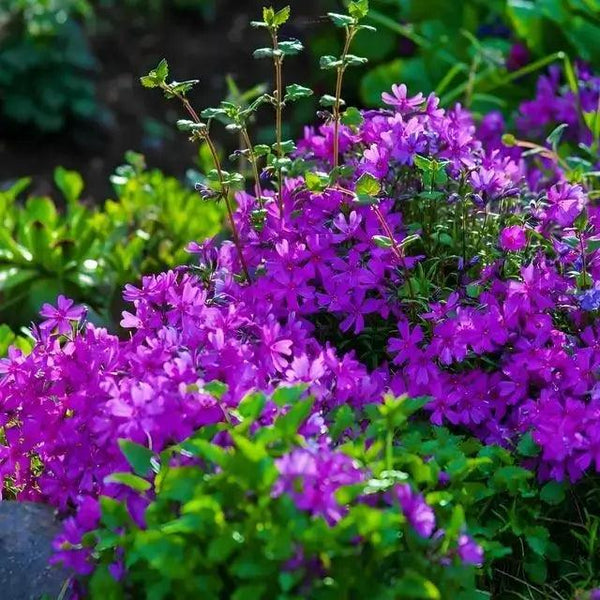
Creeping Buttercup: Cheerful Yellow Flowers
Creeping buttercup (Ranunculus repens) is a low, spreading perennial with glossy, golden-yellow flowers and dark green, three-lobed leaves. Originally from Europe and Asia, it has naturalized widely across North America.
Bright Flowers for Months
Creeping buttercup blooms mainly from late spring through summer, with shiny, five-petaled flowers about 3/4 inch across. The glossy petals reflect light and seem to glow in the sun.
Size and Growth
Plants grow 6 to 12 inches tall and spread quickly by runners that root as they go, forming a dense mat.
Soil and Sunlight
Creeping buttercup thrives in moist to wet soil in sun or partial shade, including low spots and heavy clay where many plants struggle.
Planting and Care
- Plant in spring or fall, about 12 inches apart.
- Water until established. It loves consistent moisture.
- Because it spreads vigorously, give it a contained area with edging, such as a wet corner, pond edge or container.
Companion Plants
Pair creeping buttercup with moisture-loving plants like Cardinal Flower, Blue Flag Iris and native Ferns.
Safety
Buttercups contain compounds that irritate if eaten, and livestock and pets generally avoid them. Plant them where they won't be grazed.
Perennial Plants at TN Nursery
Explore our perennials at TN Nursery.
FAQs
What is creeping buttercup good for?
It brightens wet, heavy-soil areas with yellow flowers and forms a quick ground cover.
Does creeping buttercup spread?
Yes, quickly, by rooting runners. Plant it in a contained space and edge the bed.
What is the old tale about buttercups?
Children hold a buttercup under someone's chin; if a yellow glow reflects on the skin, it's said they like butter.