
Essential Tips for Effective Ground Covers
Ground covers are often an important component of the world of gardening and landscaping in that these low-growing plants are grown not only for their appearance‚ but also for the wide variety of things they can do to either improve the state of the garden and/or provide a benefit to the gardener․ Ground covers are plants that grow over bare soil‚ forming a green carpet․ They help stabilize soil‚ suppress weeds‚ and provide habitats for many forms of wildlife․ Knowledge of the types of ground cover plants‚ their benefits‚ and how to maintain and combine them can benefit the avid gardener․ This article is a general overview of ground covers and some helpful hints for your next gardening project․
There are many ground covers available‚ which each have different characteristics․ One good choice is creeping thyme‚ which has a great collection of small purple flowers․ It has a scent‚ which makes it suitable for use in sunny places in the garden․ Other plants with trifoliate leaves available for ground cover include clover․ A good choice is clover‚ which adds nitrogen․ If the area is shady‚ periwinkle and creeping phlox will help give the area some color․ Ferns may be used to give the area the feel of being in a wood․ Gardeners can research what ground cover plants are best suited to their conditions and preferences‚ from the variety of species available․
Purposes of Groundcovers
As aesthetically pleasing as ground covers are‚ they serve other purposes in the garden ecosystem․ Chiefly ground covers are organic weed suppressants; their thick foliage swallows moisture and nutrients that would otherwise support other plants‚ especially weeds․ Ground cover plants reduce the need for herbicides and for hand weeding‚ help prevent wall erosion on slopes or gardens on the sides of hills‚ stabilize slopes using a dense network of roots and help prevent erosion caused by heavy rains‚ and some ground cover plants help attract pollinators to the plants and to the landscape in general․ Additionally‚ they can provide food and habitat for butterflies‚ bees‚ and other helpful insects that can contribute to a healthy garden․
Choosing the right ground cover may be the most important part of the design‚ but ground covers do require care if they are to thrive․ Most require little care apart from some watering when they are dry while they are getting established․ It is also important to note whether a plant prefers sun‚ partial shade or full shade․ Occasional pruning of some ground cover plants may be required to ensure they do not become too thick and aggressive and prevent other plants growing in the vicinity․ A light cover of wood chips or other forms of organic matter mulch at the time of planting will help keep the plants moist and down weed growth․ It takes a little effort to get them established‚ but they need very little further care․
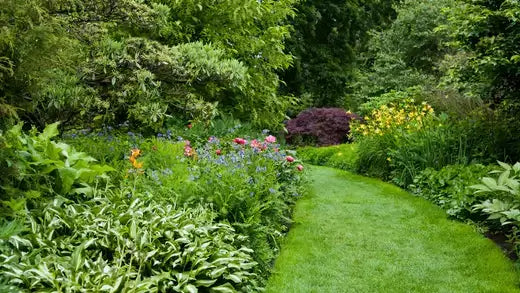
Ground covers can provide a means for the landscape designer to express themselves․ They can add dramatic contrast or blend in with the rest of the landscape design․ Moss or mat-forming creeping juniper intermixed with tall-growing plants can create the concept of movement in the landscape design․ Ground covers can also be used as pathways and edges to help demarcate different spaces․ They can guide the eye of the observer along pathways and edges through gardens‚ either overtly or subtly‚ and can be used around trees‚ shrubs‚ and other areas of the garden to help tie different areas together․ Gardeners can accomplish this by selecting ground covers that differ in color‚ texture‚ and habit․
Groundcovers Help with Problem Areas
If the garden has slopes‚ these can be especially problematic‚ as slopes are difficult to plant and prone to erosion/runoff․ Ground covers can be helpful in such scenarios․ The creeping and spreading growth habit‚ and the fibrous root structure of ground covers and carpets‚ including that of creeping rosemary or sedum‚ make them suitable in helping to stabilize such sites‚ since they can take root readily․ However‚ gardeners can make the most of a slope by terracing it or planting a rock garden or ground covers‚ which add to the aesthetics of the landscape․ By placing rocks and ground covers on a difficult‚ but ugly slope‚ a homeowner can create a slope that is lush and beautiful․
In conclusion‚ ground covers offer an exciting and practical solution to anyone seeking to create an aesthetically appealing landscape‚ while improving the ecosystem‚ with less maintenance than customary landscaping․ Any gardener can successfully utilize ground covers‚ so long as they have appropriate knowledge of plant selection‚ uses‚ design‚ and maintenance․ These unassuming plants provide utility for a number of purposes in all types of garden and can be used to great effect․ The pleasures of ground covers open up an entirely new world of enjoyment and creativity‚ encouraging everyone to step outside and see the beauty of the outside world․


