

Slicing Through the Myths: A Comprehensive Examination of Sawgrass
Sawgrass is a unique plant that can be found in the various ecosystems of the Florida Everglades. In paintings as well as movies, this plant is often romanticized because of the environment that surrounds it. In this essay, I will seek to cover everything there is to know about sawgrass, from its ecosystems to its cultural and scientific relevance.
Ecological Marvel of Sawgrass
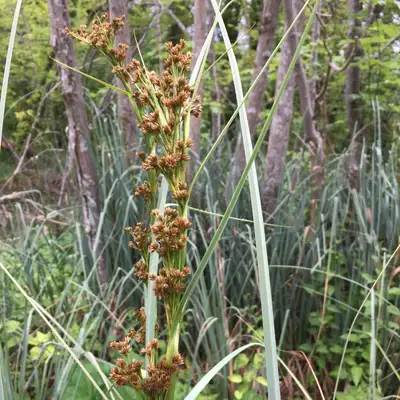
Sawgrass is a wetland grass found in the southeast United States, especially in the Everglades. This plant is classified as Cladium jamaicense and is a grass perennial. There are towers of sawgrass that provide shelter and food to many types of animals, such as birds, reptiles, and mammals.
towers of sawgrass Sawgrass is a wild plant that is also able to stabilize peat, hence it is able to prevent the erosion of wetlands and support the filtering of water. It absorbs and holds excess nutrients and many kinds of pollutants and easily supports the various forms of life that thrive in these terrains. It will look great beside Chinese Silver Grass in your landscape.

Cultural Symbolism of Sawgrass
Sawgrass is used to make baskets, hats, and also mats. Indigenous people like the Miccosukee and Seminole tribes view sawgrass as both resilient and versatile. This bond that these tribes have with the land forms a fundamental part of their cultural identity.
Scientific Intrigue and Research
SignificanceScientific studies involving sawgrass have stayed focused on its amazing characteristics. Floating on water, drought, and low nutrient soil have posed questions, to which scientists have worked to explore the adaptibility and genetic potential of sawgrass. The research concentrates on the productivity of the everglades.
Its ecosystem can support the sawgrass and depend on its genetic resolve. The sawgrass epal is certainly something that scientists have explored deeply. The Sawgrass is a field used for scientific research. A great plant to pair this with is Purple Love Grass.
Challenges and Conservation of Sawgrass
The sawgrass tautology has faced renewed agri cultural threats. Farming, urbanization, and deforestation, caused by the melaleuca and old world climbing fern tend to contradict the existence of the sawgrass ecosystem. The sawgrass and the everglades ecosystem off the sawgrass epal have faced water miscomfort and have been dealt invasive cohesiveness. The wetlands system followed by invasive plant control is a balanced approach.
Visit TN Nursery
We hold two primary values that we espouse on all matters. We aim to protect the very essence of native plants like the sawgrass and have worked tirelessly to educate our visitors on the importance of reducing anthropogenic threat. Guide deliberate action to visit the TN nursery where we can help you integrate and cultivate nature around with everglades supporting sawgrass.
We have native weeds; the action of all of us can steer and recharge the sawgrass system. The integrated adoption of global and ordinary actions. The local small business is supported through our actions and head should explore the ecosystem instead of just cash flow to integrate.
The everglades with the sensitive collectibles tend to hold hope if we put united. For the healthier everglades and ourselves, with each some sawgrass, its support ecosystem, and the neck to neck opposition to old world climbing fern and melaleuca.
FAQs
What is sawgrass?
Sawgrass grass is a type of grass that is common in the Everglades, and it is a grass because it does not have a woody stem and is a plant that can be grown perennially. It also stabilizes soil and filters water. All of this very important plant life is critical for everything that lives in the wetlands.
Why do they call it sawgrass?
Sawgrass is called this because along with the width of the leaves and their length, they also have a tapered pointed end and the edges of the leaves that comes along with that are very sharp and jagged, neighter of which this plant is very hard to recognize.
What animals eat sawgrass in the Everglades?
Sawgrass is also the food source to many animals and used for grazing by animals such as deer, rabbits, and even alligators. Many birds, reptiles, and insects also use the very thick and dense stands for shelter.
Is sawgrass native to Florida?
Absolutely, sawgrass is native to Florida, and mainly grows in the Everglades where it is very plentiful and the conditions are very much wet.
What is sawgrass famous for?
Besides mainly been recognized for its ecological significance to the Everglades, also soil and water filter and stabilizes, and permits wildlife all on its own, which is why it has been given such recognition. Along with all these, its uniqueness and cultural impact are also the reasons for fame.
Does sedge come back every year?
Yes, sawgrass is a perennial plant, meaning it comes back every year. It remains a prominent feature of the Everglades ecosystem.

