
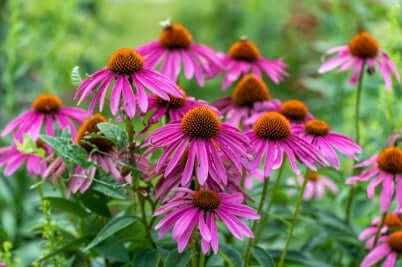
Purple coneflower, also known as Echinacea purpurea is one of our customers' favorite flowering perennials for its stunning flowers and carefree growth habits. For both the seasoned gardener and novice, this native perennial is a great choice for adding colour and beauty to your landscape.
In the following, we address some of the most common purple coneflower questions so you can plant them confidently.

Do Coneflowers Love Light or Shade?
Coneflowers grow best in the sun and need 6–8 hours of sunlight per day to bloom fully. Though they are tolerant of shade, too much shade may lead to fewer flowers and stunted stems. Planting in a shaded location should also keep the soil well-drained, because too moist could slow their development.
If We Keep Buying These, Will There Be More Coneflowers Every Year?
Yes! Coneflowers are perennials, which means that they can return year after year with proper care. In colder regions, they shrivel up during the winter and re-emerge in the spring. They grow well in USDA zones 3–9, which makes them adaptable to any conditions. Cut back the shorn stems in late fall or early spring for the best results, and you’ll reap the health benefits of healthy new growth.
Do Coneflowers Spread Easily?
Coneflowers germinate both from seeds and from their clumping roots. Though they’re not invasive, they can over time infiltrate an area and blanket the ground with flowery flowers. Deadheading (eliminating spent flowers) discourages them and prolongs flowering. If you would like to promote natural reseeding, let a few blooms mature and drop their seeds.
What Are the Advantages and Negatives Of Coneflowers?
Pros:
Easy to Grow & Low Maintenance:
Purple coneflowers are very easy to thrive and grow and require very little maintenance once established. Easy on Pollinators: Their showy blooms fend off bees, butterflies and hummingbirds, all benefiting local ecosystems.
Purple Coneflower Coneflowers Purple ConeflowerConeflower is drought tolerant: Once established, coneflowers tolerate dryness and therefore are suited to the low watering landscape.
Long Season:
Coneflowers bloom from early summer through late fall, bringing you months of color.
Universal Applications:
They grow well in gardens, wildflower gardens, and naturalized areas.
Cons: Pests:
While mostly drought tolerant, they may occasionally attract aphids or beetles.
Seed Distribution:
If not controlled, they may extend beyond the field to be used. Moist Blooms in Shaded Places: If you aren’t getting enough sunlight, the flowers will wane and look less beautiful.
Planting Purple Coneflower
The plant grows between two and four feet tall which adds vertical dimension to gardens yet maintains a gentle natural appearance. The plant remains in bloom during late summer and early fall which allows it to extend garden beauty while other flowers fade away. The dried seed heads remain as an architectural feature in the landscape throughout winter providing texture and structure beyond the bloom period.
The Eclectic Medicine movement adopted this resource as a cornerstone between the late 19th century and early 20th century because this branch of early American medicine emphasized the use of botanical remedies. The antibacterial properties and immune support of this substance made it highly effective for respiratory disorders and skin diseases, as well as blood poisoning. Modern scientific research keeps confirming the effectiveness of many traditional applications, although their medical role has transformed over time. People commonly use plant extracts and teas today to enhance immune health and fight seasonal illnesses.
European colonists observed indigenous medicinal uses of this plant and rapidly adopted it into their own healing practices. During the 19th century American herbal medicine established this plant as a key remedy available in apothecaries for treatments ranging from snake bites to typhoid fever. While modern pharmaceuticals diminished the popularity of numerous medicinal plants this species stayed a respected botanical which contemporary herbalists and naturopaths continue to use today.
Purple Coneflower boasts an extensive historical legacy that connects indigenous traditions to early medical practices and contemporary landscaping uses. This colorful perennial plant can trace its origins back to the central and eastern parts of North America where it has existed for centuries across prairies, meadows, and open woodlands. The Cheyenne, Lakota, and Comanche tribes were among the first to identify the remarkable properties of the plant. The native tribes utilized all parts of the plant including roots and flower heads to heal conditions like sore throats and infections.
Frequent hummingbird visits occur because the plants display vibrant colors and offer simple nectar access. When the plant produces seeds the changing seasons bring goldfinches and small songbirds to feed on dried cones which helps the plant sustain its ecological contributions beyond its flowering time.
Purple Coneflower shows its worth through both garden cultivation and medical use because of its long and colorful history. The plant's importance has remained constant as it has evolved from indigenous healing uses to modern herbal applications. Anyone who wants to create a successful pollinator-friendly garden should grow this plant because it has attractive features and withstands harsh conditions while drawing rare wildlife. This remarkable plant produces an ongoing significant impact through its beauty, medicinal properties, and ecological contributions.
This plant thrives in high temperatures and poor soil making it the top choice for xeriscaping which involves minimal water use. Wildflower meadows and naturalized prairie plantings feature this plant as an essential component because it helps maintain ecological balance while enhancing biodiversity. Urban gardens benefit from this plant because it produces essential nectar that sustains pollinators in limited spaces. Its adaptable nature makes this plant an essential choice for landscape designers and home gardeners when it is used in mixed perennial borders, pollinator-friendly gardens or medicinal herb beds.
Early botanists and settlers documented this North American native and quickly recognized its strong medicinal properties. The natural abilities of this plant enabled indigenous healers to treat infections and relieve pain while strengthening immunity. Native healers would chew the roots directly or prepare them as teas to treat colds and fevers while also providing relief from toothaches. The substance was spread on burns and wounds and used as a poultice for insect stings.
Its essential function in maintaining ecological balance makes it indispensable for gardens dedicated to conservation. Through planting this species gardeners assist in growing pollinator numbers they promote ecosystem diversity and they aid endangered species which depend on local vegetation for their existence. Wildlife depends on the plant for sustenance within urbanized environments which demonstrates its value beyond simple ornamental uses.
The perennial plant which appears attractive in gardens serves as a vital resource for supporting diverse wildlife that includes some rare and essential species. The plant stands out because it draws pollinators like butterflies, bees, and hummingbirds to its flowers. During their migratory journey monarch butterflies rely on the nectar-rich blossoms for food which also serve as an essential food source for native bees including the vulnerable rusty-patched bumblebee.
Purple Coneflower has become a staple in cultivated gardens because of its charm and hardiness as well as its pollinator-friendly properties. This plant garners popularity among gardeners because of its enduring flowers and exceptional drought resistance, as well as its adaptability to different soil types. This plant is suitable for cottage gardens, native landscapes and formal designs since its vibrant colors stand out against green foliage.
Purple Coneflower and Wildlife
Purple Coneflower demonstrates unmistakable visual charm through its sizable daisy-like blooms which display bold petals that droop away from a prominent raised spiny center cone. Its petals shift between light pink and deep magenta hues while its dark green lance-shaped leaves create a striking contrast. The flower's central cone serves as more than decoration because it attracts pollinators and eventually provides bird food when seeds develop.
Why Plant Purple Coneflowers in Your Garden?
Purple coneflowers are an established, hardy, and beautiful plant to plant in your garden, offering easy care and environmental benefits. Their colourful blooms and wildlife appeal make them an excellent option for gardeners who appreciate form as well as utility.
So, are you interested in having purple coneflowers in your backyard? Check out the inventory at TN Nursery and let us help you design a pollinator-friendly garden!

