
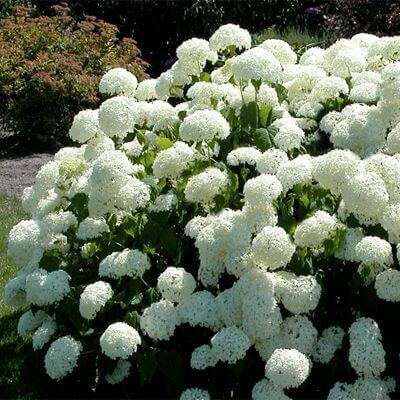
Hydrangea shrubs, known for their impressive voluminous blooms, are a popular addition to many gardens and landscapes.
Hydrangeas, scientifically known as Hydrangea Macrophylla, are native to Japan, China, and Korea, and belong to the Hydrangeaceae family. Their large flower heads come in a variety of colors, including blue, pink, purple, and white.
One of the fascinating aspects of hydrangeas is that the color of their flowers can change based on the soil pH. In acidic soils, the flowers tend to be blue, while in alkaline soils, they lean towards pink. This color-changing ability adds an element of intrigue to these already captivating plants.
Hydrangea shrubs typically have broad, dark green leaves that provide an attractive backdrop to their blooms. The blooms are composed of small, fertile flowers surrounded by larger, showy sterile flowers, creating a lush and full appearance. This distinctive floral structure is what makes hydrangeas so visually appealing and sought after in garden design.
Snow Hill Hydrangea
Did you know that one of the most beautiful shrubs of the southeast can be grown from seed? Indeed, Snow Hill Hydrangea seedlings quickly grow into these deciduous shrubs. The shrubs fill with clusters of small creamy-white flowers that form in spheres that look like snowballs in summer. Their foliage has lush, green textured leaves and velvety soft, tan stems.
Where Should You Plant Snow Hill Hydrangea Seedlings
According to the USDA, Snow Hill Hydrangeas will grow best in hardiness zones 4-9. Growth occurs from June through August. You can plant the Snow Hill hydrangea both indoors and outdoors. They're commonly used to line a border as a showpiece shrub. They also add pop and beauty to other points in the landscape. To get the most out of them, plant them in sheltered locations with sunny mornings and shady afternoons, typically on the north or south side of a home. While they can share some nutrients with other plants, it's not recommended to plant them directly under trees.
Soil and Sunlight for Hydrangea
There are several different characteristics of bloom type and colors in the hydrangea family. Soil type can also affect the colors of blooms in some varieties such as the Nikko Blue variety. The height of hydrangeas can vary from 4 to 12 feet to even 25 feet depending on the variety. Taking the full mature height of a hydrangea into consideration is important in knowing the perfect placement in the landscape.
Hydrangea Varieties
All types of blue hydrangeas differ in cold hardiness. Most cultivars are derived from Hydrangea macrophylla which is cold hardy to zone 5. However, here are important notes:
About Hydrangea
Early bloomers: Some sorts may start flowering as early as May, though most are likely to flower in June.
Peak bloom: All reach their peak and are in full bloom during July and August, providing the best view.
Snow Hill Hydrangea Seedlings Like Well-Drained, Acidic, and Fertile Soil
While these shrubs are best suited to full sun, they are also shade tolerant, making the Snow Hill hydrangea seedlings extremely flexible. Expect them to grow 3-5 tall and wide.
Once they are fully grown, they have proven to withstand frost but should be protected from significant winds. They are also relatively pest and disease resistant. Given how little maintenance these shrubs require, it's not much of an ask. Keeping the soil moist with two to four inches of mulch at its base helps slow water evaporation.
Like many hydrangea species, Snow Hill hydrangea can benefit from occasional fertilization to support its growth and blooming potential. A balanced fertilizer applied in spring can provide the necessary nutrients for healthy development.
Planting Hydrangea
A protective barrier may be created using rigid foam insulation panels as well. Fleece jackets can be purchased and used to protect the pot and plant. Or, you may purchase fleece fabric and wrap it around the potted plant to protect it from the elements.
Propagation methods for hydrangeas allow for producing a greater number of flowering plants without purchasing new ones. Of these methods, the most common and easiest is to take cuttings in late spring or early summer when the plant is most actively growing. Choose healthy vigorous stems and cut them six to eight inches long. Remove the lower leaves. Set them in a potting medium until well rooted. Keep them moist without being too wet, and set them in a location with indirect sunlight. In a few weeks the cuttings should have rooted and you'll have new hydrangeas to plant in your own garden or give away as gifts .
Although people mainly cultivate Blue Hydrangea for its decorative features, they have also studied its potential medicinal uses. Asian herbalists have used root and leaf extracts for hundreds of years because they think these extracts possess diuretic and anti-inflammatory benefits. Decoctions prepared from herbs served traditional medicine practices by treating urinary tract problems and supporting kidney health. People always handle this plant carefully because some of its compounds become toxic when consumed in large amounts. While modern herbalists research its possible applications in medicine, the plant remains mostly used for landscape decoration.
Hydrangeas are also easy to grow and do very well in many planting zones and soil types. In warmer climates the bloom season can extend into autumn. The soil type hydrangeas grow best in is moderately moist with plenty of organic material mixed in. These plants are one of the most versatile for planting in many different types of hardy zones.
The most optimal location to plant Nine Bark Hydrangea would be in an area that gets full to some partial sun. Find an area that has some moist soil that drains. Although the plant can handle some shad more sun would be optimal for the plant to grow. There should be plenty of room for the shrub to grow as Nine Bark Hydrangeas can grow as much as 10 feet.
Hydrangea Care and Watering
Pot Size: Select a pot with enough hole openings to avoid water clogging, which may lead to root rot. 20-litre depth - A pot that is perhaps 12 inches in diameter may often be adequate.
Type of fertilizer : A brand with a 10-10-10 ratio can be applied but other gardeners choose one with low Phosphorus to increase blue flowers.
Pruning Snow Hill Hydrangea Shrubs
Pruning is an essential aspect of Snow Hill hydrangea care. It is best to prune these shrubs in late winter or early spring before new growth emerges. Careful pruning can help maintain the shrub's shape, remove dead or weak growth, and encourage robust blooms in the upcoming season.
Pruning Hydrangea
Big Leaf Hydrangea consists of both lace cap and mophead varieties. They may be cut back in the fall or early spring. Do not remove any stems that have not bloomed - these contain next year's blooms.
Hardy hydrangeas bloom on new wood; therefore, they are generally cut back to the ground. If taller plants are desired, the shrub may be cut back to a height of one to three feet.
Snow Hill Hydrangea Stays Fresh All Summer
These low-maintenance shrubs are great for hiding exposed house foundations, to line a walkway or sidewalk, or even create a natural privacy wall.
Another huge benefit of them is that the resulting blooms can be cut and used for beautiful arrangements. Many florists use the balls of flowers for centerpieces or dry them for arrangements all year long
Snow Hill hydrangea seedlings grow into beautiful, low-maintenance shrubs that some gardening enthusiasts feel guilty about how little they have to do to keep them thriving. Homeowners often comment about how many compliments they get from neighbors, who often assume they have toiled over these plants to deliver such exquisite blooms for a long time. As for duration, the investment you make in Snow Hill hydrangea seedlings will pay off, as many plants have been reported to last for over a decade. The Snow Hill hydrangea is known by many names, including Hydrangea Arborescens, or Hills-of-Snow hydrangea. Whatever you call it, know that it is an easy-care shrub that delivers long-lasting, magnificent balls of flowers throughout the entire summer.
Want one in your garden? Shop smooth hydrangea plants here
Hydrangea in the Landscape
As seasons change, so do the colors of hydrangeas. The colors of the blooms can be changed throughout the spring, plus sometimes there are new shoots opening every spring in pastel shades. Summer is a riot of color, as flowers burst into bloom in a fantastic profusion of vivid hues, and sometimes, as autumn sets in, they appear in deeper and richer tones, or muted plums or rusty reds that lend gardens a more drowsy look. But there is no need for hydrangea plants to be visually dull during the winter months either. The shrub's attractive branched structure and, if left on, dried flowers or frosted leaves can also contribute to the winter landscape and may improve the gardener's appreciation of hydrangea throughout the year.
Shop Our Snow Hill Hydrangeas


