
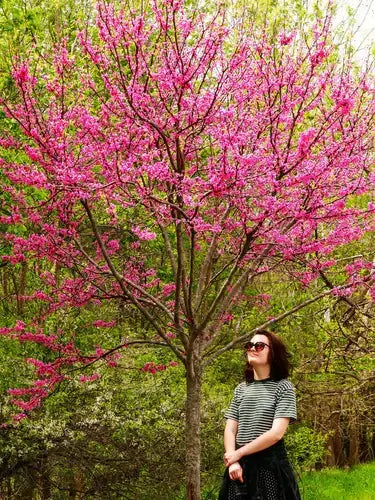
Putting in mature trees is one of the fastest ways to change the look of your yard. Younger trees can't compare to these in terms of quick shade, structure and beauty. The cost of Mature trees mature trees and the most important considerations when planting large trees should be understood before you start digging, though.
To make sure they last a long time mature trees need to be carefully planned for handling on a regular basis. Whether you want instant landscape trees that make an impact right away or mature fruit trees like apples and persimmons, each has its own needs and costs that every homeowner should be aware of.
Understanding the Cost Breakdown
Size, type, age and transportation needs are just a few of the many variables that can affect the cost of mature trees. Most of the time, the bigger and older the tree, the more it costs. But there are other costs to think about besides the buying price that many homeowners miss.
Let's take a closer look at what changes the total investment:
- Size of Tree and Type: The price goes up as the tree gets taller and more mature. Apple trees that are older or ornamental trees with wide branches usually cost more.
- Transportation and Tools: To move a mature tree, especially a big one, you need cranes or special trucks.
- Planting and Care Afterward: Professional planting makes sure that the tree's roots are in the right place and that it does well in its new home.
When you look at different prices, keep in mind that mature trees are investments that will pay off over time. Their immediate effect makes the outside of the house look better, raises the value and shortens the time it takes for shade or food to grow.
For example, the Apple Fruit Trees at TN Nursery are a great choice if you want mature fruit trees that produce fresh fruit quickly. They are hardy, flexible and produce tasty fruits while making your yard look nice.
Key Considerations When Planting Mature Trees
There's more to planting mature trees than just digging a hole and putting the trees in it. It takes accuracy and care to move these trees because they are already established. Considerations when planting large trees should be taken into account before making a purchase:
1. Getting the site ready
Look at your soil type, how much sunshine it gets and how well it drains. Trees that are already fully grown need enough root room to become stable and get nutrients.
2. Fits with the climate
Pick species that do well in the area where you live. This makes the tree less stressed and lowers the cost of upkeep.
3. How Big and Where to Put the Root Ball
So that it doesn't suffocate or rot, the root ball should be placed level with the soil around it.
4. Adding mulch and water
For the first year after being moved, mature trees need to be kept moist. Mulching keeps the soil wet and keeps weeds from growing.
Think about how much upkeep you're willing to do before you buy instant landscape trees. One example is the Persimmon Tree Seedlings at TN Nursery, which are both aesthetically pleasing and good at producing fruit. Their shiny leaves and bright orange flowers make them look nice and they're pretty easy to take care of just water them and prune them regularly.
How to Choose the Right Mature Tree for Your Yard
There are differences between mature trees. What you should do rests on your goals, the way your property is laid out and your own personal tastes. Whether you want shade, seasonal colour, or food, choosing the right plants will make your space look nice and work well for a long time.
Here are some things to think about as you make your choice:
1. Think about the purpose and function
You should think about what the tree will do for your yard.
- Oaks and maples are excellent instant landscape trees because they provide shade.
- Mature fruit trees, like mature apple trees and persimmon trees, add both beauty and wealth to edible landscaping.
2. Look at the space and the room for growth
Make sure the tree's roots and branches can spread out without getting in the way. When there are too many trees in an area, they may have trouble getting enough sunshine and food.
3. Take a look at seasonal interest
Choose trees that are interesting to look at all year. Flowering trees, like crabapples and decorative pears, can have bright flowers in the spring and leaves that change colours in the autumn.
4. Needs for maintenance
Think about how much time you have to prune, feed and water your plants. Hardy plants that do well in your area are often the best low-maintenance choices.
For example, TN Nursery's mature apple trees bloom in the spring and bear fruit by late summer. Not only are they beautiful, but they're also good for families who like eating fresh, local food. Putting them next to Persimmon Tree Seedlings can give your yard contrast and look good all year.
Tips for Successfully Transplanting Mature Trees
The right time and method are very important when moving or planting mature trees.
- Plan for late autumn or early spring: The mild weather during these times will help prevent transfer shock.
- Give the tree support: Use sticks to keep it standing straight until the roots are fully established.
- Do the following aftercare tasks: Once a week, give the plants a lot of water and check them often for pests or diseases.
FAQs
Where can I buy mature trees for planting?
Reliable gardens, such as TN Nursery, sell both ornamental and fruit-bearing trees that are of high quality. You can buy mature trees and instant landscape trees from them.
What is a mature tree?
A tree is fully grown when it has hit its full height and canopy spread and these trees when fully grown will improve the scenery right away.
When to trim mature trees?
Late winter or early spring before new growth starts is the best time to trim. This shapes the tree and gets rid of parts that are weak or sick.
What do mature trees cost?
Size type and installation requirements all affect the cost of mature trees. You can expect to pay more for big and well established plants that take effect right away.
How to buy a mature tree?
First write down your landscape goals and the weather and the room you have available. Talk to a trained arborist or a local nursery for advice on how to choose and care for different species.


