
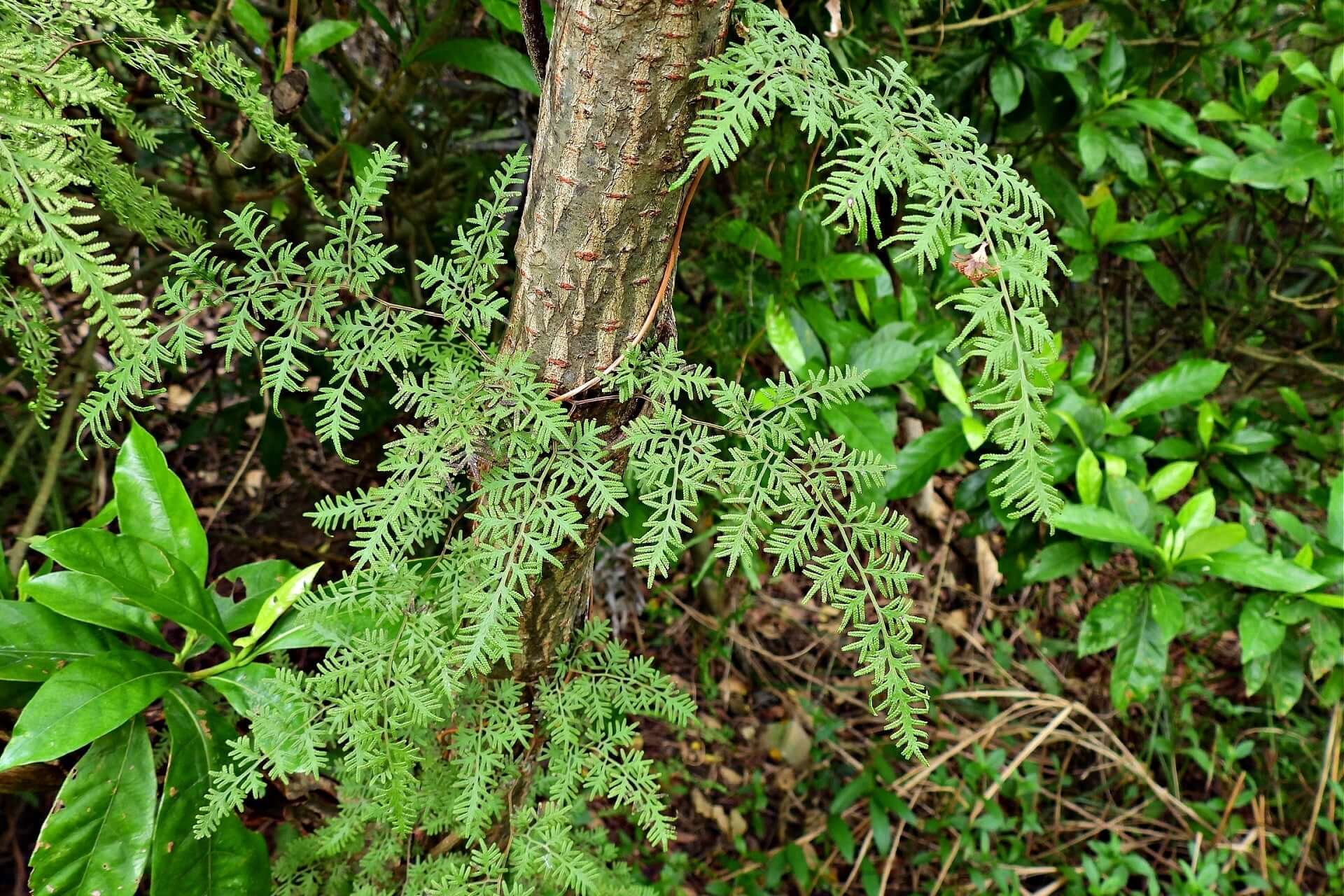
One of the most interesting plants you can put in your garden is the Japanese climbing fern. Known for its light texture and ability to climb elegantly, it forms soft green layers that add depth to sunny or partially shaded areas. Because it twines, this fern can cover trellises, fences and the edges of wooded areas in a unique way. Because this plant adapts well to moisture, warm climates and filtered light, it thrives in spaces where many ornamentals struggle.
This guide talks about how the climbing fern grows, what it needs to be cared for, where it does best and all the different ways you can use it in landscaping. You'll also find advice on how to keep plants from growing too quickly, pick ferns that grow well together and keep shade gardens healthy.
What Is the Japanese Climbing Fern?
Southern US here
The Japanese climbing fern is a delicate vine-like plant that comes from Asia but can now be found in warm, muggy parts of the southern US. This type of fern comes up by twining around buildings or nearby plants, while most ferns stay low and rounded. It has lacy leaves that make it look soft, almost fluffy and it grows new fronds all through the growing season.
For farmers looking for unique native ferns, this plant is a good choice. It doesn't come from the US, but it looks great in natural wood plantings. A lot of people who grow in the shade love the fern because it can be used in many ways and can add vertical green accents.
This fern is great for borders, forest walks and trellises that get some shade because it has a soft feel and a bright green color. It makes stacked layers that look beautiful and feel natural when mixed with classics like Maidenhair Fern or tough picks like Bracken Fern.
Why Gardeners Love Japanese Climbing Ferns
Fern
This plant is popular with gardeners since it can grow in many different places and looks good. It makes gardens in the shade, along the water's edge, and in the woods look nicer by giving them a gentle, flowing feel. It offers a blend of easy care, uncommon growing habits, and smooth movement for anyone who want to add climbing ferns to their gardens.
One huge feature is that it can grow without being too hefty or woody. The leaves are light, so it falls gently over supports. The climbing fern grows quickly in warm, wet regions, so it's great for gardeners who want to add plants right immediately.
People who garden also love the fern because
- It does well in places where flowering plants have trouble.
- A soft, tropical look is added to shade plants with it.
- In peaceful, natural settings, it looks great.
- It grows well with other plants that like wet conditions.
- It can serve as a living curtain when given vertical support.
People who want to make woodland-inspired patterns or lush, shady spots often use this plant. It adds height, softness and movement to areas that are usually flat and low-growing.
Best Growing Conditions for Japanese Climbing Fern
Japanese climbing ferns do best in warm, wet places where the weather stays damp for a long time. What farmers need to know about Japanese climbing fern care is how much light and water they need.
Light Requirements
This plant does better in light shade than in some shade. The leaves may get burned in the afternoon sun, and growth may slow down in deep shade. It does best in dappled forest light, which is light that comes through trees slowly.
Soil Preferences
The best dirt is rich and moist. The fern does best in soil that has compost, leaf litter or other organic matter in it. Soil that is a little salty makes plants and colors grow better.
Water Needs
It's important to have consistent wetness. The plant can handle short periods of dryness, but dry soil will turn the leaves brown. This fern grows very quickly and easily makes more plants in places that are naturally damp.
Temperature and Humidity
Climates that are warm help plants grow faster. The plant stays green all through the growing season because humidity stops the leaves from drying out. This is the reason why farmers in the south see the most growth.
The Japanese climbing fern grows even better when placed with Maidenhair Fern, which also does well in moist shade. This is because the nearby ferns create more humidity and natural mulch for the climbing fern.
How to Plant and Care for Japanese Climbing Fern
The Japanese climbing fern is easy to take care of if you know what it needs in terms of water, shade, and soil. If you want this climbing fern to grow in a healthy way, follow these steps:
- Maidenhair Fern
Choose a place with shade:Pick a cool, partly dark area where the climbing fern can grow without direct sunlight. This keeps the leaves safe and helps the plant grow steadily.
-
Use rich, wet soil:For good roots and right Japanese climbing fern care, prepare soft, organic soil.
-
A lot of water:Make sure the dirt stays damp all the time. Unique native plants like this one need a lot of water to stay lush and green.
-
Offer support:Put up a fence or ladder so the climbing fern can easily grow up and spread out.
-
Trim just a bit:Cut back long stems on climbing ferns for gardening to slow down their fast growth and keep the leaves looking fresh.
Preventing Overgrowth and Managing Fast-Growing Ferns
In warm places, the climbing fern grows quickly, so farmers have to keep an eye on it to make sure it doesn't spread to places it shouldn't. It can stay a beautiful and manageable part of the yard as long as it is taken care of properly.
To prevent overgrowth:
-
Regularly cut the runners: This keeps the plant inside and stops it from growing too quickly.
-
Building a wall: Planting in raised beds or areas with borders stops plants from spreading.
-
Control the amount of wetness: Too much water speeds up growth, so stay away from places that are too wet if you want slow growth.
-
Keep an eye on rising surfaces:If the plant grows too close to a building, just cut it back to let air flow.
A gardener's goal with Japanese climbing fern care is not to stop the plant's growth, but to direct it. This keeps the fern from taking over your shade yard and keeps it as an advantage.
Conclusion
The Japanese climbing fern is a lovely plant that can grow in a lot of different conditions. It makes places look softer because of its fine texture and smooth way of climbing. If you put this fern carefully and take good care of it, it will become a beautiful part of a natural garden. This plant will be useful for gardeners who like lush, green, layered fields, as long as they keep an eye on its growth and trim it regularly.
FAQ
Is Japanese climbing fern invasive?
It can grow quickly in warm, damp places, so it's best to trim it often.
Do Japanese ferns like sun or shade?
Maidenhair Fern
Perennial Package
They like shade that is light to mild.
How do you take care of a Japanese climbing fern?
Give them regular water, good soil, and some shade. Cut back on old or too much growth.
Where is the best place to put a fern in your house?
Pick a place that gets bright light from the side and has steady humidity.
How do I grow a Japanese climbing fern?
Give the fern something to climb if you want it to grow up. Plant it in rich, moist soil.
Which ferns grow well with Japanese climbing fern?
Plants that like to stay damp, like Maidenhair Fern and Bracken Fern, get along great with each other.


