
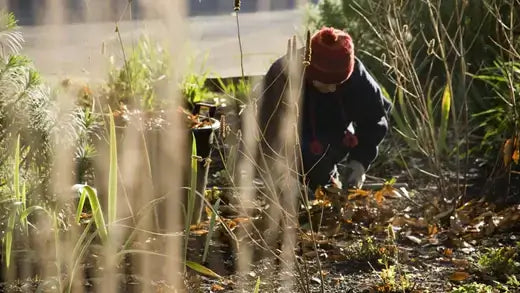
What You Need To Know About Gardening Tasks in January
With winter in full swing, most gardeners gardeners pack away their equipment and gear up for spring, waiting for the warmth to come back. It's cold, the ground is frozen, the trees are bare, and the bright, color-filled plants of summer are just a memory. While it's true that most plants are dormant in the winter, dedicated gardeners know that January is an important month for strategizing and planting.
January is a time to prepare for the spring. It is time to flip through catalogs and order supplies for the coming growing season. In places with warmer winters like Tennessee Tennessee, January can be an active gardening month, and with the right tools and supplies, you can really get a head-start on the growing season.
Starting the Gardening Season: Climate and Hardiness Zones
Before you can really get gardening, you have to know and understand your growing conditions. They can be unpredictable, but mapping your growing conditions provides a reliable guide for the best options.
The USDA Plant Hardiness Zone is a great system to use because it divides the country into zones based on the average winter temperature. Understanding this system can help you get an idea for the plants that are most likely to thrive in your area.
Almost all areas of Tennessee are in Hardiness Zones 6a to 8a. Although different zones may have different plants that are able to survive their respective winter temperatures, Tennessee's zone means that not many plants in the winter will die, but die-off is very possible. But hardiness zones are just a guideline, taking microclimates in particular.
A microclimate is a smaller scale zone that can exist within an area and can fluctuate the temperatures and conditions. A good gardener will take the hardiness zone into consideration, but also zone in on all the above factors to determine what plants can tolerate Tennessee's unique cycle of winter and spring.
Plants That Love a Winter Chill
Flowering Bulbs: Daffodils and Tulips
-
Strawberry
- asked questions Daffodils:Daffodils (Narcissus) are an endearing flower in yellow that is a garden favorite. They can survive shifts in winter temperatures, but they also will need some time of dormancy in the cold. In order to fully develop their root system, they need a period of cold in their dormant stage and a root system before the temperatures heat up to spring. January is the time to go to plant any bulbs you have left over in order to achieve a fully developed system before shifts occur.
- Tulips (Tulipa): Known for their vast array of colors and shapes, tulips also need a chilling period. While best planted in the fall, a January planting in a milder climate can still yield beautiful, albeit slightly later, blooms. Ensure they are planted in well-draining soil to prevent bulb rot in wet winter.
Cool-Season Flowers: Poppies and Larkspur
A late winter, freeze-thaw cycle is actually really good for some seeds as it stratifies them. This breaks down their outer coats and helps them germinate better.
- Poppies (Papaver): Flowers like the Celandine Poppy or Iceland Poppy are designed to be sown right on the soil surface in January. With a bit of winter weather and some magic, delicate and colorful flowers pop up in the spring.
- Larkspur (Delphinium Consolida): This relative to the Delphinium, larkspur, germinates in early spring and is known for producing beautiful blue, pink, or white flowers in a spire shape. It also germinates after winter and can be scattered on prepared soil.
Getting a Head Start on Your Vegetable Garden
You can really get started on vegetable gardening a long time before there's even a hint of frost. Gardening outdoors works for some hardy vegetables, but some others are best started indoors.
Planting Outdoors in January
If your soil is workable, some vegetables can handle the mild winter weather.
Asparagus, Perennial
This is some commitment in both time and money. Plant one-year-old crowns in January and prepare to be patient as they establish a root system all year. They can be lightly harvested in the second year.
Strawberries
Plant bare root strawberry plants now for a sweet harvest in late spring or early summer. There's a bit of a mountain to mulch around them, but it helps protect the crowns from frozen soil.
Onions Cabbage
If your seedlings have been hardened off, they can be transplanted in January. Onion sets and some types of cabbage are tough enough to be transplanted in the cold.
Starting Seeds Indoors
For plants that are even less tolerant of the cold, though, the most common and effective practice is to start them indoors. This gives them a protected environment to germinate and grow, making a strong seedling. Once the warm soil is available for transplanting, they'll have the best chance of surviving compared to directly sowing seeds into the garden.
- Slow-Growing Vegetables: Celery, cauliflower, and peppers need time to grow and mature, so if you want to avoid the stress of time, you can start them in January inside. They'll grow faster, and when the season is ready for them to go outside, they'll be mature enough to thrive.
- Cool-Season Greens: Lettuce can be direction-sown outside later in the season, however, if you want more consistent harvests, start it inside right now. Then, you can cut some of the tender leaves right and right off your windowsill. You'll have salad leaves long before it's warm enough to grow outside.
- Early Spring Flowers: Bright, happy flowers are always a nice addition to the garden. Indoor flowers can be started in January too, and they'll be ready to bloom. Grow lights can be used to help them along, and flowers like snapdragons, begonias, and geraniums are good, healthy bloomers.
January Garden Maintenance: Plan and Prepare
The work you do in January will determine the success of your garden throughout the rest of the year, pr.
Prune Dormant Plants
Many deciduous trees and shrubs can be pruned this time of year, and it's the best time for those specific plants. Without leaves, you can see the structure of the plant clearly, and you can make cuts that will help the plant shape itself in a way that is good for healthy growth.
Test Old Seeds
You probably don't think last year's leftover seeds will be any good, but just to be safe, do a quick test to check for germination. First, take a napkin and get it a little damp and then wrap your seeds in it. Put them in a plastic bag and just wait a week. If less than 50% germinated, be sure to get some new seeds.
Organizing Your Garden
You can use this calm period to sketch where you want your plants to go and execute a plan for your garden. Consider things such as where each plant can grow best in your yard, if plants grow to be a good size for collaboration, and how you can rotate your crops over time. A solid plan now prevents headaches later.
Start your favorite plants now!
January can be a month full of opportunities. The more you do in advance from now on, gardening will be more successful for the entire year. You'll be on your way to a successful spring.
Have you ever thought about growing a garden?
You can get everything you need for a successful garden from TN Nursery. Whether you need hardy perennials, bright colored annuals, or high quality seeds, TN Nursery has everything you need. Visit TN Nursery today to find everything you need for your landscaping project.
Frequently Asked Questions (FAQs)
What is the most common mistake of first-time gardeners?
Most of the time, they get super excited and jump in way too fast without a good plan. Doing this can cause the tasks you will need to do such as watering, weeding, and pest control to get overwhelmingly big, and it can take the fun out of the hobby. Garden tasks can feel like a big chore quickly.
What vegetable is best planted in January?
In most areas, asparagus is a great plant to plant in January. You will want to plant one year old asparagus, and it will be a good time to let your perennial get settled and establish its root system before the real growing season.
What seed should I start in January?
Slow-growing seeds that would do well starting in January are seeds for peppers, celery, and cauliflower. They will grow stronger and get out a full harvest while the weather warms.
What vegetables should not be planted next to each other in a garden?
Don't plant vegetables from the same family. Ex. tomatoes and potatoes. They attract the same prey and disease. Keep away strong flavored herbs, such as fennel from the veggies. They inhibit growth.
What is the most simple plant to grow?
Lettuce and leafy greens are so easy and great for beginners. They grow fast, have few bugs, and you are able to continuously harvest, as needed. These can all grow in the ground, pots, or a sunny window.


