
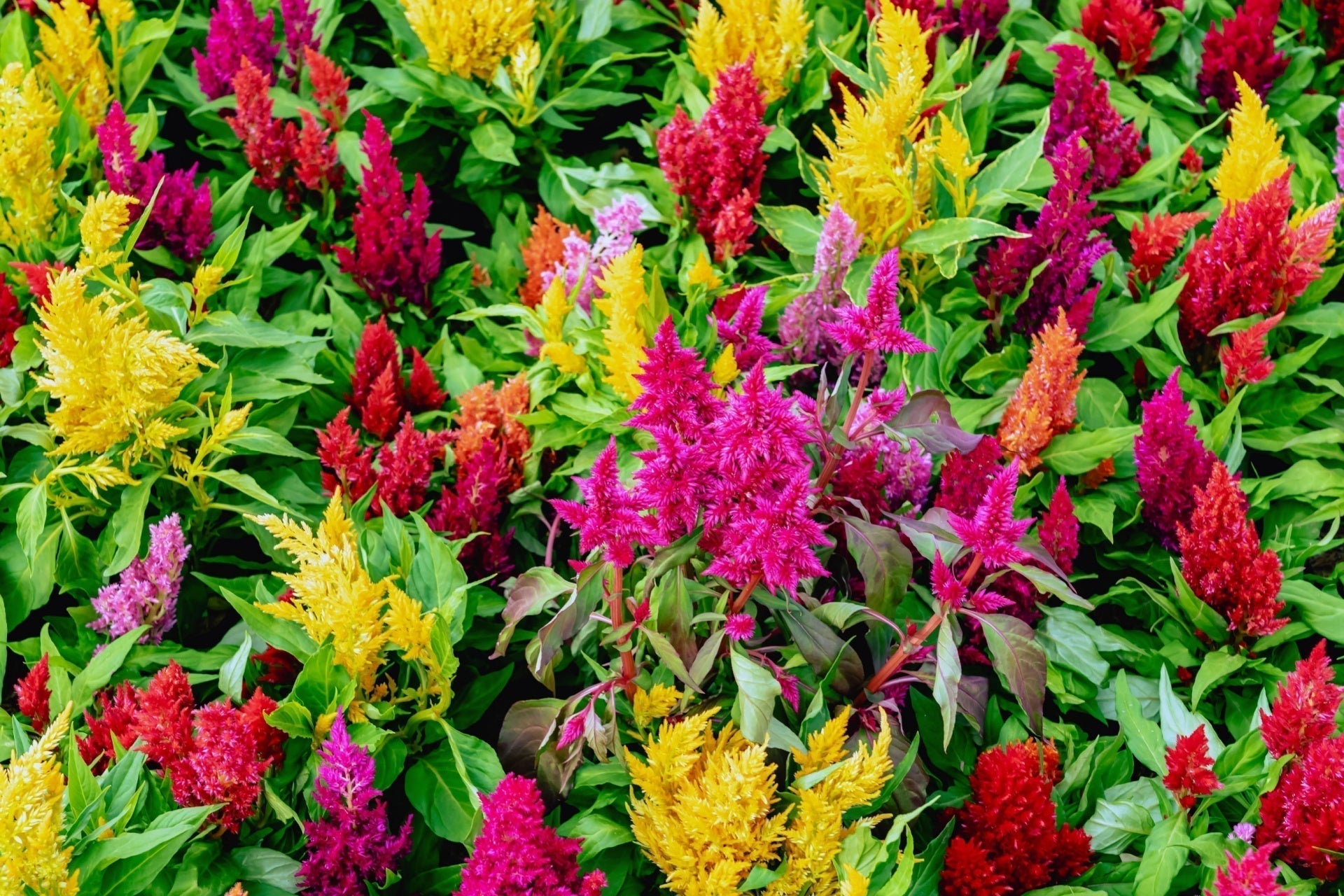
It continually comes up in the mind of gardeners: CELOSIA, is it perennial, or does it last a few days in summer? These are eye-catching plants with the velvety flame-like blooms preferred by adding a splash of color to flower beds and containers. However, you should first know whether your celosia plant care schedule is a seasonal annual or a true perennial which will reappear after every year when you begin to plant.
Concisely, in the cold climates, the majority of the celosia plants are treated as annual as they are unable to withstand frost. Nevertheless, in warm, tropical, or subtropical areas, celosia perennial types may be cultivated during several years provided they are provided with appropriate conditions.
What Determines if Celosia Is a Perennial ?
Celosia plant annual perennial can be classified according to your place of residence and your local climatic conditions. Celosia also has the potential to be an annual plant in the USDA Zones 10-12 since frosts are weak and winters are frost-free. However, below the 9 zone, cold weather kills the plant and thus, it is functionally an annual.
Here is the way to know what kind of celosia you can grow there in your garden:
-
Benefits
- Blazing Star Liatris Tropical Climates (Zones 10-12): Celosia plants are also able to survive throughout the year and even self-plant.
- Temperate Climates (Zones 2-9): Celosia is an annual plant, and it finishes its cycle once in a season.
- Watering Method Indoor Gardening: Celosia can live several years in containers in warm and sunny places where it is not exposed to frost.
This implies that, in the case of most gardeners, celosia would bloom beautifully within one growing season - however, with some effort, you can get it to live indoors.
Popular Celosia Varieties for Your Garden
The celosia flower types are available in various textures, shapes and colours such that it is among the most diverse flowering plants that you can plant. Some of the most remarkable types to consider are in the following:
- Moisture Celosia Argentea Cristata (Cockscomb): It has a bold and exotic appearance that is achieved through the use of its brain-like, ruffled flowers. This multiplies in red, yellow, orange, and pink, and is growing in hot gardens.
- Celosia Argentea Plumosa: This type has flame-like feathers that give it its height and provides vertical color to the borders.
- Celosia Spicata (Wheat Celosia): Celosia wheat is known to have spiky and wheat like flowers which are best suited in dried floral arrangements.
- Celosia Caracas: Small and low maintenance plant, ideal in container planting or as edging garden paths.
Celosia also looks good when used together with other colorful perennial plants like the Cardinal Flower that draws hummingbirds with its deep red flowers and the Blazing Star Perennial with its tall spikes of lavender.
How to Grow and Care for Celosia Year-Round
Celosia plant care guarantees long-term and beautiful flowers. These plants are tough and they do have their preferences in terms of sunlight, soil and moisture.
Sunlight and Temperature
Celosia thrives in full sun. Shoot towards no less than six to eight hours of sunshine each day. In cooler climates a warm place should be selected or mulch should be applied to trap soil heat. Although celosia can withstand high temperatures, frost will soon destroy it, and therefore, it is time to bring container plants inside when the nights fall below 50°F.
Soil and Watering
Celosia thrives well in well-draining soil, which has slightly acidic to neutral pH (6.0-7.0). In order to promote dense growth, compost or organic matter should be mixed beforehand and then planted. Likewise, water frequently without leaves on the soil; celosia likes regular water but it does not like to be overwatered.
If you are thinking about how to care for a celosia plant in the heat of summer, you need to deep-water it 2-3 times a week (and mulch the base to keep the soil damp).
Fertilization and Pruning
During the growing season feed celosia with balanced liquid fertilizer after every three weeks. Deadhead was done to promote flowering. Cutting off of old blooms additionally eliminates self-planting in case you want to have a controlled planting.
Celosia combines well with Indian Pink, a native perennial great in partial shade that provides a dramatic contrast and a great texture in the garden all year round.
Celosia Containers and Indoors
Celosia is the favorite plant to be grown by many gardeners in pots, as it results in a lovely patio or window view. You may take pots inside and overwinter your plants so that they can behave like authentic perennials.
In the case of indoor celosia plant care, the steps to follow are:
- Locate close to a sunny window or grow lights.
- Keep room temperatures 65-75degF.
- Let the topsoil dry and then water again.
- Prune every now and then to stimulate shorter growth.
Growing as Perennials
This method will serve to lengthen the life of your celosia and have the plants in flower several months longer than those planted outdoors.
Are Celosia Worth Growing as Perennials?
Although most of the climates do not support celosia as perennial, the uniqueness of the forms and its beautiful colors render it a worthwhile plant in any garden. Celosia perennial plants can be made to produce a magnificent show of everlasting flowers year after year in warm areas.
To a majority of gardeners, the decision to grow a celosia as an annual remains a reward since the plants yield in volumes of flowers during the summer season and in many cases, they will self-plant in the upcoming spring. They require little maintenance, can be used drought resistant and their flowers are friendly to the pollinators; hence making them to be an essential part of any ornamental garden.
Plant celosia and hardy perennials such as blazing stars or cardinal flowers in a dynamic combination in case you are crazy about long-lasting combinations of colors. To get more specific advice, refer to reliable sources such as the USDA Plant Database to ensure that the USDA zones of celosia variety you are dealing with are appropriate.
FAQ
Is celosia perennial in all climates?
No, celosia is not a perennial but only in frost free tropical climates (USDA Zones 10-12). In colder regions, it is typically an annual.
How long do celosia flowers last?
The duration of the blooms depends on the season and the nature of the climatic conditions in the area; the blooms last early summer to late fall when the plant is kept outside, and even longer when the plant is kept indoors.
Can celosia tolerate full sun or partial shade?
Celosia loves full sun, but can tolerate the light shade. Flowering can be suppressed by lack of enough sunlight.
How often should I water celosia plants?
When the surface inch of soil is dry. It is preferable to deep watering rather than light frequent watering.
Can I grow celosia in containers or only in gardens?
Yes, celosia is a good plant in pots as well as in garden beds. This enables easy indoor movement in colder months, which is facilitated by container growing making it act like a CELOSIA PERENNIAL.


