
Iris Cristata: The Complete Guide to Growing Crested Iris in Woodland Gardens
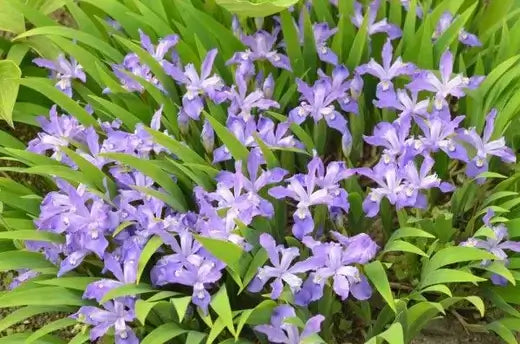
In spring‚ the blue‚ purple‚ or white flowers of Iris cristata cover most of the forest floor․ The small‚ native wildflower grows on shallow rhizomes and forms a dense groundcover after two or three growing seasons․ If the only place you have in your yard for grass is a spot under old trees that refuses to support grass‚ this three- to six-inch perennial is one of your best answers․ In Tennessee‚ it is a wild plant found in coves and creek bottoms throughout the eastern and central parts of the state․
Instead of the tall bearded iris that everyone thinks of‚ crested iris is a low stoloniferous groundcover that doesn't need staking․ Plus‚ it grows in the Central and Southern US from Georgia up through the Appalachians and west to the Ozarks‚ so it is already well adapted to our heavy clay soil‚ humidity‚ and freeze-thaw cycles that kill so many of the shade perennials․
What Makes This Plant Different
The name crested iris comes from the fact that a crest‚ or small raised ridge‚ runs down the center of each fall (the lower petal that droops downwards) with a distinctive bright yellow or orange stripe bordered by white․ The fuzz or beard of bearded iris is replaced by a crest․ The flowers‚ one to two inches across‚ are usually borne on short stalks above the foliage․ Iris modestum flowers in April‚ although‚ in a cold spring‚ they may not appear until early May․
After the two-week flowering period the plant earns its keep through its leaves․ They are broad‚ arching‚ sword-shaped and four to nine inches long and may remain attractive throughout summer and into fall․ They form a low green carpet that suppresses other plants and looks planted rather than leftover․ The rhizomes are quite small‚ greenish white‚ and sit at the soil surface․ This habit is one of the key features to understanding how to plant and grow this species․
Growing zones and site selection․
Iris cristata is hardy in USDA zones 3 through 9‚ meaning it can grow anywhere in the state of Tennessee and most of the Southeastern United States․ It prefers to grow in dappled or partial shade‚ such as under a large oak tree or the side of a building․ This shrub can scorch its leaves in full sun by mid-summer‚ but flowering may be diminished; deep shade under something like a Norway maple will reduce flowering only․
While soil is more important than most people think‚ this species thrives in slightly alkaline to neutral‚ humus-rich‚ well-drained but not too dry soils․ It grows on calcareous soils in its native habitat‚ on wooded hillsides and stream terraces․ If your yard has clay soil‚ the soil should be amended with a couple inches of compost or leaf mold before planting and good drainage is essential․ If it is allowed to remain standing‚ the plant's rhizomes will rot in a season; this is the number one reason a gardener loses it․
Planting Under Trees Without Damaging Roots
What many people don't realize and which is worth noting‚ is that you can't dig big holes around established trees without slicing through their feeder roots‚ which lie within the first twelve inches of soil‚ but since the rhizomes of the crested iris need to be only about two inches deep‚ there are only two possibilities․
You can top-dress․ Spread two to four inches of high quality topsoil with aged wood chips or shredded bark around the tree's root zone out to but not touching the trunk․ Let it sit for a few weeks‚ and plant your rhizomes in it instead of the native soil․ Alternatively‚ if you do not want to increase the soil volume‚ try planting it in pockets no deeper than 2 inches‚ working around the roots instead of cutting through them․ Either method will work‚ although top-dressing tends to establish faster‚ because it improves soil quality across the whole area at once․
Maple trees are one of the best known companions because their dense cover and tolerance to various soil situations are almost perfect for crested iris․ Oaks are also used․ It cannot grow well with shallower-rooted trees with aggressive root systems (e․g․ willows)‚ which outcompete the rhizomes for nutrients and water․
Spring planting‚ after your last frost from about late March through April‚ or early fall planting‚ from about late September through October‚ are the best times to grow in Tennessee as roots have time to become established before entering dormancy‚ and the stress of summer heat is avoided․
Ongoing Care and Watering
Water the plot deeply every 1 to 2 weeks for the first 6-8 weeks after planting‚ soaking the entire plot rather than watering around individual rhizomes․ Allow the top inch of soil to dry between watering sessions․ Once it has become established‚ constant watering can be more harmful than drought‚ as it encourages rot of the rhizomes․ In any case‚ whatever else is planted around it should be kept away from the trunk of the tree․
Once established (within two years from planting), crested iris requires little maintenance and should only require regular watering in prolonged dry spells (ten days or more without rain)․ A light feeding of organic low-phosphorus fertilizer as new foliage is emerging in early spring can encourage a heavier bloom‚ but fertilizers too high in nitrogen may tend to produce more foliage than flowers․
Divide clumps when the center seems thin, or there is little flowering․ This is usually every 3 to 4 years․ These rhizomes need to be immediately pulled and planted‚ as they will begin to dry very quickly and are difficult to store anything longer than a day or two out of the ground․
Pairing It in the Landscape
The low stature and moderate width of crested iris make it a good border plant for garden pathways in wooded areas‚ or in conjunction with other native plants tolerant of shady areas․ TN Nursery suggests planting together with ferns‚ wild ginger‚ or a flowering ground-cover such as creeping phlox‚ because the showy early blossom‚ when past‚ makes room for later bloomers․
If you need to create a shaded native garden bed‚ particularly if you want to establish a plant which has already adapted to Southeastern soil and climate conditions‚ crested iris is one of the easier and more reliable native options․
"

