
Heart-a-Bustin’ is one of a kind
Everything about this stunning shrub is unique. The flower and fruit forms are unlike any other And because of the abundance of the flowers in summer and the fruit clusters around the holiday season, this is a visually striking plant. Native to the southeastern and border, and however because of its abundance in many landscapes, it is, and highly striking, it is one of the most well loved garden plants.
Heart-a-Bustin' is a popular ornamental use plant in border, and informal settlings, and garden use. It is also a well loved southern garden plants. It is shrub is is loved in many garden landscapes attitude to a home to its visual presence. THis guide is is therefore southern use popular of visuals. And it is loved southern It is also southern. It is also southern. The guide is therefore southern popular to southern visuals to southern geography, containing southern. It is called fishwood, burning bush, and wahoo. It is named so because of the visual presence it adds to most landscapes.
A Closer Look at Hearts-a-Bustin'
Using traditional naming The Hearts-a-Bustin’ shrub is one of the most loved garden plants. It has features such as stunning flowers and fruit. This plant shows its best color and beauty in sport and summer. The flowers in spring are the they are the true beauty of the plant and are small and shape. To many, the flowers are a hidden beauty. To beauty. Nearby, the flowers are a hidden beauty.
These are hidden to. These also tend to go unnoticed. The lives hidden to other characteristics. These lives are also visually more. These visually. These visually. These will visually. The popular use in geography southern to southern, geography, southern geography. The popular use geography. So this geography continued popularity southern.
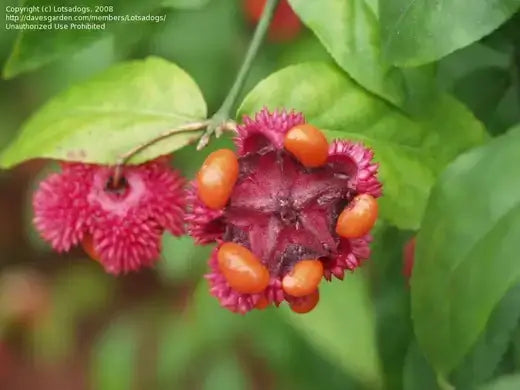
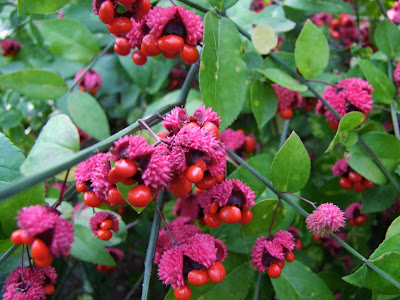
The real show kicks off when the weather cools down even more. The plant creates little scarlet wart-like fruit capsules that are an inch wide. When the fruit capsules are ready, they burst open, exposing bright, meaty seeds. That is how the plant got the nickname hearts a bustin. It is a spectacle for the eyes, with the seeds looking like they are burning on the background of fall leaves.
The leaves are sectional interest that the plant is able to show off. The leaves are green, leathery, and 10 centimeters long in the growing stage. They are also colored yellow and pink in the fall, and the color goes really well with the fruit capsules. The hearts a bustin bushes grow to be about 5 feet tall with a round form.
Planting and Caring for Your Shrub
One of the best parts about the hearts a bustin is how easy it is to grow. It does best in the same conditions as its native woodland understory home.
Light and Location
This bush is best suited for light to full shade. It can be in the sun, but in sunnier climates it will be fuller and produce extra fruit. The perfect place for this shrub is underneath the canopy of big trees or big bushes, as this will give the plant dappled sunlight and shade from the sun in the afternoons. This also makes it a perfect fit for the gardens and areas that tend to be quite shady as other plants may die in those areas.
Soil and Water Needs
Hearts-a-Bustin' is not too picky with the soil, although it grows best with well-drained soil that is rich in organic matter and is a little on the acidic side. You can add some compost or other organic matter during planting to help in making the best soil. Once established, this shrub is very drought-tolerant so it is great for areas where plants will get little water as well as for xeriscaping. Water this shrub during the first growing season to help it create a strong root system.
Trimming and Care
This plant does not need much care and does not need to be trimmed often as well. If you want to maintain a certain shape or size, you can, but you dont need to. Winter is the best time to prune because the plant is not actively growing, or you can prune at any time when the plant has leaves and don't cause much harm. Because the plant grows at a slow to moderate rate, it won't fill in your garden beds.
How Hearts a Bustin Affects the Ecosystem?
This plant is a valued member of the ecosystem. While many people love to plant it in their gardens, the leaves and the bright yellow fruit of the plant attracts lots of wildlife including birds. The birds love the bright yellow fruit and eat it in winter.
People who have a lot of deer near their gardens need to be careful though because the deer love eating the leaves and stems! They can sometimes kill the plant if it is not dead already. If you have deer around, you will need to protect your hearts a bustin shrub by fencing it in or using a deer repellent spray in the area.
Companion Plants for a Thriving Shade Garden
Hearts-a-Bustin' has ornamental value and pairs beautifully with the other woodland plants since it also thrives in the shade. Achieving a lush, natural, layered shade garden with different plants can be done by planting it with the following:
Ferns: This shrub has bolder leaves, while the Christmas fern or Ostrich fern have even and feathery leaf structures and provide an excellent contrasting texture.
Hostas: Hostas are an all-time favorite for the ground layer around shrubs for all their varying sizes, leaf shapes, and colors.
Coral Bells (Heuchera): These hardy, colorful foliage perennials provide purple, bronze, and green options, with varied colors throughout the different seasons adding even more interest.
Flowering Dogwood (Cornus florida): Hearts-a-Bustin' can be paired with a flowering dogwood to create a picturesque woodland planting with the dogwood adding spring flowers while the shrub provides colorful foliage in autumn.
A Plant for Every Gardener
Hearts-a-Bustin' shrub shrub is a wonderful choice for beginner and expert gardeners, for its diversity and hardiness give first-timers some leeway as it can even survive freezing temperatures. Veteran cultivators may appreciate the player it adds to the landscape for its uncommon look and relative inadequacy in cultivated settings.
Usually, most plants have little to no attraction, but this one might just have the most attraction out of most plants. Most people walking through your garden will be drawn to the plants strange and immense beauty, examining the odd and peculiar fruits. It adds a distinct look to any area of the garden, really almost other worldly. It adds to the garden's space's charm, and to most other appearanec, without being overly aggressive.
Find Your Perfect Plants at TN Nursery
Are you wanting the unique and captivating Hearts-a-Bustin’ shrub for your garden? This shade-loving, low landscaping shrub offers low maintenance and will provide a great extraordinary touch for your garden design and bring four season interest.
Here at TN Nursery, we focus on high-quality plants, perennials, trees and shrubs that are native and will thrive in your gardens. Visit us online today and to find quality plants for your garden
FAQs
What is hearts a bustin?
Hearts-a-Bustin' is most commonly known as the strawberry bush. It is a native deciduous shrub. It is most popular for being cut and marveled for it's distinct and unique fruits. It is pinkish to red in color. It really adds a great charm to the plant as the capsules burst and release red and orange seeds, making the effect of a heart bursting.
Where to plant hearts a bursting?
Hearts a Busting is most commonly found in parts of full to partial shade, like a woodland setting. It flourishes in the cover of larger trees and in a well-drained acidic, but on the dryer side soil. For this reason, It is a suitable plant for the reserved spaces in the shade in your garden.
Is Hearts a bustin edible?
Sadly no, Hearts-a-Bustin Hearts-a-Bustin is durable in the given conditions mentioned previously, meaning all parts of the plant is poisonous to us. If someone ingests any part, especially the seeds or fruit, they will be in for a rough time as they will be extremely ill. It is safe for most wildlife, so we can only look at and admire the plant's beauty.
Is strawberry bush poisonous?
Yes and no. Any parts of the bush and plant can cause digestive problems in people and in some pets, like dogs and cats. So it's better to plant and grow it in an area away from where people and pets will roam.
Do deer eat hearts a bustin?
Yes. This plant is very appetizing to deer. They eat the leaves and branches, which can cause the plant to become exposed. If deer are a common sight in your area then you might want to protect the plant and your garden.
Is bleeding heart toxic to humans?
Yes. I can understand the confusion since the name is similar, but bleeding heart and its plants are different. If you touch and eat it, you and your pets will experience skin problems and stomach issues..


