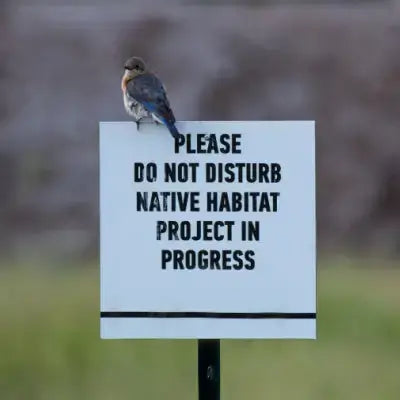
Restoring Ecosystems Using Native Flora
Every ecosystem or habitat that has been damaged, degraded, or destroyed has the potential to be restored to full health, but it often requires assistance. Using native plants is one of the most efficient and effective ways to restore an ecosystem. Native plants use their root systems, water, and local fauna and flora to create a perfect hydro-ecological habitat for themselves. Native plants such as restoration plants support the local wildlife, which in turn produces soil, supporting local soil resilience and habitat restoration.
What Are Native Plants?
The phrase native plants is defined as an ecological system within an area where plants and other living organisms have evolved together. They survive in a defined area as a result of the climate, wildlife, and soil present in the area. Grasses are among the most common native species in the United States, but every region has its own unique set of native plants. The cacti common in the Southwestern region of the US are an example of one such region. Other regions, such as the United States, also have other regions, such as fern-covered forests. No matter their differences, the unique native plants are meant to exist in the particular area.
In a shaded area, ferns would thrive as long as there is enough moisture in the soil, making them ideal candidates for rapid restoration of habitats in forested regions. Prairie and savanna native plants such as purple coneflowers exhibit the prairie and savanna biome. You provide the benefit of your service to the ecosystem through planting in the prairie and savanna biome.
How To Start Restoring The Habitat
Restoring the native habitats by planting native plants is very helpful to the ecosystem, but these plants need to be placed in the right areas so they can flourish. Even though these plants are adapted to the local planting conditions, a few guidelines should be adhered to in order to maximize the effectiveness of the planting.
Actions Required To Restore The Area:
-
Erase unwanted vegetation and disallow the germination of seeds: Make the area free so that new native plants can grow. The eradication of unwanted vegetation creates a space within overcrowded roots for the native plants to establish.
-
Select the optimal period: Most of the native plants should be placed at the coldest period in winter, as this tone allows the plants to have the right amount of cold and moisture, which is paramount for them to germinate.
-
Adhere to layer guidelines specific to the species: When one is restoring habitats in vulnerable areas like steep slopes, riverbanks, and the like, they should use plants that will do well in these locations.
Restoring Vulnerable Areas
Some areas such as steep slopes, banks of rivers, and costal band lose cover rapidly and need intensive care during the restoration process. In restoration of these areas, soil stabilising, and drought tolerant plants need to used, such as native pavonia and drought tolerant species of the mesembryanthemum.
Plant Recommendations for Vulnerable Areas:
-
Trees: For areas with wet and saturated soil, the Northern black cottonwood, red alder, and Pacific willow are some of the best options.
-
Shrubs: Partial sun for serviceberry, Hooker willow, and cascara makes these known colorful wildlife-supporting shrubs great options.
-
Groundcovers: The soil of slopes can be easily stabilized with bugleweed and wintercreeper along with other groundcovers. Their root systems are able to grip the soil and resist erosion.
All ecosystems are slowly changed and destroyed due to natural and anthropogenic forces. Improving the intricacy of ecosystems, on the other hand, can be made possible with the use of native plants, which is something that can be done alone. Vital habitats for pollinators, wildlife, and even people can be restored with native plants. These plants can be anything from trees to grasses and are readily available to help restore these ecosystems back to life.
Plant Habitat Restoration
Plant habitat restoration refers to the activities undertaken to bring, re-establish, and bring back ecological and biological functional processes to an area in which plants have…well! It is the restoring of native plants into their area of distribution, and the ecosystem services function is responsible for wildlife population tertiary ecosystem restoration. It involves restoring balance and biodiversity through the planting of species that survive in lexicon, native in origin, and are the species of the country in question.
The 3-Year Rule for Plants
The 3-year rule for plants is a period of hoeing and the rule for guiding the perennial and its associated shingles as to the minimum period of 3 years, during which roots have to strengthen themselves before coming to the showing period of growth. This period of sustenance shadow is referred to as a stilt system, owing to the managed prolonged anchorage of affixed geospheric constituents. This is the fulfillment of the stipulation that there is a provisioning of the ecosystem to undergo a change of its geo- and biotic scale to the eco-physiological parameters.
Which Actions Are Taken To Restore A Habitat?
Restoration projects may involve the replanting of native vegetation to ecosystems that have been degraded, including wetlands, forests, and grasslands. It may also include the removal of exotic species that negatively impact biodiversity. In the example of riparian zones, planting native trees like red alder along riverbanks can help with soil stabilization, and reintroducing purple coneflower to prairies can help restore the natural ecosystem.
What Does Habitat Restoration Involve?
Restoration involves planting and encouraging the growth of species that are native to the area and suited to the conditions available. It may also involve removal of exotic flora and fauna which may inhibit the growth of indigenous species. Restoration may include improvement of soil, water, and wildlife. For instance, planting trees along a river, or adding wildflowers to a bare field, can restore elements of the natural environment.
How Much Does Habitat Restoration Usually Cost?
The cost of restoration is highly dependent on the scale of the habitat, the flora being added, and the intricacy of the restoration processes employed. A sizeable restoration process could cost anywhere from a couple of thousand to more than ten thousand dollars. However, if the project involves amateur volunteers, the price can be much more affordable.
What Is Restoration Science? Describe Its Purpose and the Five Major Steps in the Restoration Process
The 5 steps of restoration outline a sequential process, which can be fully learned after an individual has understood the steps. They are, in defined chronological order:
The focal area of any ecosystem in restoration, which is the conflict zone, should be carefully assessed and evaluated as a priority to avoid unmeasurable damage in the future.
Planning a stratagem with a proper mindset, defining its goals, objectives, and planning all enduring elements to sabotage-attack the invasive species is important in all measures, dominantly the civilization zone. The process which minimally skims an invasive species and creature is termed ‘Preparation’
Where the natives are planted in an area of their benevolence in the ecosystem is termed as kin. This process is known as ‘Planting’. The regular in-depth checks analyzing the health of the ecosystem, and the ecosystem, with modifications and maintenance is known as ‘Monitoring and Maintenance’.
How You Can Help Restore Habitats
Making your garden or any green area around you with the use of restoration plants greatly contributes to recovering ecosystems. Trees, shrubs, and any other plants all contribute remarkably. Small steps can help improve the biodiversity and resilience of your local environment. To learn more about and purchase restoration plants, visit TN Nursery, the online expert nursery!
FAQs
What is plant habitat restoration?
Plant habitat restoration refers to the activities undertaken to bring, re-establish, and bring back ecological and biological functional processes to an area in which plants have…well! It is the restoring of native plants into their area of distribution, and the ecosystem services function is responsible for wildlife population tertiary ecosystem restoration. It involves restoring balance and biodiversity through the planting of species that survive in lexicon, native in origin, and are the species of the country in question.
What is the 3 year rule for plants?
The 3-year rule for plants is a period of hoeing and the rule for guiding the perennial and its associated shingles as to the minimum period of 3 years, during which roots have to strengthen themselves before coming to the showing period of growth. This period of sustenance shadow is referred to as a stilt system, owing to the managed prolonged anchorage of affixed geospheric constituents. This is the fulfillment of the stipulation that there is a provisioning of the ecosystem to undergo a change of its geo- and biotic scale to the eco-physiological parameters.
What are examples of habitat restoration?
Restoration projects may involve the replanting of native vegetation to ecosystems that have been degraded, including wetlands, forests, and grasslands. It may also include the removal of exotic species that negatively impact biodiversity. In the example of riparian zones, planting native trees like red alder along riverbanks can help with soil stabilization, and reintroducing purple coneflower to prairies can help restore the natural ecosystem.
How to restore natural habitat?
Restoration involves planting and encouraging the growth of species that are native to the area and suited to the conditions available. It may also involve removal of exotic flora and fauna which may inhibit the growth of indigenous species. Restoration may include improvement of soil, water, and wildlife. For instance, planting trees along a river, or adding wildflowers to a bare field, can restore elements of the natural environment.
How much does habitat restoration cost?
The cost of restoration is highly dependent on the scale of the habitat, the flora being added, and the intricacy of the restoration processes employed. A sizeable restoration process could cost anywhere from a couple of thousand to more than ten thousand dollars. However, if the project involves amateur volunteers, the price can be much more affordable.
