
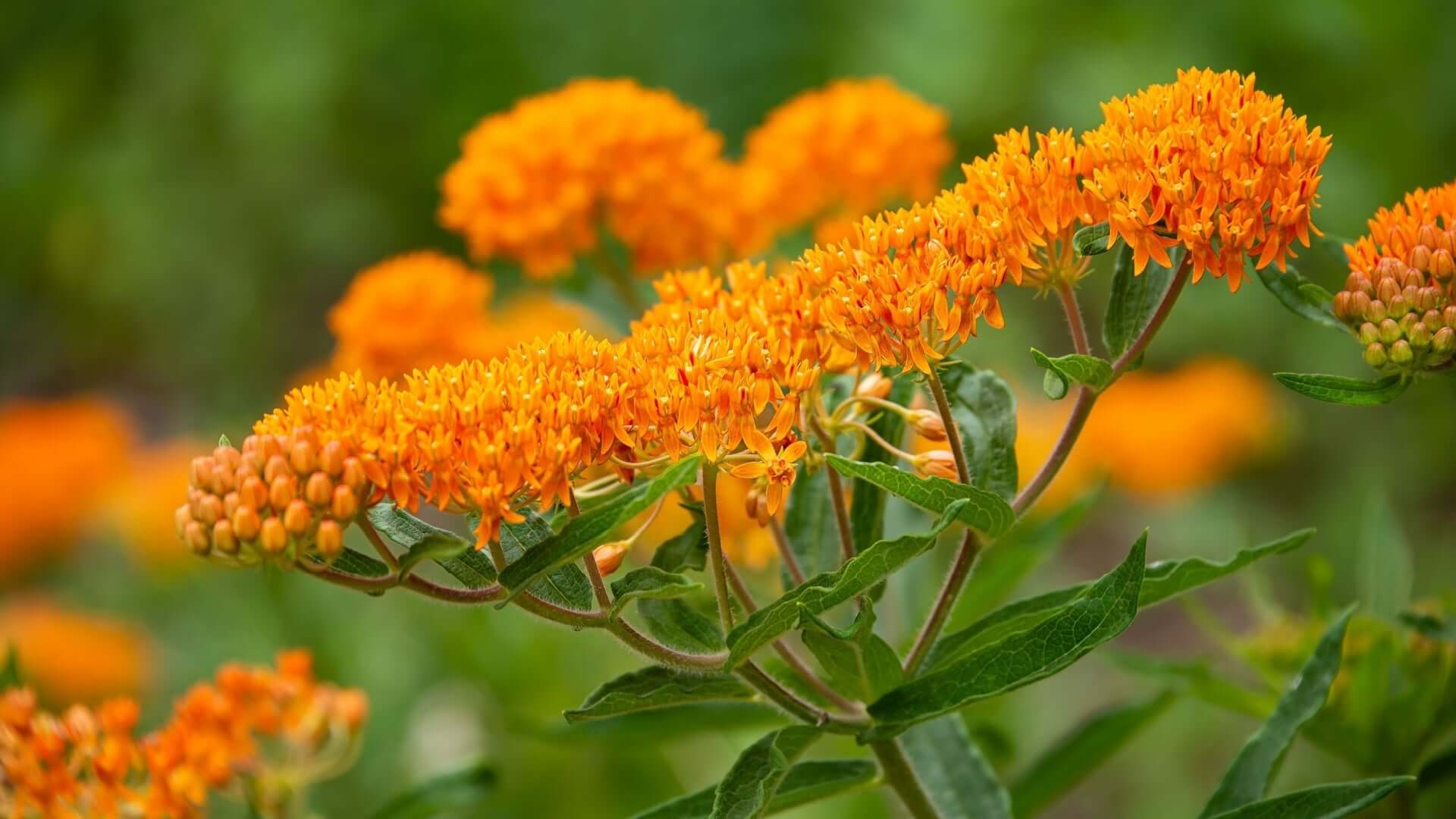
Growing Butterfly Weed: The Complete Care Guide
Butterfly Weed (Asclepias tuberosa) is a tough perennial plant native to most of the eastern and central United States․ After the first few years‚ it comes back reliably every spring for a decade or longer․ If you're wondering whether your Butterfly Weed made it through the winter or when it will bloom: the short answer is‚ be patient․ It's one of the last to emerge in spring and takes its sweet time establishing itself in the soil during its first year․
Is Butterfly Weed Annual or Perennial?
Butterfly Weed is also a true perennial plant‚ despite being treated as an annual by most growers and retailers․ Like other plants in the milkweed family‚ the plant spends most of its energy growing a long‚ deep taproot before devoting energy to producing top growth; this characteristic is often a source of confusion to new buyers․ A first year plant may be a foot tall with only a couple of blooms‚ while a third year plant can grow to two to three feet tall‚ with dozens of orange clusters․
That taproot is part of what makes this a hardy plant․ A foot or more deep‚ that's what makes Butterfly Weed so drought-tolerant once established․ On the flip side‚ that means it's not going to like being transplanted or divided․ If you're moving one from a pot to the ground‚ do it once and leave it alone․ In fact‚ Bare root Butterfly Weed plants purchased through TN Nursery can establish better than potted plants for precisely that reason: the roots are not damaged because they are not pulled out of the container; they are simply set into loosened soil․
Butterfly weed should not be left in the ground over winter․
Yes, Butterfly Weed is rated for USDA zones 3 through 9‚ which includes all of Tennessee and the greater Southeast․ In Middle and West Tennessee‚ after the first hard frost in late October or November‚ plants die back to the ground‚ and there is no need to dig anything up or bring it inside․
One thing to keep in mind is that Butterfly Weed is one of the very last perennials to break dormancy in spring․ Whether coneflower‚ black-eyed Susan or other plants are up in March‚ in Tennessee‚ Butterfly Weed may not wake up until sometime in late April or May․ Many gardeners think the plant has died for the winter‚ and either dig it up (and damage the taproot) or plant something else in its place․ Mark the spot with a tiny stake in the fall‚ so that you do not forget the spot‚ cut the dead stems to a couple of inches‚ and just wait․ If you live in East Tennessee in the higher elevations‚ a very thin layer of mulch or leaf litter on the root zone does not hurt‚ but is rarely needed․
Does butterfly weed prefer sun or shade?
Full sun for at least six hours a day (the more the better)․ This is not a plant that tolerates compromise on light․ Butterfly Weed plants will become gangly and floppy in shade or semi-shade‚ and will only produce a fraction of the flowers that they would have produced in full sun․ The plants may have a higher incidence of fungi in shady or moist conditions‚ where airflow may be restricted․
This makes it a particularly attractive choice for the hot‚ dry‚ full sun conditions that other perennials find intolerable‚ such as a south-facing flowerbed‚ a gravel or rock garden‚ or the strip of soil next to a driveway and baking in the sun all afternoon․ It is also one of the better perennial choices for poor‚ shallow soils and slopes; the taproot is comfortable in rocky‚ sandy soils‚ but intolerant of heavy‚ wet clay․
What type of soil does butterfly weed need?
This is where Butterfly Weed REALLY differs from a lot of commonly grown perennials‚ and it's worth spelling out clearly since it's the number one reason new plantings fail․ This species wants well-drained‚ even sandy or rocky soil․ It simply does not tolerate wet feet․ The most common cause of this plant's loss is heavy clay which holds water; this kind of soil‚ common in Middle Tennessee‚ is particularly risky in the first year‚ before roots are established․
When planting in heavy clay soil‚ improve drainage by mixing in coarse sand or fine gravel‚ or planting on a mound‚ or by planting in a raised bed to promote drainage․ Don't use the rich compost and heavy organic amendments that are recommended for other plants like hostas and ferns‚ because Butterfly Weed actually performs better in poor soil․ Overly rich‚ fertile soil produces weaker‚ flopier stems with fewer buds․
When Should I Plant Butterfly Weed?
In Tennessee‚ the best time to plant is late spring after the last frost date (mid-April for West Tennessee to early May in East Tennessee highlands and mountains)․ When planted in warm soil‚ the taproot gets a jump-start and establishes itself before the hot summer weather․
Fall planting is an option‚ and is the preferred method for many native plant enthusiasts as the plant would germinate in the wild․ Buried seeds and roots in September or October in the soil have a full winter's worth of natural cold stratification‚ and seeds that germinated will be able to send forth energy to root establishment before the top growth draws that energy․ Bare root stock from a nursery may be planted in either early autumn‚ before the first frost‚ or in mid- to late-spring in Tennessee's climate․
Whichever season you choose‚ water well the first few weeks to get the plant established‚ then ease up․ Once established‚ Butterfly Weed doesn't really want or need extra water unless you are in an extended drought․ If you do over-water‚ you are likely to kill the plant․
Growing From Seed vs․ Starting With Plants
Many gardeners‚ including a number of the frustrated posters on online gardening forums‚ have given up on growing Butterfly Weed from seed after seeing low germination numbers or no visible growth for weeks; both responses are normal and not a sign of failure․ Seeds of Butterfly Weed require cold stratification like 30 days in a refrigerator for optimum germination‚ while seedlings spend their first year developing their underground systems and shoots․
If you want to flower sooner rather than later‚ starting with a bare root plant is the fastest and most reliable route․ TN Nursery ships the dormant bare root Butterfly Weed at the right times for planting in gardens in the Southeast‚ skipping the stratification and delivering a plant that blooms a year or two sooner than seed․
Common Problems to Watch For
Several kinds of aphids are commonly found on Butterfly Weed‚ most notably the bright yellow oleander aphid․ A strong spray from the hose or some insecticidal soap will usually take care of a small infestation․ A broad-spectrum insecticide should be avoided‚ as it will kill the monarch caterpillars as well as other helpful insects which the plant attracts․ Likewise‚ don't panic if your leaves look like caterpillars got into them in the middle to late summer: this is what monarchs are supposed to do‚ and plants recover․
Another symptom of root rot from poor drainage is a plant that appears fine in spring‚ wilts even with watering‚ and is dead by mid-summer․ In such a case‚ it's almost always the drainage that needs to be fixed‚ and the solution is not babying the same spot; it's fixing the soil before replanting․
"

