
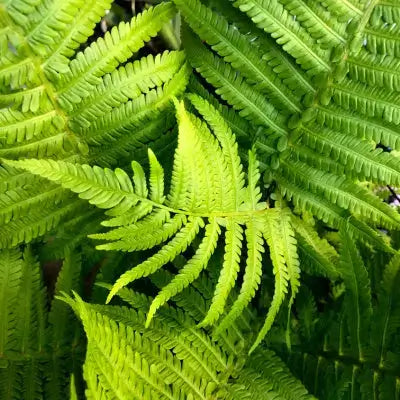
Five Advantages of Native Fern Plants
Ferns are more than just beautiful garden additions. They bring multiple benefits to the plants’ and their surrounding ecosystem’s life span and sustenance, particularly when planted in their indigenous range and conditions. Native ferns flourish throughout the year regardless of the region. Their beautiful, rich green color and unique form enhance the landscape and provide life to surrounding fauna and flora. Below are five benefits of native ferns for gardens and homes:
Ability to Weather Change
The ability to last through seasons and weather types is among the many perks of native Ferns ferns. They are particularly adept at surviving different temperature variances. Even during the coldest months, properly entrenched native ferns are known to return year after year. In the southern, warmer regions, natives are able to flourish throughout the winter months and are helpful in winterizing any landscape.
Ferns in pots are easily transferrable and can be brought indoors. They provide aesthetic value to the room and assist in the cleansing of the indoor atmosphere.
Fewer Issues With Insect Invaders
There’s another perk. Unlike flowering plants, native ferns have the power to repel pests. With ferns growing around your house, the chances of insects like mosquitoes and flies invading your living quarters are drastically lowered.
Some types of ferns are effective: their leaves function like mosquito repellents. Adding ferns to your garden can help restore peace and quiet in your outdoor space by keeping the mosquitoes away.
A Pleasing Surround of Nature
In addition to eliminating pesky bugs, refuge native ferns also offer refuge to many butterflies and birds. They offer nesting sites and reliable pollen sources to these essential pollinators, which boosts the biodiversity in your yard.
Imagine relaxing in your garden and spotting different birds, including hummingbirds, which are attracted to the delicate flowers. Ferns’ graceful, leafy fronds welcome birds and create a tranquil wildlife haven, enhancing the beauty of your garden and nurturing a flourishing wildlife habitat.
Color and Aesthetics Add Beauty to the Environment
Light and dark shades of green are the characteristics of a native fern. Its presence adds a refreshing look to the place, and its magnificent colors can create a dynamic look during winter. Seasonal changes to fern leaves are a pleasant sight to gaze upon.
On top of that, native ferns can have leaves that are broad or finely dissected and full of interesting patterns. Blooms and the other architectural accents of the landscape are the subtle and almost secretive ferns that become a decorative addition to the garden beds and the rock arrangements.
Ease of Care
Ferns are the easiest to maintain of all other native plants. They need to have their soil moist at all times. This, of course, does apply to periods of extreme heat. Watering the soil of prickly ferns is the only other time a decision that would require time could be spent.
Ferns can be pruned by cutting at and taking off the dead leaves and damaged fronds. They also become simpler and more accessible to promote and plant among the other soil.
Discover the Ideal Native Fern for Your Property
With the number of native ferns you’ve learned about and their many benefits, it is time to choose ferns for your yard. There are many different ferns that you can choose from, and each has its different appearance and advantages. In picking ferns, pay attention to the local climate, the type of soil, and the amount of sun in order for them to grow well.
In addition to your native ferns, you may want to add native companion plants. Ferns look lovely with other epimedic plants like hostas, astilbes, and even columbines. These plants together can form a dense green cover that fosters native wildlife while also greatly improving your property.
FAQs
What are the benefits of native ferns?
The reason for consideration comes down to value. These plants are both aesthetically pleasing and easy to maintain. They also attract wildlife and can easily be integrated into a variety of environments and soil conditions. As long as ferns are properly maintained, they can thrive for many years, with each passing season proudly reproducing. All of this can be done with very little effort and care.
What are 5 uses for ferns?
Ferns can be turned to for several things. These include the improvement of air quality, the addition of greenery to landscapes, acting as camouflage for the garden due to their fronds, soil conservation in shaded, damp regions, and the decrease of erosion. Ferns also play a major role in the creation of habitats for numerous animals and plants.
What are the indigenous uses of ferns?
Ferns have served a multitude of purposes for the Indigenous people as food and as a contemporary form of medicine. Some ferns have fronds and, unlike the others, can be easily cooked. Others can be used to cure certain wounds and even sickness. Ferns have also served as construction material in traditional techniques. For instance, the fronds could be used for thatching as covering for roofs and as weaving materials for baskets and mats.
What is a fern plant good for?
Ferns improve the beauty of any garden or landscaping with their beautiful greenery. They help in soil conservation by reducing soil erosion in shaded, moist regions and help in cleansing the air when planted in houses. Ferns also offer protection and nourishment for several species of wildlife, including birds and insects. Some ferns are also incorporated in traditional medicine and culinary practices.
Can ferns be used for medicine?
Yes, certain species of ferns do possess certain medicinal qualities. For example, some ferns have been proved to be useful in traditional medicine in curing wounds or diseases of the digestive and the skin system. Furthermore, it is critical to get advice from a herb and medicinal plant expert when it comes to ferns and medicinal use, since not all of the species are safe to eat or apply to skin.
What are the benefits of native plants?
The benefits of native plants, and partly ferns, are many. They integrate easily with the local soil, conditions, and ecosystems, which makes them easy to grow. They are also able to grow with little water and little to no fertilizers, helping the surrounding local wildlife and natural surroundings, preserving the environmental overall balance. Their natural ability to cope with the local pests and diseases is more as well.


