
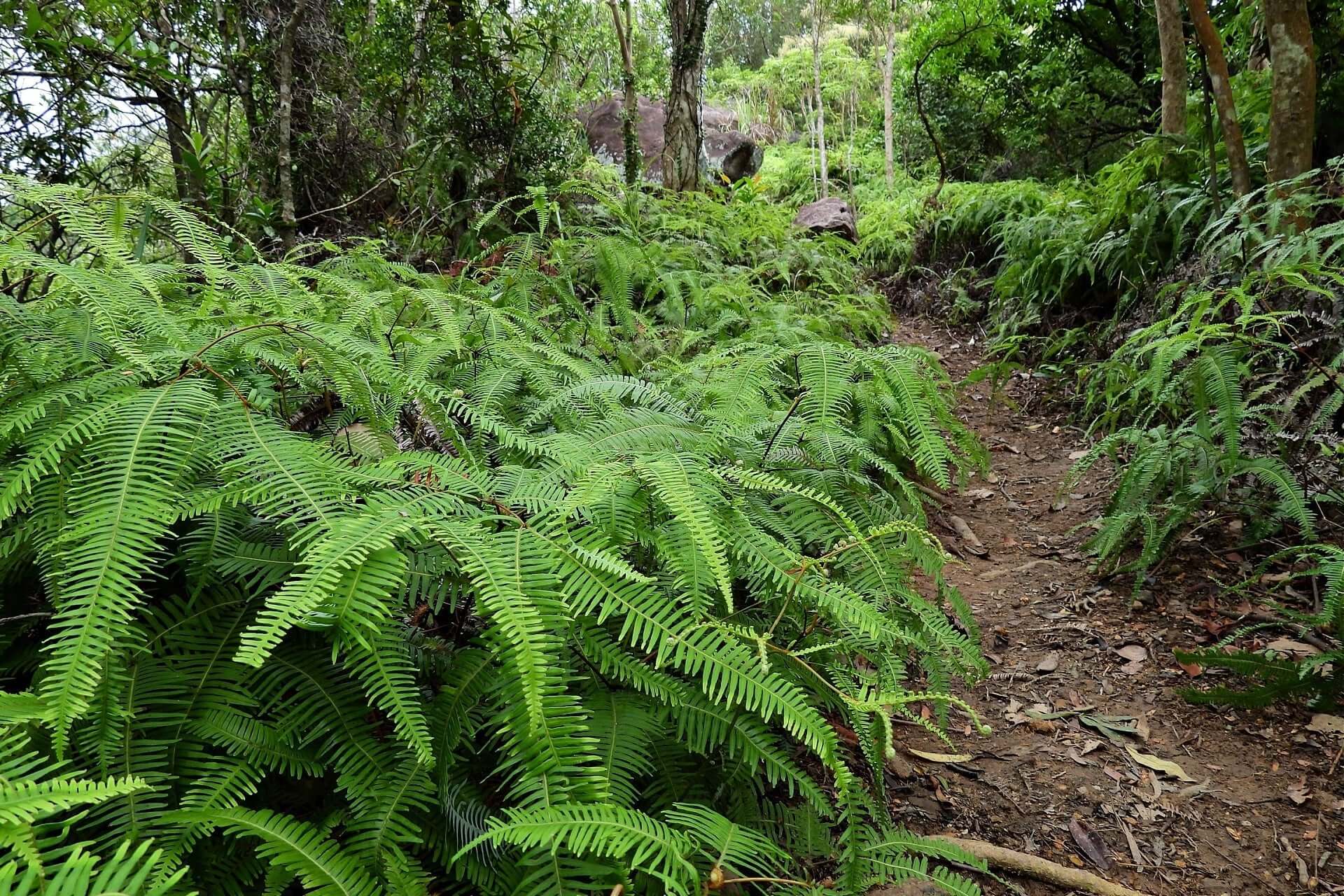
In forests and other shaded areas, wild ferns make the area feel calm and old. These native ferns do well in moist soil, filtered sunlight and rich organic layers that keep them alive year after year.
This guide talks about how wild ferns grow, where they like to live and how gardeners can use their beauty in their own yards. You will also find tips for identifying fern species in the wild, ways to use them in woodland gardens and simple steps for transplanting wild ferns safely and responsibly.
What Makes Wild Ferns Unique
Wild ferns are one of the oldest groups of plants on Earth because they have been around for millions of years. What makes them different is that they can grow without flowers or seeds instead they spread by spores that grow on the bottom of each frond, this natural way helps wild fern plants quickly get used to moist slopes and forest floors.
Their fronds help the soil by breaking down slowly and adding organic matter to it. Plants like Maidenhair Fern also add a soft touch and make shaded gardens look like real woods and these traits explain why native ferns do well in areas with little light.
Key Features:
-
Ancient
- Soft fronds that let light in and move slowly.
- Root systems that keep soil stable and help it hold onto water.
- The ability to spontaneously make soil organisms and microbes more diverse.
Quick Tips:
- For the best growth - pick varieties that like shade.
- After planting, water deeply to help the roots settle.
- Mix compost into the soil to help it stay healthy for a long time.
Where Do Wild Ferns Naturally Grow
Gardeners can recreate the right conditions at home if they know about habitats. Fern in the wild can be found in places like deep forests, stream banks and rocky slopes. Native ferns do well in this area because the thick layer of leaves and humus keeps the soil cool and moist.
Different fern species in the wild like different things. Some like paths through wet woods, while others do well on higher slopes. Giant Ostrich Fern and other hardy ferns do well in soil that stays moist and is always in the shade.
Wild Fern Habitats :
- Forest floors that are moist and full of organic matter.
- Slopes and rock crevices that are shaded and collect cool air.
- Stream edges and riverbanks that are always wet.
Quick Tips:
- Pick a place to plant that gets shade for at least half the day.
- Keep the soil slightly damp but not soggy.
- Add leaf mulch every season to keep the roots healthy for a long time.
Identifying Common Wild Fern Species
It's easier to tell wild ferns apart once you know what to look for. The fronds of each species have a different shape, growth pattern and texture. Some grow straight up, while others make soft, arching layers. Fertile fronds often have clusters of spores on their undersides that help new plants grow.
Gardeners who study fern species in the wild will see small but important differences. Touching the fronds or watching how they grow from the crown can help you figure out what they are.
List of things to check for identification
- The shape and size of the fronds.
- The color, which can range from bright green to deep forest tones.
- The spore clusters that grow on the underside of the fronds.
Quick Advice:
- Take a small notebook with you to write down things you see in the wild.
- Take pictures of fronds so you can compare them to guides later. Don't pick ferns from places that are protected.
Using Wild Fern Inspirations in Home Gardens
Native ferns are often used as the base layer for shade gardens by gardeners who like woodland style landscapes. Their leaves go well with moss, hostas and other plants that like to be wet. Choices that are inspired by nature make a calm, balanced setting.
Maidenhair Fern is a great plant to use in borders, near decks or along shaded paths. The Giant Ostrich Fern makes things taller and adds a lot of texture. Gardeners can make areas that are easy to care for and interesting all year round by looking to wild fern plants for ideas.
Uses for the Home Garden:
- Paths with soft green layers that are shaded.
- Corners of the backyard that are wet and need texture.
- Natural edges around ponds or wooded areas.
Quick Tips:
- Give plants enough room to spread their fronds.
- Mix compost into the soil before planting.
- Water the plants regularly during the first season.
Conservation Tips for Protecting Native Ferns
To keep ecosystems healthy it is important to protect native ferns as these plants help keep the soil healthy and the forests diverse also transplanting wild ferns or moving them carelessly can hurt natural areas.
Gardeners can help protect the environment by buying ferns that were cultivated in a nursery instead than taking them from the wild. Planting native plants that are suited for your climate helps keep the environment healthy and species diversity.
Easy Ways to Help the Environment:
- Instead of digging up plants from the wild, buy nursery grown ones.
- Don't disturb natural fern colonies.
- Use mulch and compost to make the soil at home better.
Quick Tips:
- Plant in shady spots to make it look like the wild.
- Water plants when it's dry.
- Talk to others about how to protect wild habitats.
In conclusion
Wild ferns provide shaded spots a gentle, old-world beauty and movement. They are wonderful for gardens that look like woods since they grow naturally, have unusual fronds, and are easy to care for. If gardeners understand about where wild ferns grow, choose the proper kinds, and support conservation, they can enjoy their soft green beauty for years.
FAQs
Where to find ferns in the wild?
You can find ferns in wet forests, along streams or in shady rocky places where the ground stays cool and damp.
How do ferns reproduce?
Instead of seeds, they make spores on the underside of their fronds.
Are wild ferns ancient plants?
Ostrich ferns
Yes, wild ferns are one of the oldest groups of plants on Earth. They have been around for millions of years.
What types of ferns grow in the wild?
streams
Maidenhair, ostrich, bracken and shield ferns are just a few of the many types that grow naturally.
Can wild ferns be grown in home gardens?
Ferns
Yes, ferns that are grown in a nursery do well when they are planted in the shade in soil that is moist and has organic matter in it.
Why are ferns important to the ecosystem?
They help keep the soil healthy, keep moisture levels stable and give small animals a place to hide.


