
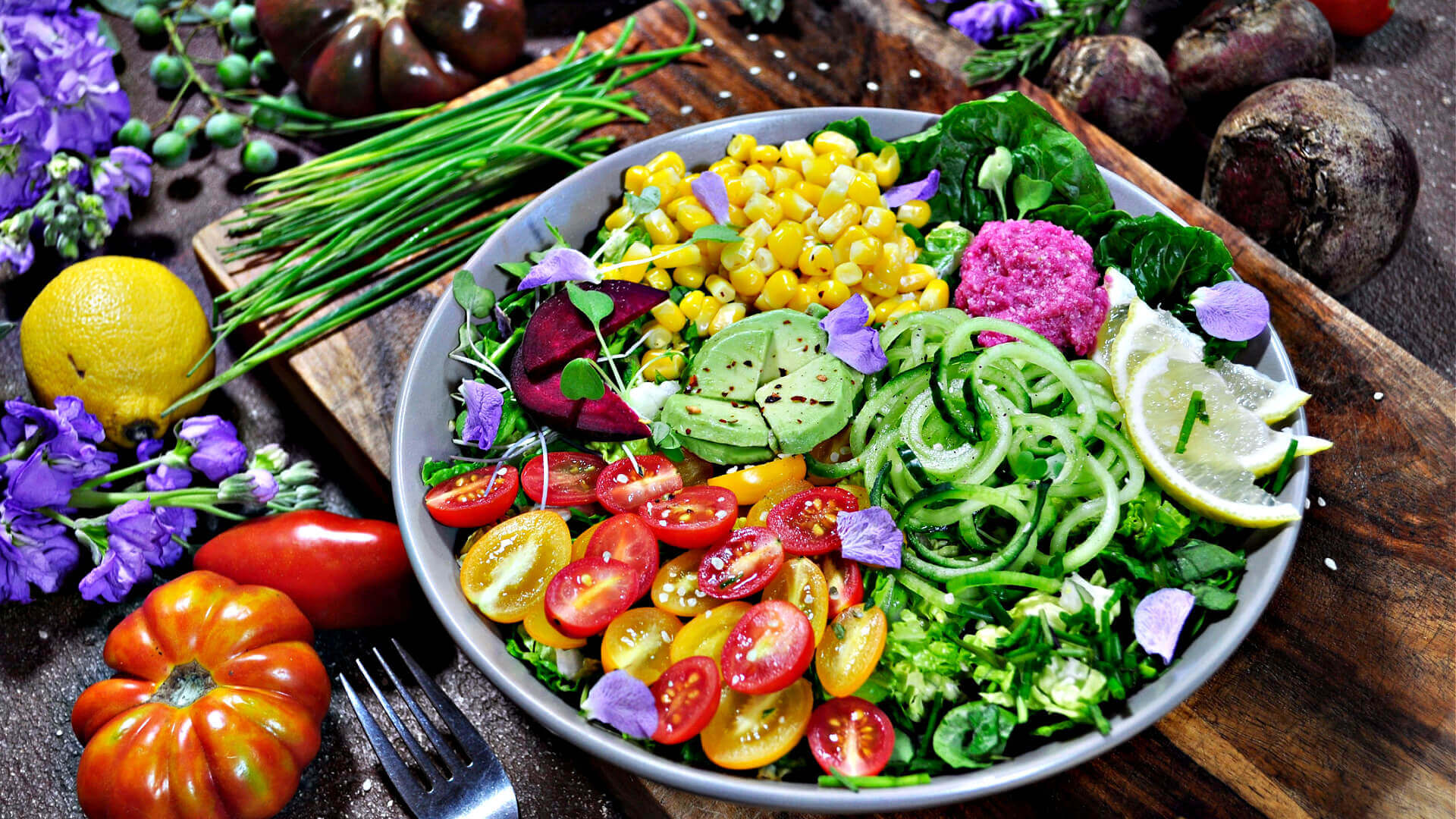
Edible landscaping is the introduction of edible plants into the landscape․
It can mean planting productive plants where ornamental plants used to grow․ For example‚ plant a fruit tree where a shade tree used to be․ Replace a boxwood hedge with a blueberry bush‚ or a hosta with a rainbow chard‚ and have your cake and eat it too․ Since the growing season in Tennessee is a firm 180-220 days depending on your zone‚ many plants that grow well here tend to be beautiful․
The majority of Tennessee lies in USDA Hardiness Zones 6b and 7b‚ giving Tennessee a long growing season․ The average frost-free date in middle Tennessee comes about two weeks earlier (mid-April) than the rest of the state․ In the mountaintop highlands of East Tennessee‚ the frost-free date is about two weeks later (early May)․ That said‚ there are other things to consider during this window․ The conclusion is that edible landscaping doesn't have to be an extreme specialty gardening that requires special tools or a multi-acre estate․ It's just choosing edible varieties for the areas where you'd be putting in landscaping anyway․
Start With What Your Yard Already Does
Before you start planting‚ know how the sun moves through your yard at different times of the day during the week․ You're looking for six or more full sun hours a day (the territory of your fruiting vegetables and fruit trees) and less than that (the territory of your leafy greens‚ mint‚ parsley‚ fennel‚ chervil and some berries)․ Also note wet vs․ dry spots․ Native heavy clay soils may drain poorly in places across Tennessee‚ making in-ground beds unsuitable for deep-rooted‚ root rot-prone plants․
Make a rough map of your plot․ Draw in the permanent features of your lot‚ such as the driveway‚ the walkways and buildings․ Then plan to plant taller plants towards the back of borders so they do not shade small plants such as fruit trees or plants climbing a trellis․ Not doing that is how a lot of us find out three years later that the new peach tree shades the raised bed we put in for our tomatoes․
Fruit trees are also grown as ornamentals․
Dwarf apple or pear trees which give flowers and shade‚ fall color and fruit‚ and landscaping value per square foot are hard to match․ The best apple varieties for Tennessee are Honeycrisp‚ Gala and Arkansas Black․ Pears‚ especially Asian varieties like Hosui‚ have disease-resistance characteristics․ Peach trees are often grown in Tennessee but are highly susceptible to late frost in Middle and East Tennessee․ Plant peach trees away from low-lying areas where frost may occur․
Espaliers‚ trees pruned against a fence or wall in a trained pattern‚ take only a couple of feet for full-size fruit․ It takes a couple of years of pruning to create the shape you like‚ but once you've done that‚ you've taken a blank space on your property and turned it into a living sculpture and a harvest․
Berries: The Most Underused Landscaping Plant
The most common error in edible landscaping is considering berry bushes as afterthoughts․ They are extremely useful double-use plants and their fiery red fall color is among the brightest colors of any shrub․ Outdoor conditions with the naturally acidic soils of Tennessee‚ full sun‚ pine bark mulch‚ and little attention have produced plants that bear a few berries in the second year and a full crop in the fourth or fifth year․
Also grown in the Southeast as along the TN Nursery varieties of blueberry‚ raspberry‚ and strawberry plants may be used instead of mulch/lawn throughout the garden․ They do‚ however‚ need to be monitored as they will overrun the patch by sending out runners․ They can be grown in a bed or as a living edge․ They are some of the fastest growing of edible plants‚ and can be harvested in the same growing season․
Blackberries and raspberries require a little more maintenance (most need a fair bit more space and some sort of support‚ but a simple wire trellis in most cases will suffice) and will fruit happily for ten years or more if well cared for․ However‚ the springtime white flowers are quite attractive․
Herbs and edible flowers for spaces between rows
Herbs are among the easiest plants to coerce into an edible landscape․ Rosemary‚ thyme‚ and oregano will grow well in poor‚ well-drained soil if left alone․ Herbs are useful in narrow spaces between the driveway and the sidewalk‚ as few things will grow in this space․ Basil and mint grow better if placed either right up against the vegetable bed or in containers‚ as mint would spread to it from the ground if it were planted that way․
Another reason why these nasturtiums and pansies are so desirable as garnishing for the salads is that they are the two easiest annuals to sow for the beginner and the nasturtiums will thrive on soil so poor that most flowering annuals would perish․ Violets‚ too‚ are always a success in shady places where grass cannot be made to grow․
Vegetables in the Landscape‚ Not Off to the Side
In fact‚ raised beds are the best way to grow vegetables in an edible landscape: you can control the soil‚ which is a huge advantage in an area of the country where our native clay is no good for root vegetables or even anything that hates wet feet․ A 4-by-8-foot bed of compost‚ topsoil‚ and a little coarse material for drainage will beat the enormous majority of Tennessee in-ground vegetable gardens․
Tomatoes and large-fruited peppers are warm-weather crops․ They may be planted after the last average frost-free date in mid-April in Middle Tennessee and in early May in eastern parts of the state․ Lettuce and most salad crops are cool-weather crops in Tennessee and are best planted early in spring and in September․ In addition‚ Tennessee summers are too hot to grow most salad crops without bolting․
Keeping It Sustainable Long-Term
Another method of returning nutrients to the soil is to add composted kitchen scraps and yard waste‚ instead of bagged fertilizers․ Composting can improve the soil in ways bagged fertilizer cannot․ It is free․ A simple rain barrel on a downspout can give you an incredible amount of water for a small edible landscape․ In Tennessee‚ July and August are the driest months‚ so if you are planting fruit trees or berry bushes (which require a lot of watering the first couple of growing seasons to get their feet in) a drip irrigation system on a timer is a good investment․
Edible landscaping doesn't necessarily mean tearing out every flowering shrub‚ planting long rows of vegetables and calling it a garden․ Edible landscaping means better uses of the spaces you already have․ That happen to feed you too․


