
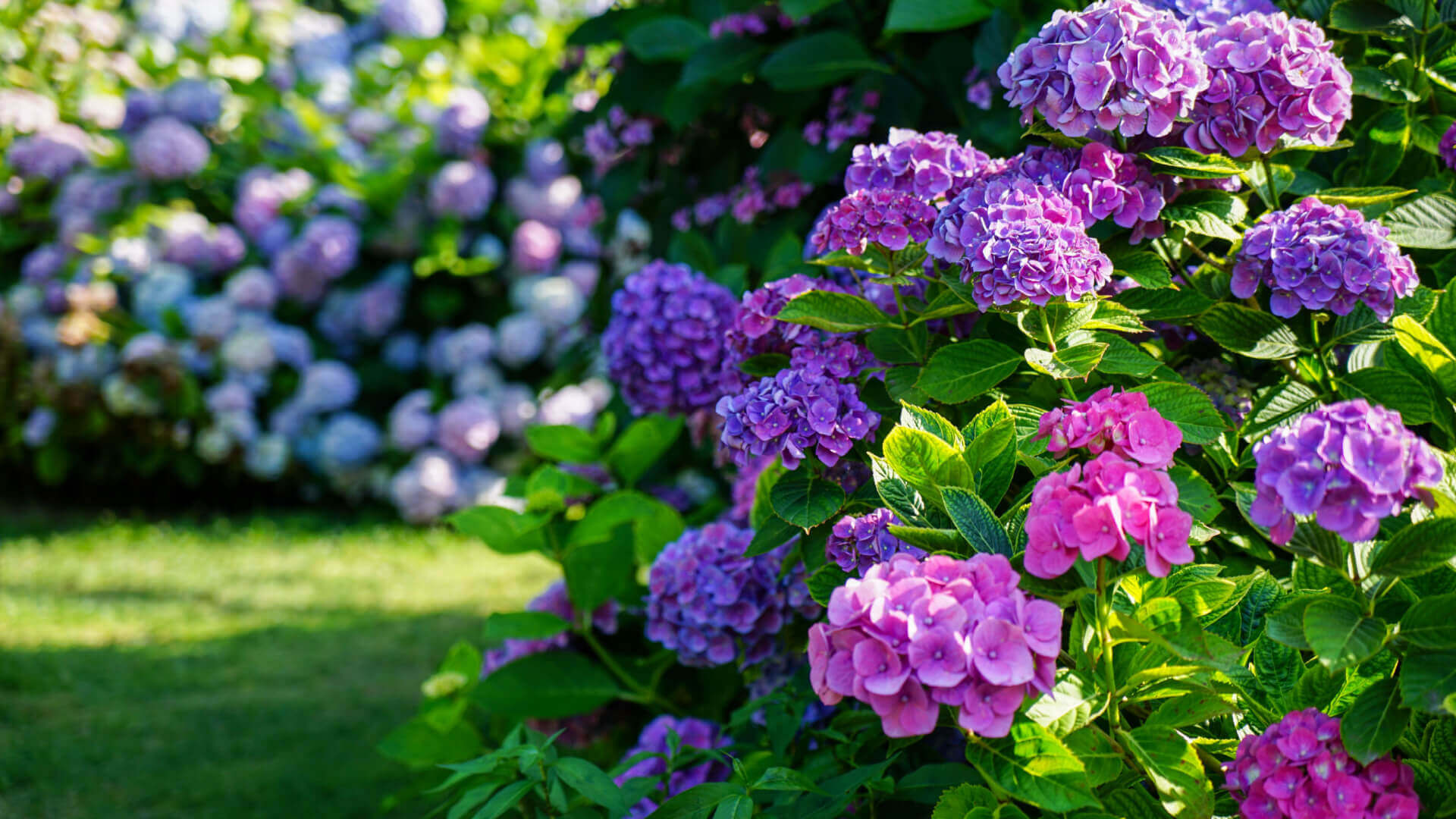
Hydrangeas are relatively low-maintenance plants that can add a unique splash of color and lushness to any garden․ The large heads and wide range of color associated with the hydrangea represent grace and beauty․ It should be noted that different hydrangeas have different peculiarities‚ but each variety is equally beautiful․ With a little knowledge of how to care for hydrangeas‚ these majestic flowers will delight the eye and spirit of our gardens․ This article is intended to provide details on how to care for these beautiful plants through the winter months‚ how to change their color‚ how to grow them in containers‚ how to care for them‚ what fertilizers to use‚ and how to water them for a lush and healthy hydrangea garden․
Winter Care Practices For Hydrangeas
In order for a hydrangea to survive winter and thrive come spring‚ it must be properly prepared for winter․ Pruning is the first step to doing so․ Pruning is done in late fall or early spring in many climates‚ depending on which type of hydrangea is being pruned․ Macrophylla cultivars and others that flower on old wood should have flower buds reserved during pruning․ The base of the plant may be covered with mulch to offer added protection for the plant's roots․ In winter‚ this insulation helps provide a more constant soil temperature and moisture level․ In harsher climates‚ hydrangeas can be insulated with burlap‚ and a row of stakes can break biting winds‚ and provide hydrangeas with the extra protection needed to survive the winter to bloom again the next spring․
One of the most interesting facts about hydrangeas‚ is that depending on the pH of the soil upon which their blooms grow‚ the bloom can be blue (acidic soil)‚ pink (alkaline soil)‚ or purple (neutral pH soil) and therefore‚ they are a surprise bloom to the gardener․ There are materials that can be turned to the soil to encourage the desired coloration․ Sulfur lowers the pH of the soil for blue coloration․ Lime raises the pH for a pink flower․ This means colors can be controlled‚ so people can create a garden with their desired colors․ As such‚ soil testing is an essential first step‚ and a way for the gardener to take control over the full potential of the plant's color․
Container Gardening Tips For Hydrangeas
Container gardening (or pot culture) of hydrangeas presents both advantages and disadvantages‚ but it can be a useful approach when space or soil availability is limited for growing hydrangeas․ Containers should be of a size and material that fits the plant's expected mature size and is well-drained‚ with terracotta or ceramic pots being favored for their breathability and temperature moderation․ Potting mix should also have plenty of organic material to give all the required nutrients․ Another important factor in looking after hydrangeas is the amount of sunlight they receive․ Most hydrangeas thrive in partial shade‚ but potted hydrangeas can dry out rapidly‚ and need to be moved to different locations during the year․
A vital part of healthy hydrangea growth is fertilization․ The type of fertilizer may affect the growth and blooming of the plant․ A general slow release fertilizer may be applied throughout the growing period of the plant․ However‚ due to the plant's specific nutrient needs‚ plants experiencing nutrient deficiency (manifesting as yellowing leaves) will benefit from this type of fertilization․ If you want to increase the flowers you can apply an organic fertilizer with a higher phosphorous content which will promote flowering and help to elongate the root system․ You will also need to be aware of the fertilizer ratio (the three numbers for nitrogen‚ phosphorus and potassium) because each of them has a different role and by careful feeding the hydrangeas will reward you with a great display year after year․
Hydrangeas require careful watering‚ since both too little and too much will be detrimental to them․ In general they prefer to be damp‚ and in the summertime should not dry out․ In general‚ it is better to water deeply so that the water reaches the plants' root zone rather than watering frequently in small amounts․ For your foliage to dry by the end of the day and not encourage disease‚ watering early in the morning is generally advised․ How much water a gardener should provide depends on the age and size of the plant‚ the temperature‚ and the exposure of the plant to wind․ Periodic observation of soil moisture levels and foliage of the plants will help a gardener determine when and how often to water to create a hydrangea haven․
Hydrangea Color Variation Factors
For the home gardener‚ hydrangeas should be treated with some knowledge‚ observation‚ time‚ and appreciation․ One has to think about wrapping them up for winter‚ waiting to see when their colors change‚ putting them in pots‚ thinking about effort versus fertilizer‚ how much to water‚ and so on․ All that said‚ their beauty is worth contemplating and caring for․ But the bliss of a glorious hydrangea season reminds us that every encounter with greenery in your own back yard can shower you with zen-like euphoria‚ creativity‚ and lessons in life‚ as flower after flower bursts into bloom and you realize somehow you are a little stronger‚ a little smarter․


