
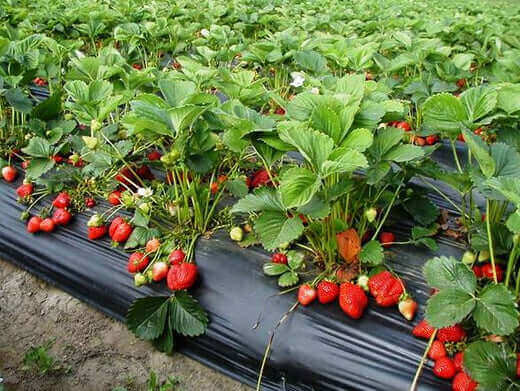
10 Tips on Growing Strawberries for a Sweeter Strawberry Harvest
Homegrown strawberries can be one of the most enjoyable fruits to grow. Is there anything more satisfying than walking out to the garden and eating a freshly picked strawberry? That is a result of planting strawberry plants and turning a plot of dirt into an area that can produce a huge quantity of strawberries. Strawberries can give you an annual sweet bounty to eat with the correct planting and care.
This guide gives 10 pretty important tips for planting strawberry plants and taking care of them for the rest of the season! You will know everything to plant strawberries successfully in your backyard!
Growing strawberry plants successfully starts with three basics: the right variety, full sun, and evenly moist well-drained soil. If you get those three parts right, most home gardeners can grow strawberries with better flavor and better yields.
This guide also helps answer common questions about how to grow strawberries, when to plant them, and why some strawberry plants do not produce fruit as expected. If you are planning a new patch or improving an older bed, these tips will help you get more from every season.
Choosing What Kind of Strawberry to Grow
Before you even begin to think about the care you are going to provide your plants, you need to determine what kind of strawberry you are going to grow. Strawberries can be divided into three categories, each with unique growth patterns and purposes.
The best strawberry plants for your garden depend on how you want to harvest. Some gardeners want one large crop for freezing and jam, while others want smaller pickings over a longer season for fresh eating.
Choosing between June-bearing, everbearing, and day-neutral strawberries also helps prevent disappointment later. A plant that fits your space, climate, and harvest goals is usually easier to manage and more productive.
June-bearing Strawberries
These richly flavored strawberries are traditional and are harvested once during a 3 week period of the late spring or early summer season. They are great for making lots of jams, jellies, and pies because they are the largest, most flavorful, and bear the most. However they are known for needing a lot of space since they produce many runners that need to be spread out.
June-bearing types are often the best choice if your goal is a heavy harvest in a short window. They are a practical fit for gardeners who want enough berries at one time for preserving, baking, or sharing.
Because they send out more runners, they usually do best in a dedicated bed where they have room to spread. Good spacing and regular runner management can keep the patch productive year after year.
Everbearing Strawberries
This variety produces harvests throughout the spring, summer, and fall. They bear fruit in spring and fall, and summer which spring is also harvested which is where they get the name. They are very great for small spaces and snacking. They produce more frequent, smaller harvests during the whole season.
Everbearing strawberries are a smart choice for gardeners who want fresh berries over a longer period instead of one large flush. They work well in smaller gardens, raised beds, and spots close to the house where you can pick often.
Since harvests are lighter but more frequent, they are especially useful for fresh eating. If you want berries for breakfast, desserts, and everyday snacking, this type is often the easiest fit.
Day-neutral Strawberries
These Strawberries plants, again, produce fruit from spring until the first frost. They also need a temperature range of 35 and 85°F to produce. Like everbearing plants, they produce fewer runners and are well-suited for containers and small gardens.
Day-neutral strawberry plants are often the most flexible option for gardeners who want steady production as long as temperatures stay in range. They are a good fit for containers, patio planters, and tidy garden beds where fewer runners are easier to manage.
If you are growing strawberry plants in a small area, day-neutral varieties can make harvesting simpler because the plants stay more focused on fruit than spreading. That balance makes them popular for home gardens.
Choose the Best Place to Plant
For the planting of the strawberry plants, the absolute most important thing is Location. they like at least six to eight hours of full sun every day, which helps create the most ripe strawberries. The less sun they receive, the less sugary and flavorful the berries become.
Proper soil drainage is a requirement too. Strawberry plants Strawberry plants have shallow root systems, so if they sit in waterlogged soil, they will get root rot. If you have soil that retains a lot of moisture, it’s a good idea to plant in raised beds or containers. This lets you have full control of the soil and moisture.
Take Time to Work the Soil
The ideal soil is a bit on the acidic side, it is best to have a range of about 5.5 to 6.5. A pH test soil kit can be used to determine the range before planting. In order to make the ideal base for your plants, the soil needs to be filled with plenty of organic materials. This does not only improve the soil itself but also the drainage as well.
Don’t plant strawberries right after you have grown tomatoes, peppers, potatoes, or eggplant. These crops die and can leave behind verticillium wilt, a soil-borne fungus that can stay in soil and cause a lot of harm to your strawberries.
Provide Your Plants Space
Spacing your crops properly can help prevent disease and keep your plants growing strong. Letting enough space between each plant can improve air flow around their leaves and prevent potential issues with fungus. When planting, keep space of 12 to 18 inches between each plant. When planting in rows keep 3 to 4 feet space between each row. This lets your crops have enough space to spread their runners and lets them grow new daughter plants.
Plant at the Correct Depth
Most strawberry growing instructions contain information on how deep the roots need to be planted. The most common complication of growing strawberry plants is the crown rotting due to being planted too deep. Planting the crown too shallow runs the risk of the roots drying out. If you dig a hole wide enough to spread the roots for the roots to grow and ensure that the crown is level with the soil surface, the crop should grow perfectly.
Water Consistently After Planting
When strawberry crops are planted they need to be watered. If they are planted and watered, their roots need to be established. If they are watered too much, the soil can become too moisturized and soggy. Over the demonstrated period of time, the soil should be kept at a steady moisture level. Plants should receive moisture directly to their soil and the leaves should be kept dry at all times. Drip irrigation is most effective.
Mulching moisture retention
There are many reasons to mulch your strawberry plants. Mulching helps retain moisture in the soil, blocks pesky weeds, and keeps the soil temperature consistent. It also helps your developing fruits by giving them a clean place to rest instead of lying in the dirt. Good organic mulches are straw, pine needles, and shredded leaves. Just make sure to keep the crowns uncovered, and put down a layer of about one to two inches around your plants.
Pinch Off the First-Year Flowers
Plant
Although this may feel like a tip to lose your flowers and fruits, in the long run it will guarantee a better outcome. Thin your flowers the first year and it will help lessen the energy the crop needs to produce fruits. This helps strengthen the plant's roots and overall leaves and foliage, allowing them to be much more healthy. Even though the first year might be rough, the reward in the next year and a half will be much better than normal.
For many new gardeners, this is the step that leads to stronger strawberry plants later. Removing early blooms helps young plants put their energy into root growth first, which supports better fruit production in the following season.
This tip is especially useful after transplanting strawberry plants or setting out bare roots in spring. A little patience in year one often leads to a healthier patch and a more dependable harvest.
Manage Runners for Better Fruit Production
When June-bearing strawberries are in their primary growing season, they produce many runners or long stems, which produce new ‘daughter’ plants. While this is how June-bearers propagate, too many runners from one plant can result in even less strawberries because the plant can’t split its energy effectively. To get the most strawberries, runners can be managed by pinching some off or letting some root to be new plants next season. Everbearers and day-neutral varieties produce less, so they are lower maintenance with runners.
Consider Companion Planting
Proactive and strategic strawberry growing can also involve planting certain plants nearby to repel some pests, improve the garden, and even enhance the strawberry flavor. Some great plants to grow with strawberries are:
Borage: This beneficial attracting herb also aids in pollination and is thought to improve flavor.
Marigolds: Marigold plants repel harmful soil nematodes and pests with their odor.
Spinach and Lettuce: Leafy greens provide great ground cover to reduce weeds and have different root depths and nutrient needs from the strawberries so they don’t compete.
Onion and Garlic: Their pungent odor can confuse and drive away pests like aphids and slugs.
Good companion planting can help strawberries by improving airflow, reducing weed pressure, and bringing in pollinators. It can also make a mixed edible bed easier to maintain through the growing season.
Avoid placing strawberries where heavy-feeding crops or disease-prone nightshades were recently grown. If you want to build out an edible bed around your patch, you can browse other edible plants that pair well with a home garden.
Your Companion for Planting Strawberries
Good strawberry harvests begin with healthy plants, the right planting site, and simple care through the season. At TN Nursery, gardeners can shop for quality plants and build a stronger start for growing strawberry plants at home.
Visit TN Nursery to get started with your garden and explore more planting options for your landscape.
If you want to expand beyond one berry bed, our Berry Plants collection is a helpful next stop for planning a productive backyard harvest.
Frequently Asked Questions (FAQs)
Are strawberries annuals or perennials?
Strawberries are usually grown as short-lived perennials. Healthy plants can return for several years, although many gardeners refresh beds regularly to keep yields strong.
Can you grow strawberries in containers?
Yes. Strawberries grow well in containers if they get full sun, consistent water, and well-drained potting soil. Day-neutral and everbearing types are often the easiest choices for pots.
Why are my strawberry plants not producing fruit?
Strawberry plants may produce little fruit if they do not get enough sun, if flowers were damaged by frost, if the bed is overcrowded, or if the plants are putting too much energy into runners. Feeding lightly, thinning plants, and improving sunlight can help.
What kind of fertilizer is best for strawberries?
A balanced fertilizer is often a practical choice for strawberry plants, but the best fertilizer for strawberries depends on your soil. A soil test is the most reliable way to know whether your plants need more nitrogen, phosphorus, potassium, or added organic matter.
When is the best time to transplant strawberries?
The best time to transplant strawberries is usually early spring or early fall when temperatures are mild and plants can establish roots before heat or hard freezes arrive.
What is the trick to growing strawberries?
There is no secret, just a few gardening basics. Strawberries need FULL SUN for about 6-8 hours every day, well-drained, lightly acidic soil and consistent moisture. You should also pinch off the first year flowers so the plant can establish a strong root that will help with larger harvests.
What not to do when growing strawberries?
The most important thing to remember is to avoid soggy soil, as this leads to root rot. They also shouldn't be buried too deep, or the crown will rot. Other important aspects to remember are keeping weeds away as they compete for nutrients and water, which your strawberry plants need, and not letting soggy soil occur.
What does Epsom salt do for strawberry plants?
Epsom salt gives plants magnesium and sulphur, which help a plant affected by magnesium deficiency and also help leaves become greener and helps with photosynthesis. A soil test is best first. Also, use with caution, as too much can harm the soil and the plants.
What's the best month to plant strawberries?
The best time to plant strawberries is early spring, however, planting should only be done once the ground is workable and no longer frozen or filled with too much water. If done correctly, the plants will be able to start defending and establishing a strong root system to prepare for winter.
Do coffee grounds help strawberries grow?
Used coffee grounds are beneficial, as they are slightly acidic, provide organic matter to the soil and strawberries tend to love. By lightly sprinkling the coffee grounds around the base of the plants or adding them to a compost pile, the grounds will help provide nutrients to the plants.
What makes strawberries grow faster?
Lots of good sunlight, watering, and nutrient-rich soil makes the plant grow faster, as they are the optimal growing conditions. New leaf and root development can be encouraged by removing first-year blossoms and runners, as this will provide the plant with extra energy.
Frequently asked questions
Are strawberries annuals or perennials?
Strawberries are usually grown as short-lived perennials. Healthy plants can return for several years, although many gardeners refresh beds regularly to keep yields strong.
Can you grow strawberries in containers?
Yes. Strawberries grow well in containers if they get full sun, consistent water, and well-drained potting soil. Day-neutral and everbearing types are often the easiest choices for pots.
Why are my strawberry plants not producing fruit?
Strawberry plants may produce little fruit if they do not get enough sun, if flowers were damaged by frost, if the bed is overcrowded, or if the plants are putting too much energy into runners. Feeding lightly, thinning plants, and improving sunlight can help.
What kind of fertilizer is best for strawberries?
A balanced fertilizer is often a practical choice for strawberry plants, but the best fertilizer for strawberries depends on your soil. A soil test is the most reliable way to know whether your plants need more nitrogen, phosphorus, potassium, or added organic matter.
When is the best time to transplant strawberries?
The best time to transplant strawberries is usually early spring or early fall when temperatures are mild and plants can establish roots before heat or hard freezes arrive.

