
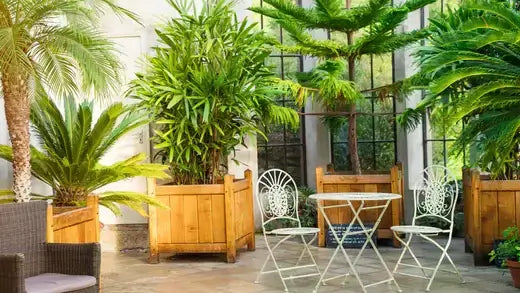
Whether you want a green oasis in your backyard or you want to spruce up your front yard‚ creating a landscape can be a fun and rewarding project․ There are some tips that can ensure your new green space is beautiful and working for you and the earth․ It only takes a little planning and creativity to create your ideal landscape‚ your garden is an extension of your personal style and adds beauty to your outdoor living space․ From your available space and light‚ to the plants and everything else in between‚ here are 10 tips to achieve your ideal landscape․
Sunlight
For landscape planning‚ one of the first things that should be examined is the amount of sunlight and shadow in the yard․ Different plants require different amounts of direct sunlight‚ and understanding the patterns of light and shadow at different times of day is very important․ Take note of how the sun travels across your yard in every season of the year and sketch your yard out with full sun‚ partial shade‚ and full shade areas notated․ This can help you not only determine what plants are best for your yard‚ but also how to arrange them for maximum sun exposure․ Knowing where the sun goes through your yard‚ and where trees or buildings will cast shade‚ will help you plan your landscape․
Water features such as a pond‚ bubbling fountain or flowing stream can add a central feature to the garden and provide a place to relax with the sound of water‚ a habitat for wildlife and somewhere to reflect quietly․ The size and scale of a water feature should relate well to the size of the garden or the area where it is located; it should not appear overbearing․ The sound of running water can be calming and provide ambience to the space․ It also provides a valuable source of water for a variety of species‚ adding to the biodiversity of your garden as many birds and butterflies will use it as a drinking tool․
Using Native Plants
Using native plants is one of the most important parts of a successful landscape․ They are adapted to the climate‚ and also are more resistant to the insects and diseases common in your area․ They are generally lower maintenance and require less water and fertilizer․ Moreover‚ because bees and birds require native plants for food and shelter‚ landscaping with natives is seen as a way to encourage biodiversity․ Landscaping with these plants links the house to its surrounding environment and community in a more natural‚ more harmonious way‚ with their colors and textures echoing the landscape that surrounds them․
Nature has its seasons as well‚ and so will your garden․ When making your plans‚ consider planting flowers for every season․ This way‚ something will be blooming all year round‚ so you won't have to worry about your landscape looking dull or uninteresting any time of year․ In spring‚ you may plant crocuses or daffodils․ In summer‚ try coneflowers or black-eyed Susans․ In fall‚ plant asters or ornamental grasses․ In this way‚ as the seasons turn‚ so too does your landscape․ Visitors to your property will find seasons create a different‚ very different‚ wildlife experience each season of the year․
Budgeting
Budgeting and estimating is an integral part of the landscaping design process․ That means before you begin your design‚ you need to know how much it will cost for the various items and activities involved in your landscape project‚ from plants to paths to patios․ Find out if there are costs associated with native plants‚ soil quality‚ mulch and equipment needed for installation and/or maintenance․ If you hire professionals‚ include their fees in your estimate․ Knowing your budget means that you can prioritize the elements of your garden that are most important to you‚ and aim to get the garden you want without overspending․
In summary‚ landscaping is both art and science․ It is a blend of nature with planning‚ thoughtfulness and balance․ Taking into account elements such as sunlight‚ water‚ plants‚ seasons‚ price and much more‚ you can design a landscape that reflects your personality‚ and can be enjoyed for years with very little maintenance․ Everything that you choose will create a natural beauty‚ a functional design that will improve and improve your home and your way of life․ Every garden tells a story․ If you choose wisely it can be one of growth‚ enjoyment and an extension of the natural beauty that surrounds your home and lifestyle․


