Tupelo Tree: Important Facts
Tupelo (Nyssa) is a small genus of deciduous trees native to eastern North America and eastern Asia. The best-known species is the black tupelo (Nyssa sylvatica), also called black gum, sour gum or pepperidge, prized by landscapers as one of the most brilliant trees for fall color. Other species include water tupelo, swamp tupelo, Ogeechee tupelo, Chinese tupelo and Yunnan tupelo. Tupelos belong to their own small family, Nyssaceae, which is closely related to the dogwoods.
Black Tupelo at a Glance
- Hardiness zones: 4 to 9
- Mature size: typically 30 to 50 feet tall and 20 to 30 feet wide in landscapes, taller in the wild
- Growth rate: slow to moderate, about 1 to 2 feet per year
- Light: full sun to partial shade
- Soil: moist, acidic soil; tolerates wet ground and periodic flooding
Characteristics and Appearance
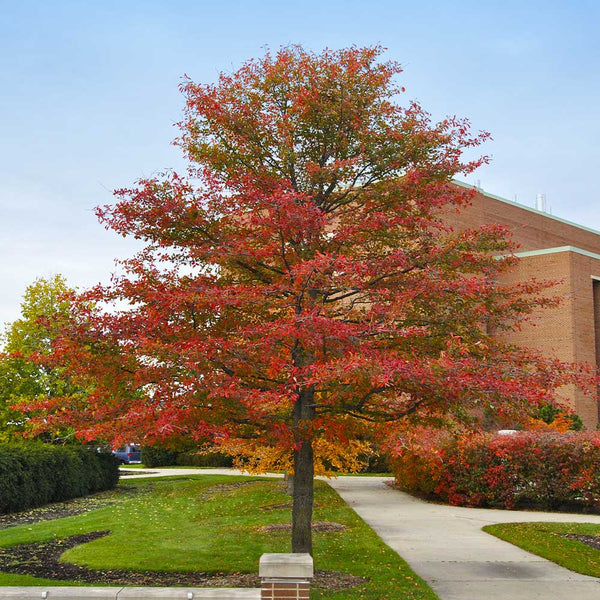
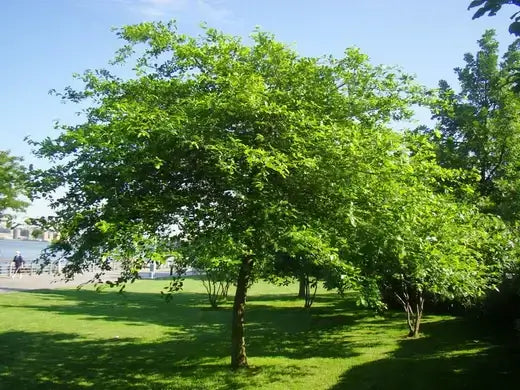
Black tupelo forms a handsome pyramidal to oval crown with horizontal branches. Its glossy, dark green leaves are 3 to 6 inches long and oval. In fall, they turn brilliant scarlet, orange, yellow and purple, often all on the same branch, making it one of the first and finest trees to color each autumn. On older trees, the dark gray bark breaks into thick, blocky ridges that look like alligator hide, adding texture through winter.
In spring, small greenish-white flowers appear that are rich in nectar and a favorite of honey bees. By September and October, small blue-black fruits ripen and are quickly eaten by birds and wildlife.
Tupelo Species
Black tupelo grows in moist woods and along streams from Maine and southern Ontario south to Florida and west to Texas and Oklahoma. It typically reaches 30 to 50 feet in landscapes and can grow much taller in the forest.
Water tupelo (Nyssa aquatica), also called cotton gum, grows in swamps and river floodplains of the Southeast and lower Mississippi Valley, north to southern Illinois. It often reaches 80 to 100 feet, with a swollen base that helps it stand in standing water.
Ogeechee tupelo (Nyssa ogeche), a smaller tree of Georgia and Florida river swamps, is the source of the famous tupelo honey, along with other tupelos along the Apalachicola and Chipola rivers.
Tupelo Honey
Tupelo honey is one of the most prized honeys in the world. Beekeepers move hives to tupelo swamps in spring so bees can gather nectar from the blooms, producing a light, mild, buttery honey that is slow to crystallize.
Wildlife Value
Tupelo fruit is an important food for birds, including wood ducks, wild turkeys, cedar waxwings, robins and many migrating songbirds. Raccoons, squirrels, foxes, black bears and white-tailed deer also eat the fruit and browse the twigs. Hollow older trees provide dens and nesting cavities.
Planting and Care
Black tupelo develops a deep taproot, so it is best planted young and left in place. Choose a spot in full sun to partial shade with moist, acidic soil and room for the tree's mature size. Water deeply during the first two growing seasons and during dry spells after that. Once established, it is a low-maintenance tree that tolerates wet sites, urban conditions and coastal exposure.
Uses in Landscaping
Black tupelo makes an excellent shade or specimen tree for lawns, parks, rain gardens, pond edges and woodland gardens. Plant it where you can enjoy its fall color and the birds it attracts, from a window, patio or garden path.
About the Tupelo Tree
Black tupelo has colorful folk names. It was called the "pioneer's toothbrush" because its twigs could be chewed into a fibrous brush for cleaning teeth. On Martha's Vineyard, it is known as "beetlebung," because its tough, interlocking wood was used to make mallets (beetles) and the stoppers (bungs) for whale oil barrels. Its strong wood was also used for wagon wheel hubs, tool handles and flooring.