Virginia Bluebells For Sale
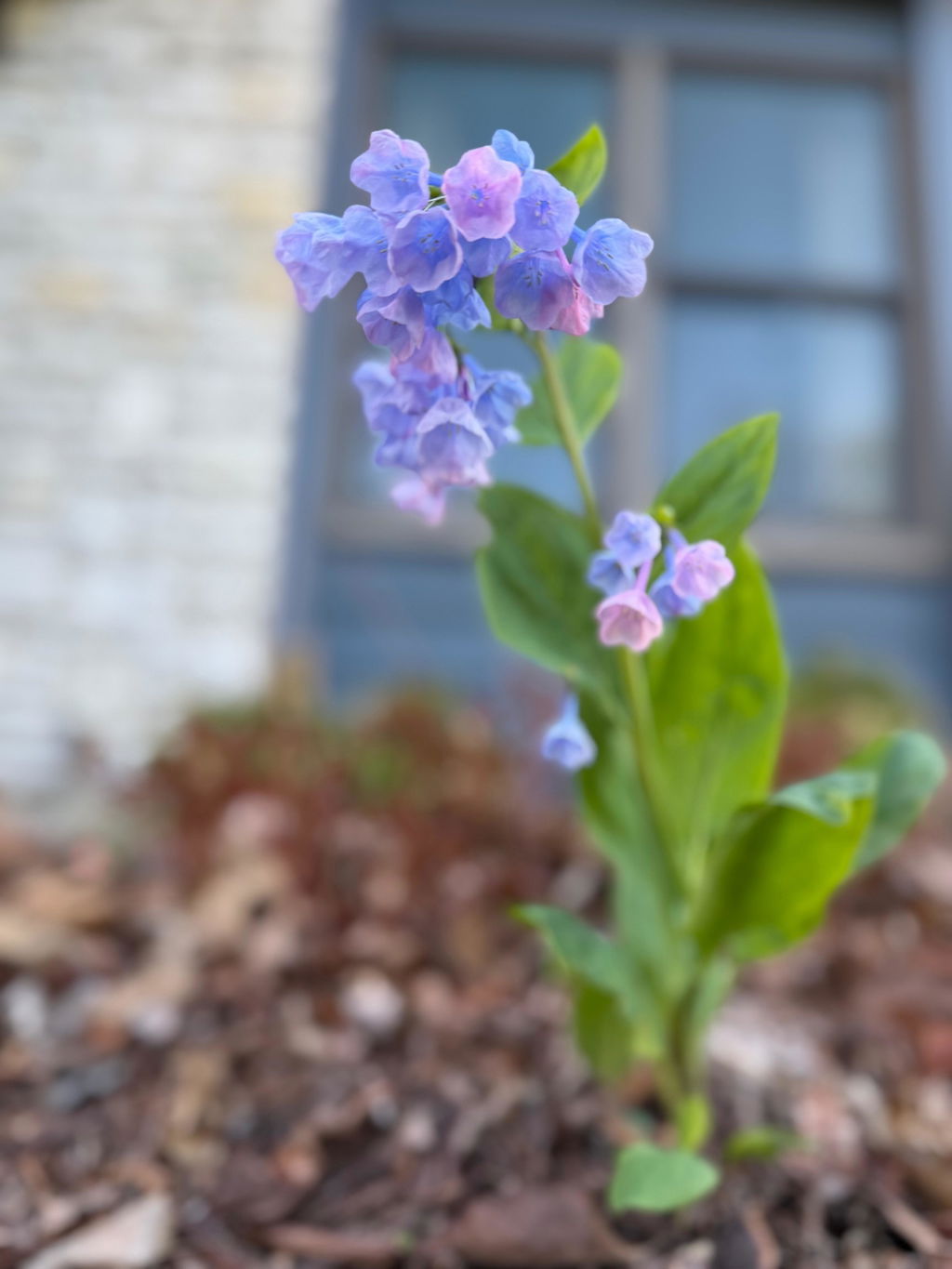
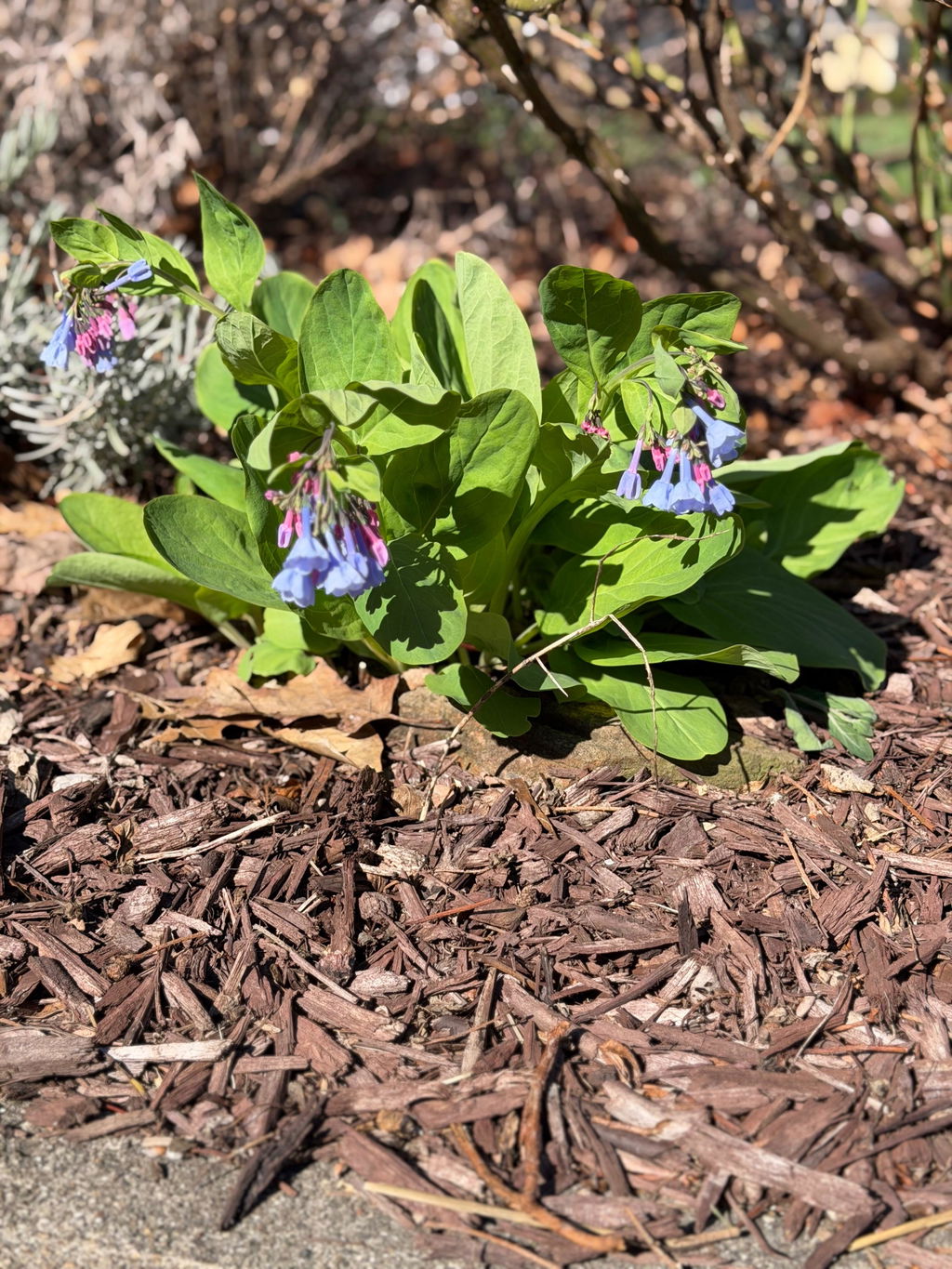
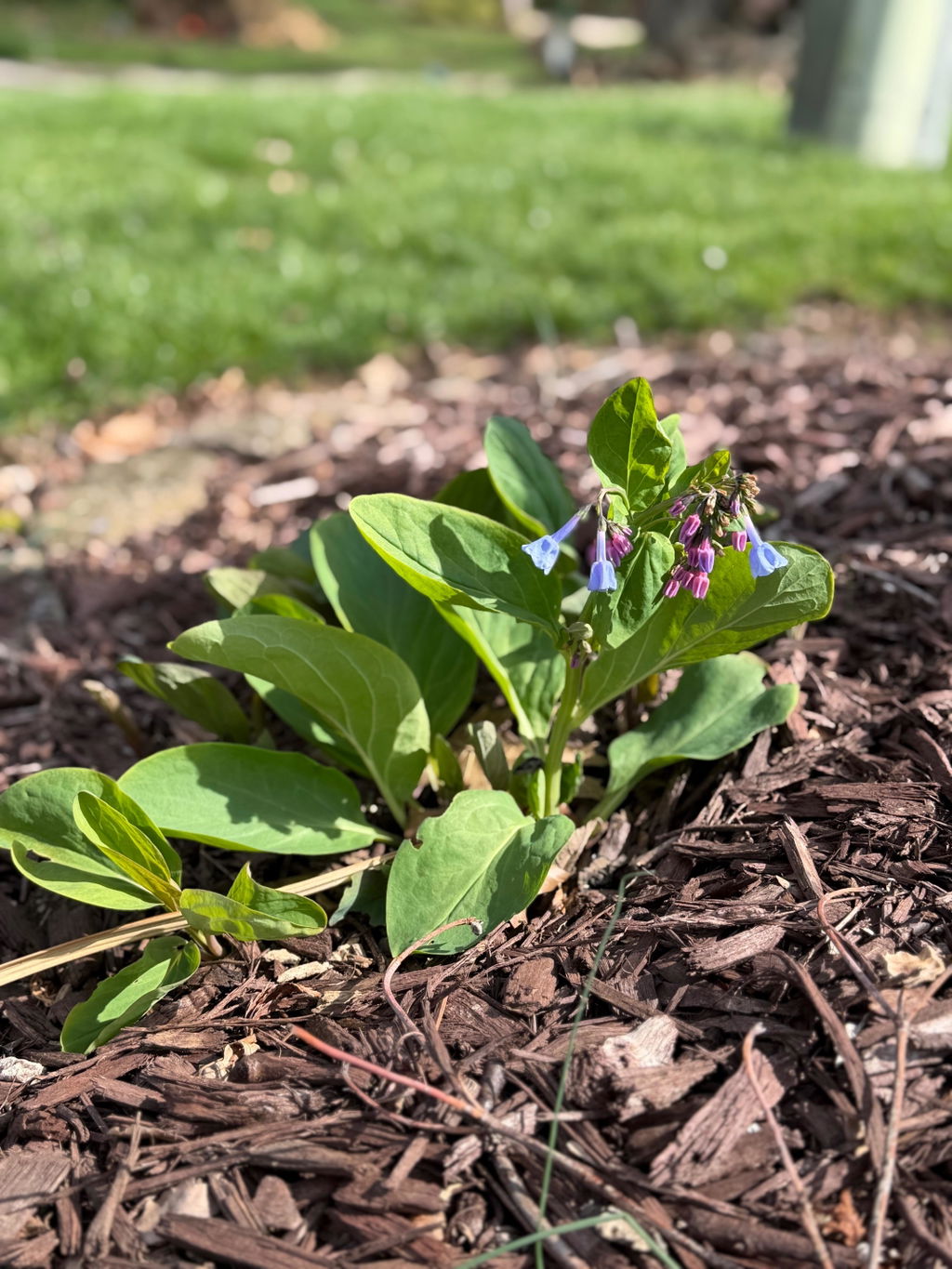
The Virginia bluebell is a deciduous, spring ephemeral perennial that offers bell-shaped blooms draping from brilliant green stems surrounded by large leaves. They bloom in the Spring season, and their cycle lasts up to 6 weeks. They grow in woodlands and deep forests and are perfect for your garden. It is a great treat to get to see these blooms before they are gone for the season! Don’t chase them at your local arboretum. Grow your own, and you will never miss them again.
Virginia Bluebell Plant Details
Family: Borage (Boraginaceae)
Light Requirement: Shade
Water Needs: Average/Moist
Height: 1 - 2 ft.
Growth Rate: Fast
Bloom Time: Spring
Flower Color: Blue
Wildlife Value: Attracts bees and butterflies
Landscape Uses and Maintenance
With its small, compact size, this perennial can fit anywhere in your garden. It is great for the border, rock garden, and mixed with other shade-loving perennials, like Dutchman’s breeches, trillium, or toad lily. This plant enjoys dappled sunlight, so keep it shaded rather than scorching in full sun. Beautiful, sloping flowers are an excellent native addition to your garden.

A low-maintenance shade perennial favorite! This is an excellent plant for all levels of gardeners, from the eager novice to the more experienced. It will thrive in rich, well-drained soil and, once established, needs very little care. No fertilization is necessary. Get the best bang for your buck -- good news for the frugal gardener! This is a colonizer that will make larger clumps in the garden over time, spreading over an area.
Noteworthy Characteristics of Mertensia Virginica
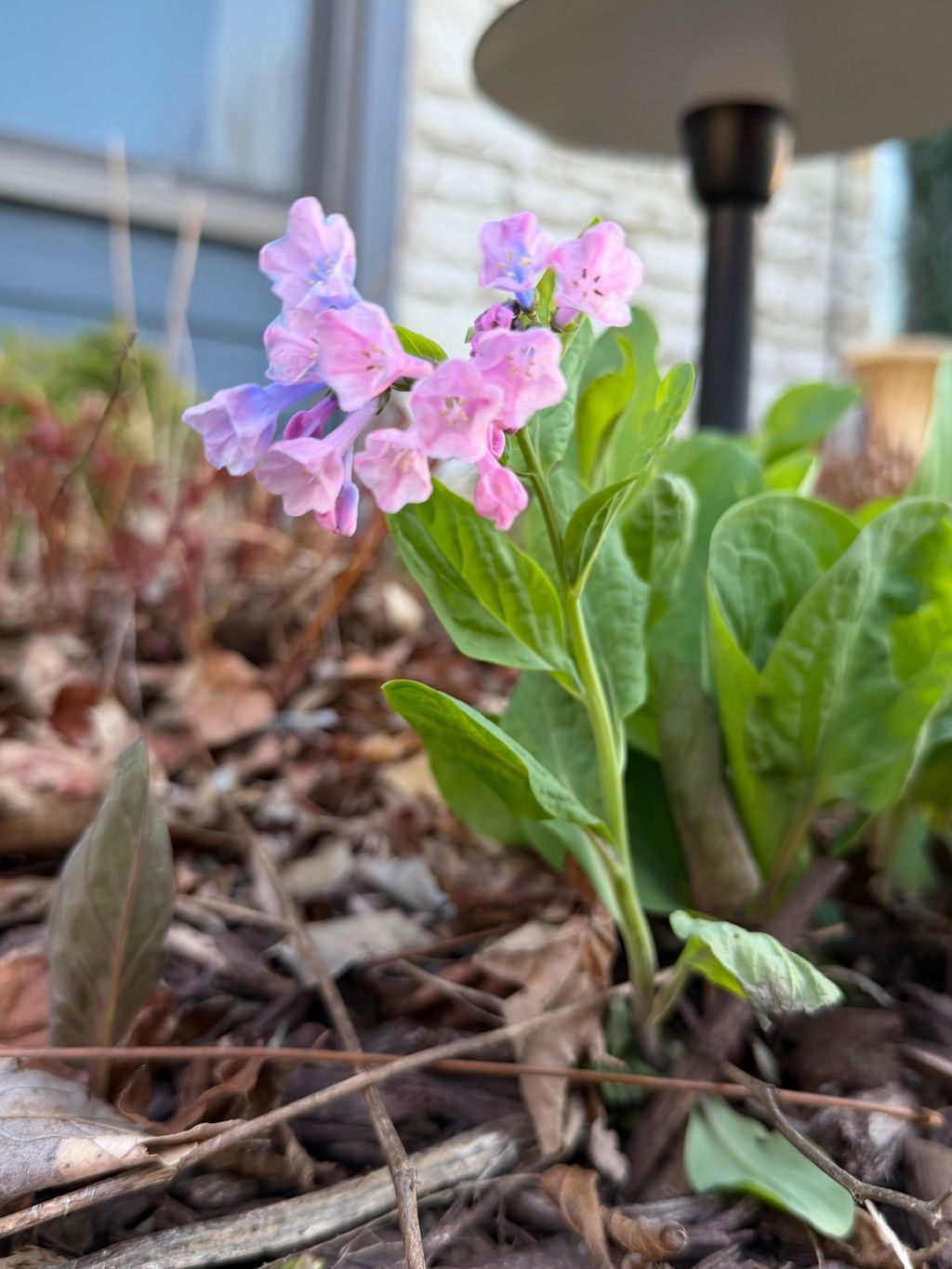
When the Virginia bluebell's leaves initially emerge, they are deep purple and fade into lush green. The growth of gently sloping flowers quickly follows the stems that erupt with pastel blooms.
These flowers begin as a soft pink, change to purple, and finally bloom into a gorgeous, powdery sky blue. Blue is the rarest color in nature – stun your friends when they visit! Some varieties may include white.
As spring ephemerals, Virginia Bluebell bloom in the springtime and then disappear for the rest of the season. Interplant with Solomon’s seal or ferns to reduce the empty spaces left behind when the leaves die back.

Customer Reviews
They were little tubers so I won't know till the spring if they'll come up
I ordered two plants of the buy one get one free bareroots and they gave me twice as many! Very sweet.
My Virginia Bluebell came healthy and is already showing buds. Can’t wait to see the full bloom this spring—it’s beautiful!
I love this plant! It looks fresh and strong, and I know the blue flowers will really brighten my shady spots.
My Bluebell arrived in excellent condition. Planted right away and it’s thriving. Definitely recommend for woodland gardens.
Do Virginia bluebells spread quickly?
Yes, Virginia bluebells spread quickly once established. They naturally multiply through self-seeding and underground rhizomes, creating lovely clusters of blooms each spring. Their easy growth makes them perfect for naturalizing woodland or shaded garden areas.
Do Virginia bluebells like sun or shade?
Virginia bluebells prefer partial to full shade for the best growth. They thrive in moist, rich soil that stays cool and damp. These easy-care wildflowers bloom beautifully in shaded woodland gardens each spring.
How tall do Virginia bluebells get?
Virginia bluebells typically grow 12 to 24 inches tall. Their graceful stems are topped with clusters of bell-shaped blue flowers that brighten shaded gardens. They create a soft, natural look and spread easily in woodland settings.
Exposure
Virginia Bluebells (Mertensia virginica) thrive in partial to full shade, making them ideal for woodland gardens. They prefer dappled sunlight but can tolerate early morning sun. Too much natural sunlight can push the leaves to wilt or scorch.
Height at Maturity
Under 12"
Usage
Shade Plant
Shipped As
Bare-root
Ships
USPS
Planting Zones
3-9
How To Grow
How to Grow and Care for Bare Root Perennials, Tubers, and Bulbs
Bare root perennials, tubers, and bulbs are an easy and economical way to jumpstart your garden with lasting beauty. These dormant plants should be planted in early spring or fall while the soil is cool and workable. Before planting, soak bare roots in water for 1–2 hours to rehydrate them. Choose a location based on the plant’s light needs—most flowering types prefer full sun, while others thrive in partial shade.
For bare root perennials, dig a shallow hole and spread the roots out naturally, ensuring the crown is level with the soil surface. For tubers and bulbs, plant with the pointed side facing up at a depth about two to three times their height. Cover with soil, gently press down, and water thoroughly.
Keep soil consistently moist (not soggy) until new growth appears. Add mulch to retain moisture and suppress weeds, but avoid covering the crown or bulb tops. Once established, these plants require little maintenance—just seasonal watering, occasional dividing, and deadheading or pruning as needed. With proper care, they’ll return and thrive year after year.