Pawpaw Tree Details
The Pawpaw Tree, known as Asimina triloba, is North America's largest native fruit tree, producing delicious, tropical-tasting fruit and supporting wildlife, pollinators, and healthy ecosystems. This rare fruit is almost never sold in stores, so the best way to enjoy it is to grow your own.
Let TN Nursery help you on your exotic and rare-plant journey into a world of new heights, with a pawpaw tree of your own to grow the delicious fruit that President Thomas Jefferson planted at his Monticello Estate and ate daily.
Plant young trees in the shade, and when they grow larger, they can withstand full sunlight. They thrive in rich mulch and do well in moist soil. Hardy in zones 5-8, making it a versatile tree for many locations.
Butterflies, especially the Zebra Swallowtail, flock to the tree in the spring and Summer seasons.
- Hardiness zones: USDA 5-8
- Mature size: 15-30 feet tall
- Light: partial shade when young, full sun to partial shade once established
- Soil: moist, rich, well-drained, slightly acidic
- Heights shipped: 1-2, 2-3, 3-4 or 4-5 feet
- Packs: Buy 1 Get 1 Free (two trees), 25 trees or 100 trees
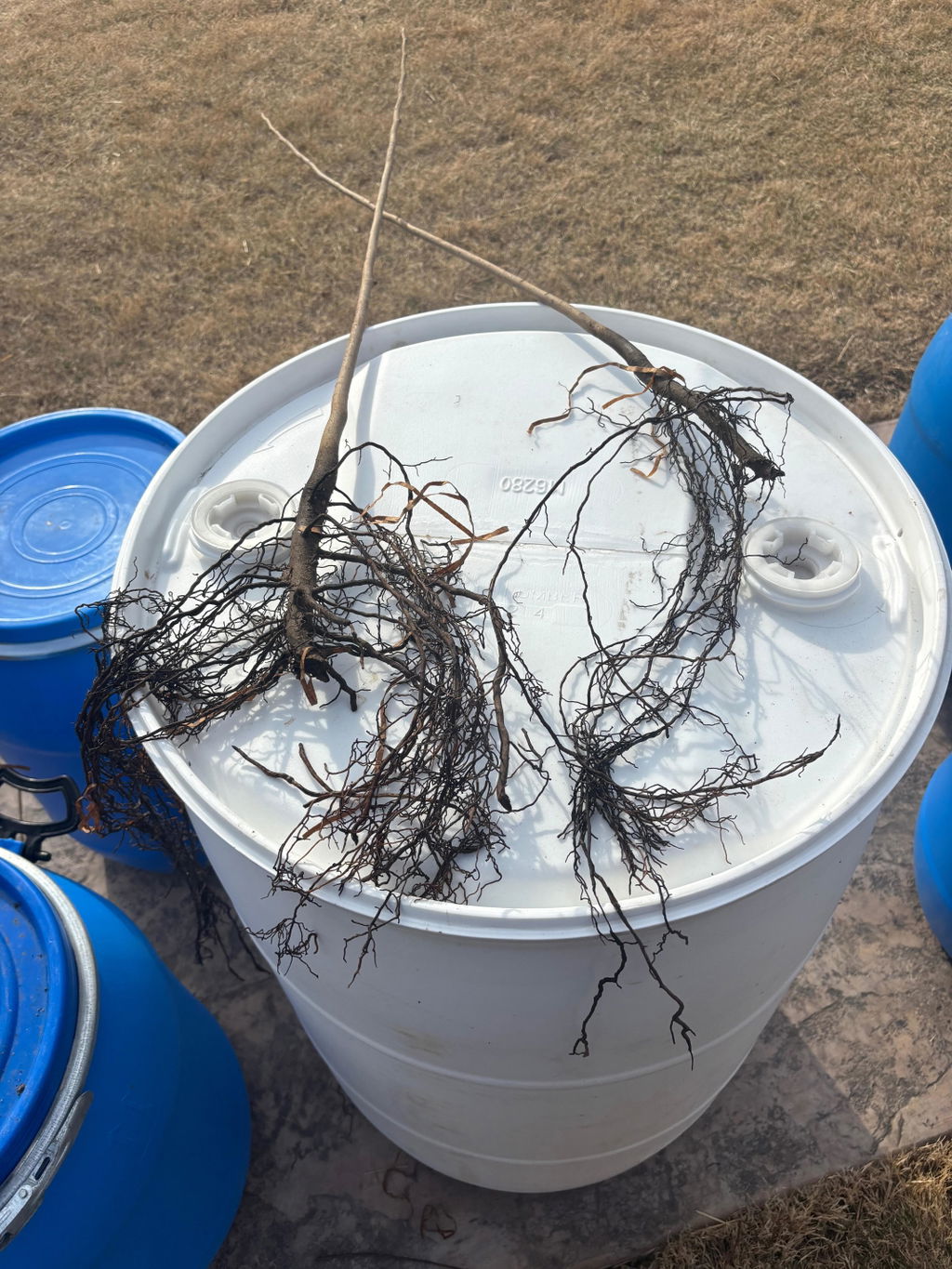
- Shipped as: bare-root, from our Tennessee nursery to gardens nationwide
Why Grow Pawpaw Trees?
Pawpaw gives you a true specialty fruit, a rare treat best enjoyed fresh from your own backyard. The tree is also the host plant of the Zebra Swallowtail butterfly, whose caterpillars feed on its leaves. Maroon flowers open in spring before the leaves appear, and the foliage turns butter yellow in fall. As a native understory tree, it asks little of you once it settles in.
What Soil Do Pawpaw Trees Need?
Pawpaw grows best in deep, fertile ground that stays evenly moist and drains well, like the creek bottoms and woodland edges where it grows wild. Loam is ideal. Working compost into the planting area gives it the rich, moisture-holding soil it loves.
How Does Pawpaw Grow and Where to Plant It?
Pawpaw spends its first year or two building a deep taproot, then grows with vigor. In the wild it forms lush little groves, so give it room to become a natural pawpaw patch. Choose a spot with morning sun and afternoon shade, or light shade under taller trees. Established trees in more sun bear more fruit.
Seed-grown pawpaws usually begin fruiting 4 to 8 years after planting, and the fruit ripens in late summer and early fall.
How to Plant Bare-Root Pawpaw Trees
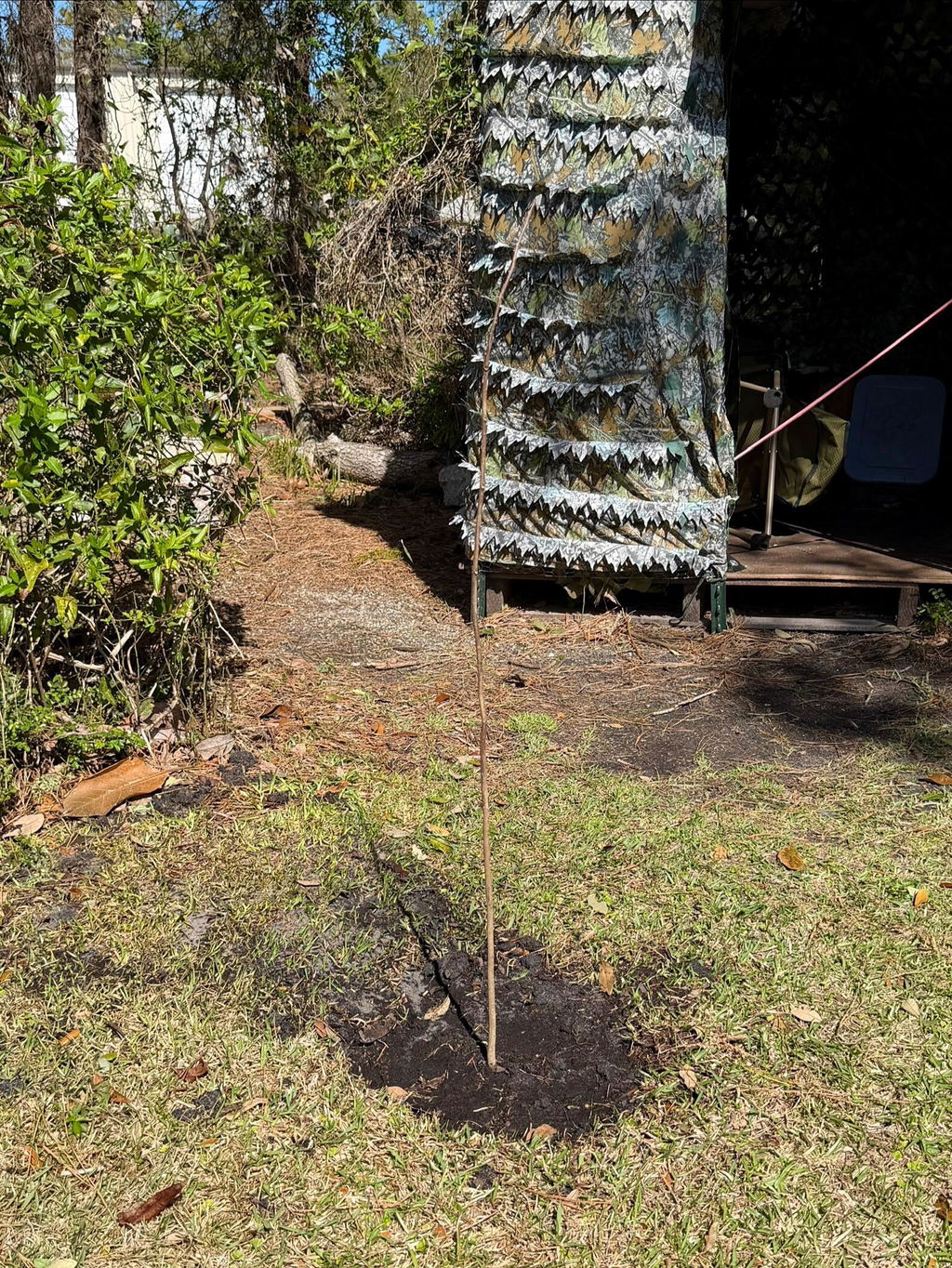
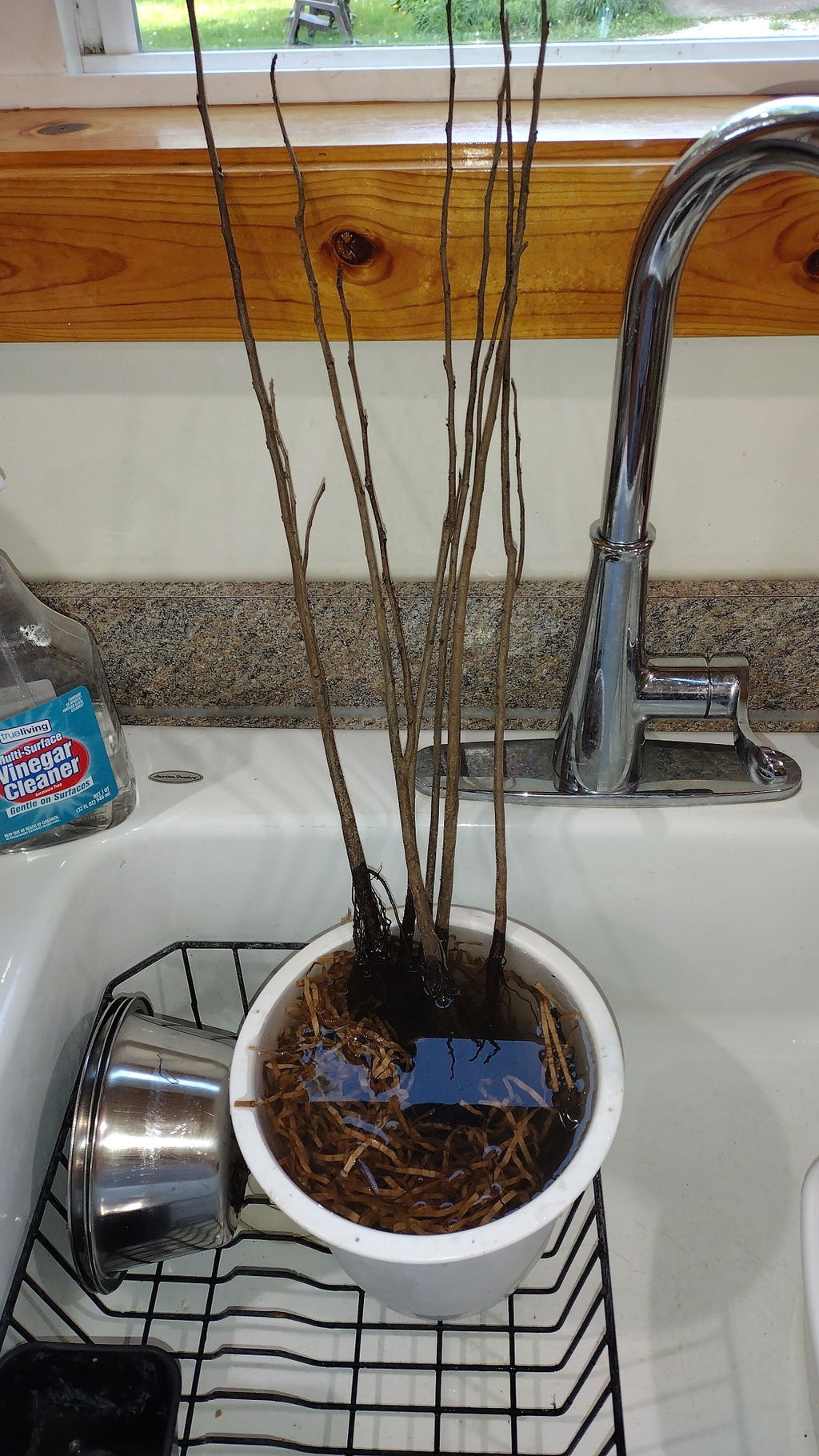
Plant while the tree is dormant, from November to April, as soon as you can after it arrives. Keep the roots damp until they go in the ground, and soak them in water for an hour before planting. Dig a hole deep and wide enough to hold the roots without bending the taproot. Set the tree at the depth it grew in the nursery, backfill with the soil you removed, and water well to settle it.
How Do You Care for Pawpaw Trees?
Water once a week through the first growing season whenever rain falls short. Keep 2 to 3 inches of mulch over the root zone, pulled back from the trunk. In a sunny spot, shade young trees for their first year or two with shade cloth or a board on a stake. Pawpaws need little pruning beyond removing dead or crossing branches.
Why Buy Pawpaw Trees From TN Nursery?
Pawpaw is our #1 selling tree and the one we know best. We grow over 2 million pawpaw trees in Tennessee from over 2 tons of seed each year, and our family sources pawpaw seed from every major seed source in the country. Many other nurseries buy their pawpaws from us wholesale. Across more than 160 customer reviews, the comments we hear most are that the trees arrive healthy, with strong roots, and carefully packed.
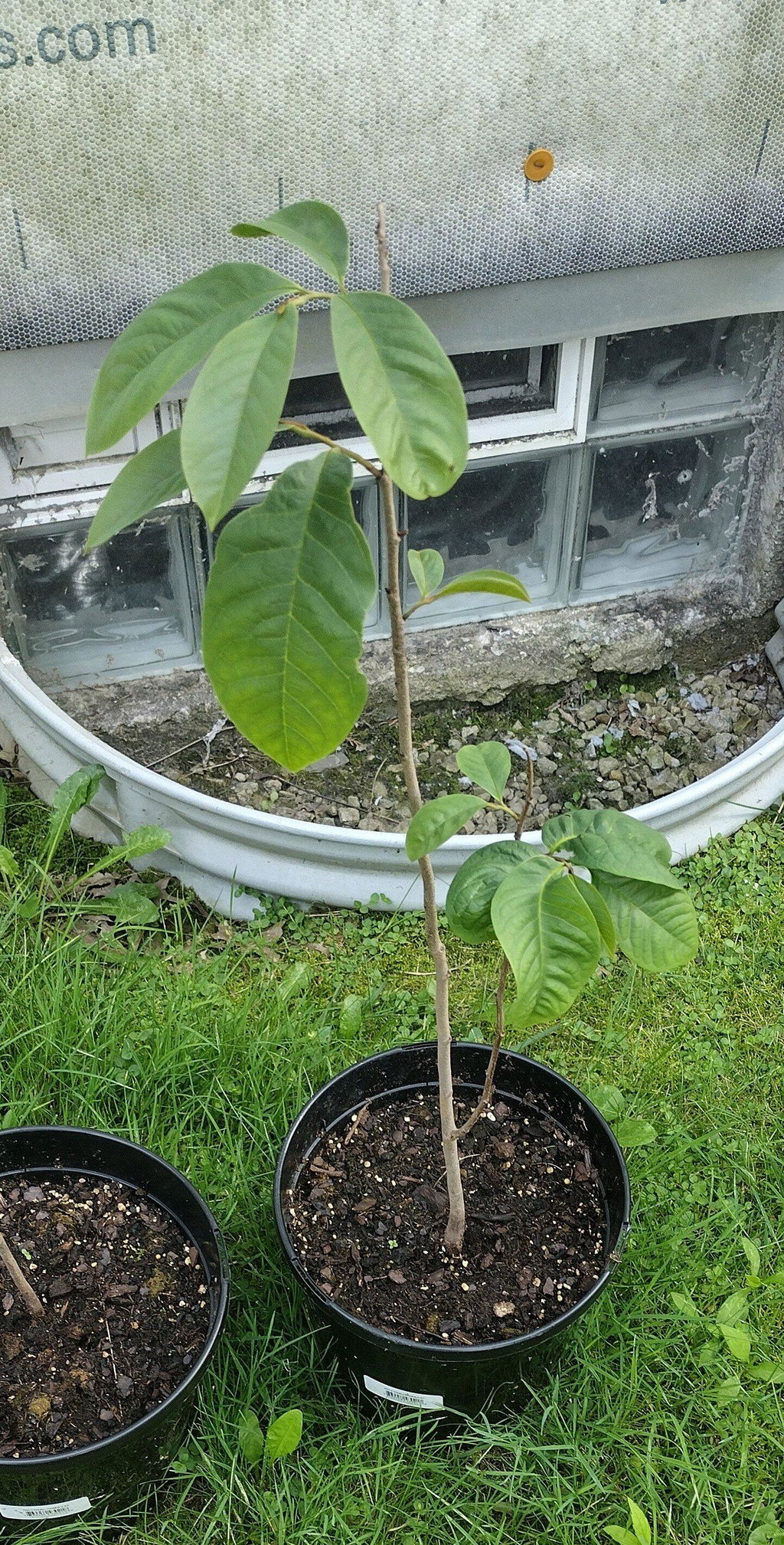
Buy 1 Get 1 Free sends you two trees in a single order. Planting on a larger scale? Our pawpaw seedlings come in packs of 100, from 6 to 24 inches tall. Would you rather plant from a pot? Try our 1-gallon potted pawpaw trees, 2 to 3 feet tall.
Our pawpaw trees come from a family nursery that has been growing in Tennessee since 1959, when Roscoe Tate started it all in Altamont.